What is a minor injury, and how can you tell it apart from a serious injury?
A minor injury is a mild injury without bone damage, serious ligament damage, or neurological impairment—such as a superficial bruise, a scrape, a small cut, or a mild Grade 1 sprain. Distinguishing it from a serious injury determines how it should be treated. Our sports wellness line offers recovery products tailored to everyday and sports-related injuries.
- Typical minor injuries: bruise (impact without a cut, superficial bruise) — graze (superficial loss of skin) — mild Grade 1 muscle strain (see our muscle strain page) — minor Grade 1 sprain — heals on its own within a few days to 2 weeks
- Signs indicating a serious injury (seek urgent medical attention): visible deformation of the limb, pain on direct palpation of the bone (possible fracture), total inability to bear weight, audible cracking at the time of the injury, significant swelling from the outset, neurological symptoms (tingling, weakness)
- The 48-hour rule: Any injury that does not improve significantly within 48 hours must be evaluated by a healthcare professional
- Children: An apparently minor injury may conceal a growth plate fracture not visible on a standard X-ray—seek medical attention if the child has persistent pain and localized tenderness
Immediate management of a minor injury
The first few hours determine the duration of recovery—a few simple steps significantly reduce swelling and pain.
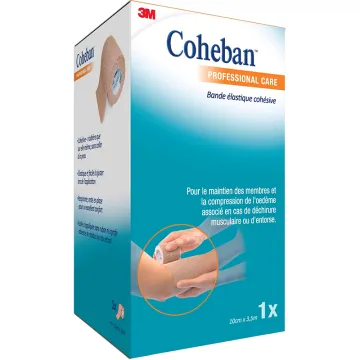
- POLICE Protocol: Protection (stop activity) → Optimal Loading (gentle movement starting on day 2) → Ice (15–20 min, never applied directly to the skin) → Compression (elastic bandage) → Elevation (raise the limb) — see our page on muscle injuries
- Cold for the first 48 hours: vasoconstriction → reduction of swelling and bruising — apply every 2–3 hours — never apply heat within the first 48 hours (this would worsen the swelling)
- Wounds and abrasions: Clean with running water and mild soap → non-alcohol-based antiseptic → sterile compress → appropriate bandage — monitor for signs of infection (redness, warmth, purulent discharge, fever)
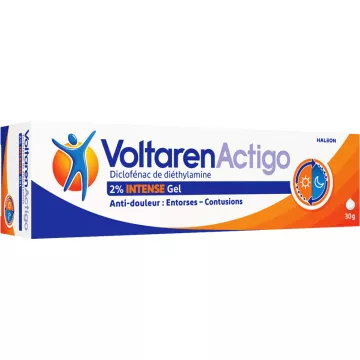
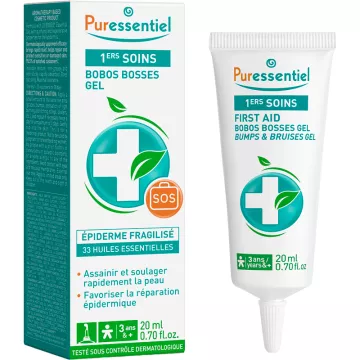
- Topical pain relievers: NSAID gel (ibuprofen, ketoprofen) on bruises or superficial hematomas — see our line of topical pain relievers
- Oral acetaminophen: first-line pain reliever for minor painful injuries — 500 mg to 1 g depending on weight
Natural remedies to support healing from minor injuries
Several natural active ingredients have a good level of evidence supporting their use for superficial injuries and minor bruises.
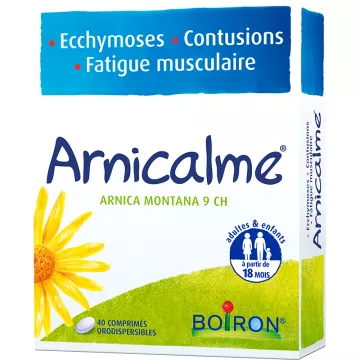
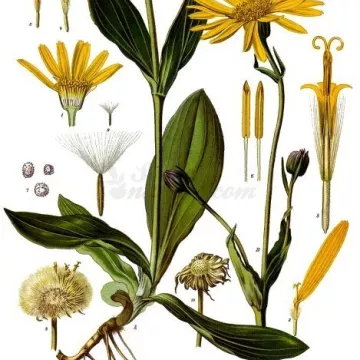
- Arnica montana (gel or cream): the gold standard for treating bruises and hematomas — apply starting on Day 1 around the affected area (never on an open wound) — stimulates the resorption of the hematoma and reduces local inflammation — do not apply to broken skin
- Aloe vera: soothing gel for scrapes and superficial burns—moisturizing and wound-healing properties—apply several times a day to clean skin
- Vitamin C: a cofactor in skin collagen synthesis—accelerates the healing of superficial wounds—500 mg/day during the healing phase
- Zinc: essential for epidermal healing — 10–15 mg/day — a deficiency slows skin healing
- Heat after Days 2–3: apply a heating pad for 15–20 minutes to relax tight muscles around the injury site—never before 48 hours
When to resume activity and how to prevent recurrence?
- Criteria for resuming activity: no pain on palpation, full range of motion, normal muscle strength — never resume activity “through the pain” for a minor injury (risk of worsening the condition)
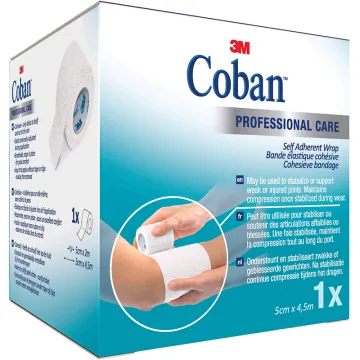
- Protecting the area during return to activity: cohesive support tape or an ankle brace for the first few sessions—reduces the risk of recurrence
- Prevention in sports: appropriate protective gear (knee pads, shin guards, elbow pads, gloves depending on the sport)—gradual warm-up for 10–15 minutes—appropriate playing surface and conditions
- Daily environment: non-slip surfaces, footwear appropriate for each activity, adequate lighting (to prevent falls among seniors)
- Home monitoring: Note daily changes—if pain increases after Day 1 or swelling progresses over 48 hours → seek medical attention immediately