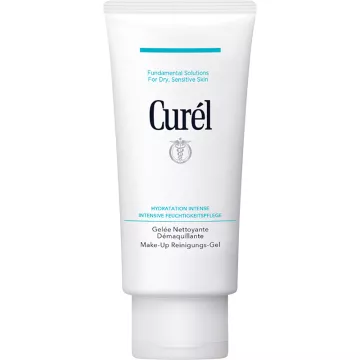
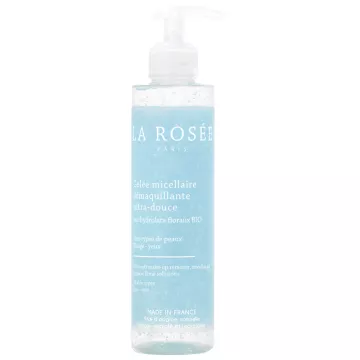
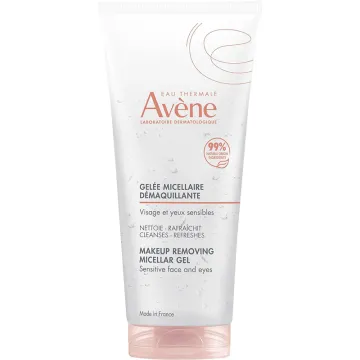
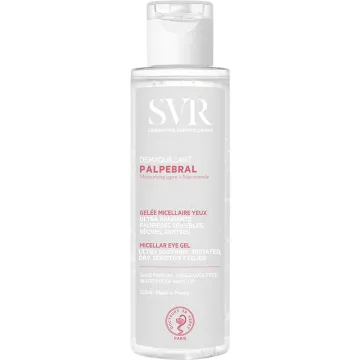
Micellar gel is a facial cleanser formulated with micelles—surfactant particles capable of capturing makeup, impurities, excess sebum, and pollution particles without irritating the skin.
Its gel-like texture makes it more comfortable to apply than traditional micellar water: it glides over the skin without running and provides an immediate feeling of freshness.
Highly popular in modern skincare routines, it cleanses the face while maintaining the skin’s natural balance, even on sensitive or reactive skin.
Discover our selection of facial makeup removers and face washes to complete your beauty routine.
Micellar gel is appealing for its sensorial texture and gentle daily use.
It effectively removes makeup residue, impurities, and excess oil while leaving the skin feeling supple and comfortable to the touch.
Formulas enriched with aloe vera, glycerin, or hyaluronic acid help maintain skin hydration and minimize tightness after cleansing.
Its texture, which is thicker than that of a traditional micellar water, is particularly suitable for dry, sensitive, or dehydrated skin in need of extra comfort.
The main difference between micellar gel and micellar water lies in their texture and sensory experience.
Micellar water has a fluid, lightweight texture, ideal for quick cleansing or daily express makeup removal.
Micellar gel has a more enveloping texture that provides greater comfort upon application and minimizes dripping down the face.
Thanks to its gentle, hydrating texture, it’s particularly suitable for sensitive skin or skin prone to discomfort; check out our selection offacial waters and lotions tailored to every skin type.
Apply a small amount of micellar gel to a reusable cotton pad, or directly with clean fingers to dry skin.
Gently massage your face, eyelids, and lips in circular motions to lift away impurities and makeup residue.
Some formulas are leave-on, while others require a light rinse with clean water; always follow the manufacturer’s instructions.
After cleansing, apply a serum or facial moisturizer suited to your skin type.
A high-quality micellar gel prioritizes gentle, moisturizing ingredients to maintain skin comfort.
Aloe vera soothes any stinging sensations and keeps the skin supple and comfortable during cleansing.
Glycerin and hyaluronic acid support skin hydration and help prevent post-cleansing dryness.
Plant extracts such as cucumber, chamomile, or rose water provide freshness and softness; look for formulas that are free of denatured alcohol and parabens and are dermatologically tested.
Micellar water is particularly well-suited for sensitive skin thanks to its gentle texture and formulas that are often enriched with soothing active ingredients.
Fragrance-free and denatured alcohol-free products cleanse the skin without compromising the already weakened skin barrier.
Skin prone to redness or tightness particularly benefits from its texture, which is more comfortable than that of a traditional micellar water.
Always perform a skin test on the inside of your elbow 48 hours before first use, especially if you have reactive or allergic skin.
Most micellar gels can be used on the eyes and lips to remove makeup without excessive rubbing.
For sensitive eyes or contact lens wearers, choose a formula that has been explicitly ophthalmologically tested by the manufacturer.
For very stubborn or long-lasting waterproof makeup, a makeup-removing oil or a two-phase makeup remover will be more effective as a first step.
Always avoid rubbing the area around your eyes too hard to prevent damaging the delicate skin there.
Micellar water can perfectly replace a traditional makeup remover thanks to its combined cleansing and makeup-removing action.
It effectively removes makeup residue, impurities, and excess sebum while leaving the skin feeling fresh and comfortable.
For long-wearing or waterproof makeup, using a makeup-removing oil as the first step effectively complements the cleansing process.
For a complete routine, you can then apply a facial serum tailored to your skin’s needs.
Micellar gels formulated with naturally derived ingredients appeal for their gentleness and minimalist approach to cleansing.
The no-rinse formulas also help reduce water consumption in your daily routine—an eco-friendly benefit that’s highly valued.
Many brands now prioritize recyclable or refillable packaging, as well as formulations that are gentler on sensitive skin and the environment.
Check for certifications (Ecocert, COSMOS, Cosmébio) that guarantee rigorous formulation standards.
Micellar gel is generally suitable for most skin types.
As with any cosmetic product, some people may have an individual reaction to a specific ingredient (fragrance, preservative, plant extract).
If you have very sensitive skin, test the product on a small area (the inside of your elbow) 48 hours before starting regular, widespread use.
If unusual irritation occurs (persistent redness, tingling, itching), discontinue use and consult a dermatologist.