How is magnesium absorbed in the intestine?
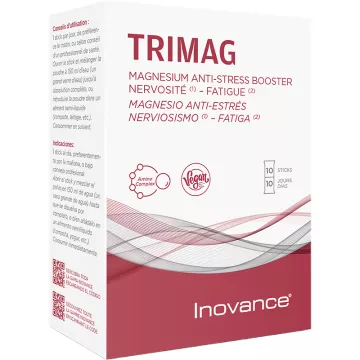
Magnesium absorption is a finely regulated process that depends on the chemical form ingested, intestinal transporters, digestive status, and the simultaneous intake of cofactors. Unlike calcium, magnesium does not have a single hormone dedicated to its regulation—it is primarily the kidneys that regulate urinary excretion. Understanding these mechanisms helps in choosing the most appropriate form of magnesium and optimizing its absorption. Magnesium supplements are available in several forms, including marine magnesium.
- Mechanisms of intestinal absorption: two main pathways in the jejunum and ileum—saturable active transport via TRPM6 and TRPM7 (magnesium ion channels) + passive paracellular transport (concentration gradient)—at low intestinal concentrations (< 1 mmol/L): the active pathway predominates and is saturable — at high concentrations (> 1–2 mmol/L): the paracellular pathway predominates and is non-saturable — practical implication: splitting doses increases total absorption
- Renal regulation: the kidney reabsorbs 95–97% of filtered magnesium — in cases of deficiency, tubular reabsorption is maximized (reducing losses)—in cases of excess, urinary excretion increases rapidly—chronic stress, diuretics, and a high-sugar diet increase urinary magnesium losses
- Proportion absorbed: Under normal conditions, 30–40% of dietary magnesium is absorbed—in cases of severe deficiency, absorption can reach 70–75% (adaptive regulation)—in cases of saturation or excess, it drops to 10–20%
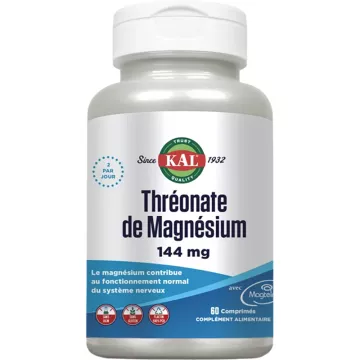
- Bioavailability by form: bisglycinate (70–80% — amino chelate transported via dipeptide/tripeptide transporters — not dependent on gastric pH, maximum absorption) — citrate (60–70% — soluble in acidic and slightly alkaline environments) — hydroxide (marine magnesium): 35–55% — oxide: 4–20% (poorly soluble, primarily osmotic/laxative) — chloride: 45–55% (highly soluble but acidifying)
- Assessment of magnesium status: serum magnesium levels (normal serum Mg²⁺: 0.75–0.95 mmol/L) are a poor reflection of tissue reserves because < 1% of the body’s total magnesium pool is in plasma — measurements of erythrocyte magnesium (intracellular) or urinary magnesium levels are more representative — a subclinical deficiency may exist even with normal serum magnesium levels
Factors that enhance magnesium absorption
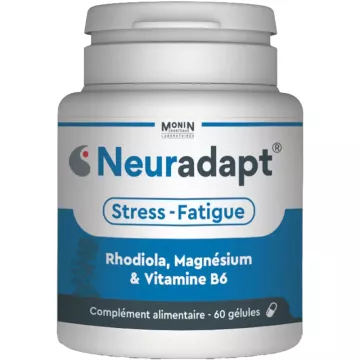
- Vitamin B6 —a key cofactor: the active form (pyridoxal-5-phosphate, P5P) facilitates the active transport of magnesium across the cell membrane—Mg-dependent kinases that activate B6 are themselves regulated by magnesium (synergistic loop)—the combination of magnesium and B6 is consistently more effective than magnesium alone in studies on stress and fatigue
- Vitamin D3: 1,25-dihydroxyvitamin D stimulates the expression of TRPM6 (the primary active magnesium transporter) in the intestine and kidney—a D3 deficiency therefore reduces the active absorption of magnesium—conversely, magnesium is essential for the activation of vitamin D3 (a cofactor for hepatic 25-hydroxylase and renal 1α-hydroxylase)—a magnesium deficiency compromises vitamin D3 activation even if intake is sufficient
- Adequate gastric acidity: inorganic forms (oxide, hydroxide, carbonate) require an acidic gastric pH to dissolve—PPIs (proton pump inhibitors) reduce gastric acidity → decreased absorption of inorganic magnesium—organic forms (bisglycinate, citrate, malate) are much less dependent on gastric pH
- Divide doses: above 300–400 mg per dose, the absorption pathway becomes saturated and the proportion absorbed decreases—dividing the daily dose into 2–3 doses with meals optimizes total absorption—taking doses in the evening promotes nighttime utilization of magnesium (relaxation + sleep)
- Magnesium-rich water: magnesium-rich mineral waters (Rozana 160 mg/L, Hépar 119 mg/L) provide magnesium in the form of dissolved salts (sulfate and/or chloride) — bioavailability of magnesium-rich mineral water: 40–60% — provides a consistent and well-tolerated contribution to daily intake
Factors that reduce absorption and increase losses
- Dietary inhibitors: phytates (phytic acid—wheat bran, unsoaked legumes, ungerminated grains) — form insoluble complexes with Mg²⁺ → precipitation and fecal excretion — reduce absorption by soaking (12 hours in lukewarm water) + germination + cooking — oxalates (spinach, rhubarb, cashews) — moderate effect on magnesium — tannins (strong tea, coffee) — mild chelation — tannins in wine — the impact remains modest if the diet is varied
- Medications that reduce magnesium levels: loop diuretics (furosemide, bumetanide) — significantly increase urinary magnesium loss — thiazide diuretics — lesser but still significant effect — PPIs (omeprazole, esomeprazole) — hypomagnesemia documented after > 3 months of treatment → monitor magnesium levels — antibiotics (cyclines, aminoglycosides) — tetracyclines form chelates with Mg → space doses 2–3 hours apart — digoxin — low Mg⁺ levels increase digoxin toxicity
- Gastrointestinal disorders and malabsorption: Crohn’s disease (inflammation of the ileum → reduced TRPM6 transporters) — celiac disease (villus atrophy → reduced absorption surface area) — surgical bowel resection (bypass of absorptive segments) — chronic diarrhea (accelerated transit → insufficient contact with the mucosa) — bariatric surgery (gastric bypass) — in all these situations, magnesium supplementation under medical supervision is often essential
- Chronic alcohol use: Alcohol increases urinary magnesium loss + reduces intestinal absorption + impairs the mobilization of hepatic reserves → magnesium deficiency is nearly universal in chronic alcoholism — it is one of the first supplements to be initiated
- Chronic stress and cortisol: activation of the sympathetic nervous system + cortisol secretion → increased urinary magnesium loss + intracellular redistribution → stress “consumes” magnesium — a vicious cycle: magnesium deficiency amplifies the stress response (NMDA receptors are less effectively buffered by Mg²⁺)—magnesium-based anti-stress supplements are particularly well-suited during periods of intense emotional stress
Practical strategies for optimizing daily absorption
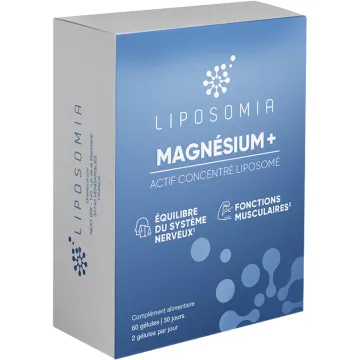
- Choose the right form based on your profile: sensitive or colicky intestines → bisglycinate (non-laxative, excellent tolerance) — for stress relief and sleep → 300–400 mg of bisglycinate in the evening — for energy and exercise → malate or citrate (cofactors in the Krebs cycle) — for constipation → citrate or oxide (osmotic effect) — limited budget and good tolerance → marine magnesium (hydroxide—good value for money)
- Optimal combination: magnesium + B6 (preferably P5P) — the go-to duo for intracellular absorption — magnesium + vitamin D3 — mutual synergy (each activates the other) — magnesium + taurine — an amino acid that improves cellular retention of magnesium — B-complex + magnesium — comprehensive fatigue/stress formulas available at pharmacies
- Daily magnesium intake: 30 g of almonds (80 mg Mg) + 50 g of 85% dark chocolate (114 mg Mg) + 1 serving of legumes (50–70 mg) + 1 L of Hépar water (119 mg) = ~380 mg/day without supplements — vary plant-based sources (whole grains, dark green vegetables, nuts and seeds) — sprout or soak legumes to reduce phytates and improve bioavailability
- Monitoring status: in cases of persistent fatigue, cramps, chronic stress, or use of high-risk medications (diuretics, PPIs) → laboratory workup (serum magnesium + 24-hour magnesium excretion + complete blood count) — a subclinical deficiency is possible even with normal serum magnesium levels — the clinical response to supplementation (improvement in fatigue and cramps within 3–4 weeks) is often the best practical indicator