
A temporary drop in energy is one of the most common reasons people seek advice at health food stores. Its most common causes fall into five categories:
The first step before taking any supplements is to identify the root cause—a simple blood test (complete blood count, ferritin, TSH, vitamins D3 and B12, fasting blood glucose) quickly guides treatment.
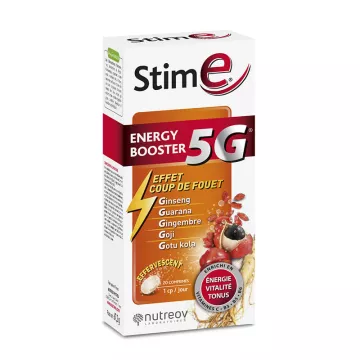
Stimol (citrulline malate, OTC medication, 18 10-ml ampoules) is particularly effective for energy drops related to physical exertion and muscle overexertion. Citrulline enhances the elimination of muscular ammonia (a waste product of protein catabolism responsible for muscle fatigue); malic acid stimulates the mitochondrial Krebs cycle and ATP production. Randomized studies confirm a significant reduction in perceived muscle fatigue and improved post-exercise recovery. Stim E Energy Booster 5G (citrulline + B vitamins + zinc, effervescent) combines these mechanisms with nutritional cofactors in a convenient format.
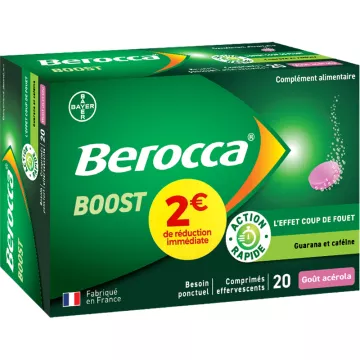
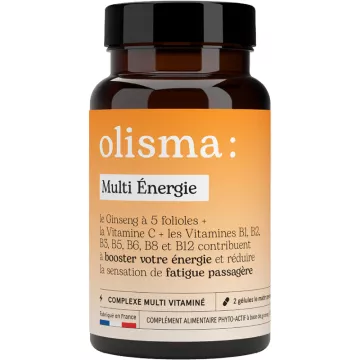
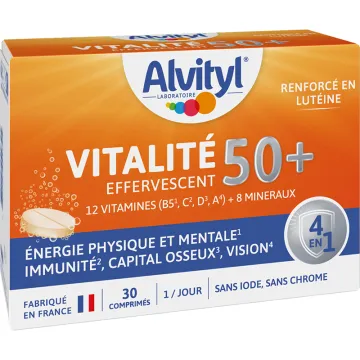
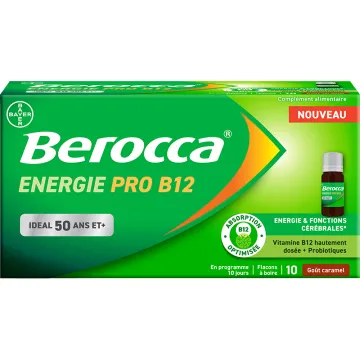
Energy declines after age 50 have a specific deficiency profile. Berocca Energy Pro B12 50+ (methylcobalamin B12 + B vitamins + vitamin C) targets B12 deficiency linked to the decline in gastric intrinsic factor—absorption gradually decreases after age 50, regardless of dietary intake. Alvityl Vitality Effervescent 50+ (vitamins B, C, D3, and E, plus zinc, magnesium, and selenium) addresses expanded micronutrient needs. Olisma Qiseng Multi Energy (ginseng extracts + quinsa + B vitamins) targets mental fatigue and the loss of cognitive alertness associated with declining energy levels in one’s fifties.
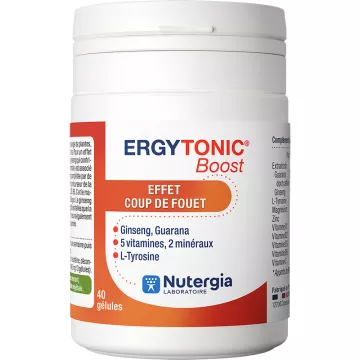
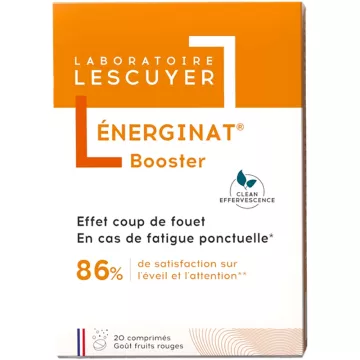
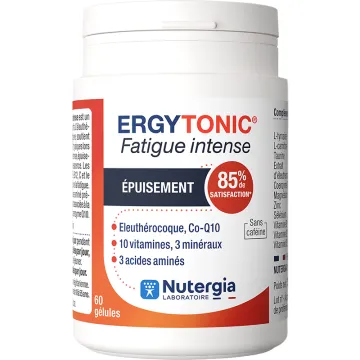
Nutergia ErgyTonic Boost (marine magnesium + ginseng + royal jelly + B vitamins) is optimized for occasional energy slumps requiring rapid recovery—with effects felt within 2 to 4 hours. For an immediate energy boost, Lescuyer Énerginat Booster and Santé Verte Toniphyt Boost offer convenient effervescent alternatives. Herbalgem Energem Bio (gemmotherapy complex + adaptogenic herbs, 30 ml) targets energy slumps linked to deeper exhaustion with an emotional component—its effects are gradual (2–3 weeks) but more structural. Fortigenor Concentration & Memory (Nutréov) specifically targets the cognitive aspect of energy slumps accompanied by concentration difficulties.
These three concepts differ clinically. Low energy is a subjective symptom of a lack of drive—it can be temporary (after a meal, in the late afternoon) or persistent. Muscle weakness is an objective reduction in muscle strength—it involves the muscles themselves (myoglobin, magnesium, iron). Chronic asthenia persists for more than 4–6 weeks without improvement with rest and impacts daily activities. A loss of energy following a recent infection falls under the category of post-infectious asthenia —which requires a different recovery protocol.
An isolated episode of low energy that responds to simple nutritional adjustments (hydration, balanced meals, sleep) does not require a medical consultation. However, a medical consultation is necessary if: the low energy persists for more than 3 weeks despite proper nutritional management, or if it is accompanied by unintentional weight loss, night sweats, an increased or decreased heart rate, new sensitivity to cold, intense thirst, or a change in urinary frequency. These signs may indicate hypothyroidism, early-stage diabetes, anemia, or another condition requiring specific treatment. The pharmacist is the first point of contact to help determine whether self-medication is appropriate or if a medical consultation is needed.