What is a liver cleanser, and what is it used for?
A liver cleanser refers to any substance—whether a plant, dietary supplement, or food—that supports the liver’s ability to neutralize and eliminate toxins, stimulates bile production or excretion, and protects liver cells from oxidative or inflammatory damage. The liver performs more than 500 biological functions, including the detoxification of medications, alcohol, pollutants, and metabolic waste. A overburdened or weakened liver manifests as persistent fatigue, difficulty digesting fats, a dull complexion, and hypersensitivity to medications and alcohol. These signs warrant paying special attention to liver health, under medical supervision.
Which plants are the most well-documented liver cleansers?
Herbal medicine for liver health is supported by a solid body of scientific evidence for several plants:
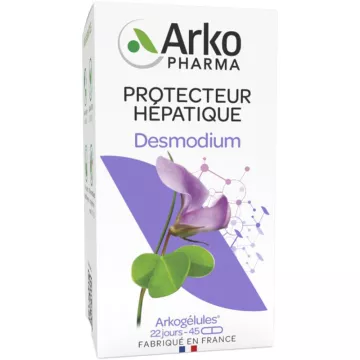
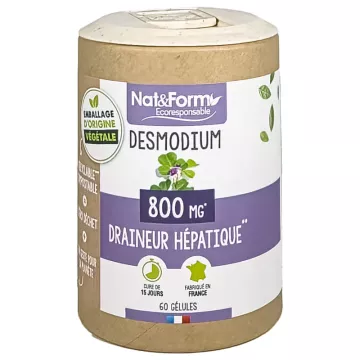
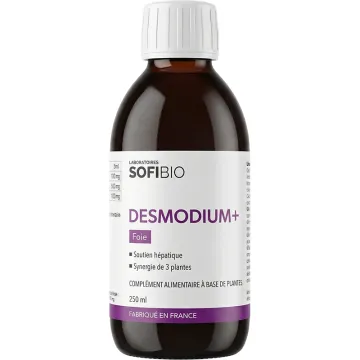
- Desmodium (Desmodium adscendens): a major hepatoprotective agent, used in West Africa for generations. Studies show its ability to normalize elevated transaminase levels and protect liver cells against toxic agents, particularly during chemotherapy or heavy antibiotic treatments.
- Fumitory: traditionally used to stimulate bile secretion and aid in the digestion of fats, with a favorable safety profile when used in short courses of treatment.
- Boldo: rich in boldine, a powerful hepatic antioxidant with choleretic (bile-stimulating) and hepatoprotective properties.
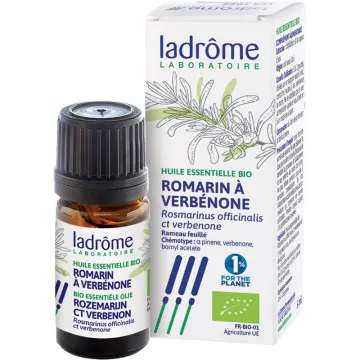
- Rosemary: Its phenolic compounds (rosmarinic acid, carnosol) protect the liver from oxidative stress, stimulate hepatic lipolysis, and support detoxification enzymes.
These herbs are used in short courses of treatment (3 to 4 weeks), under medical supervision in cases of liver disease, pregnancy, or medication use. They are often combined in synergistic formulas to target multiple mechanisms of action simultaneously.
How can you optimize the effects of liver cleansers?
Liver-cleansing herbs yield better results when used as part of a holistic approach:
- Drastically reduce or eliminate alcohol, the primary cause of liver damage.
- Increase your intake of cruciferous vegetables (broccoli, cabbage, arugula), which activate phase II detoxification enzymes.
- Consume omega-3s to limit fatty liver disease and liver inflammation.
- Stay sufficiently hydrated to facilitate the renal excretion of water-soluble metabolites produced by liver detoxification.
Vitamin B6 supplementation supports hepatic transamination reactions, and ginger enhances the anti-inflammatory action of hepatoprotective herbs.
What are the contraindications for liver cleansers?
Despite their natural origin, liver cleansers are not harmless:
- Pregnancy and breastfeeding: most are contraindicated (boldo, fumitory, rosemary in high doses).
- Severe liver disease (hepatitis, cirrhosis, liver failure): the liver cannot properly process the active compounds—risk of worsening the condition.
- Treatment with anticoagulants, immunosuppressants, or chemotherapy: possible interactions with cytochrome P450 enzymes.
- Known gallstones: Herbs that stimulate bile production may trigger an attack.
If in doubt, a preliminary liver function test (transaminases, GGT, bilirubin) can help assess the situation and adjust the treatment regimen.
How to choose and use a liver-cleansing supplement?
The choice depends on the individual’s profile and goals:
- Mild liver overload after alcohol or medications: milk thistle or desmodium as a short-term treatment.
- Difficult digestion of fatty foods: boldo or fumitory to stimulate bile production.
- Prevention and antioxidant support: a combination of rosemary, turmeric, and artichoke.
- Documented liver disease: desmodium under medical supervision with regular checkups.
Ginger can complement these formulas with its anti-inflammatory and digestive properties. A standard treatment course lasts 3 to 6 weeks and should be repeated based on lab results and symptoms.