What is a liquid vitamin, and why is it better absorbed?
Liquid vitamins are supplements in which vitamins are dissolved or dispersed in a liquid base (water, oil, vegetable alcohol) rather than compressed into tablets or encapsulated. Their main advantage is faster absorption: unlike tablets, a liquid does not need to break down in the stomach before being absorbed. Discover our B vitamins, vitamin C, and vitamin D in their most bioavailable liquid forms.
- No need for dissolution: a tablet must first dissolve in the stomach (10–30 minutes) before its nutrients are available for absorption—a liquid vitamin moves directly to the intestinal absorption stage, resulting in a faster peak blood level
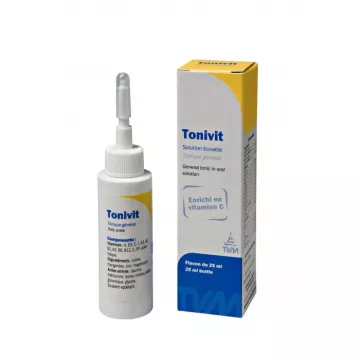
- Water-soluble vitamins in aqueous solution (B1, B2, B3, B5, B6, B9, B12, C): dissolved in water, directly absorbed by enterocytes via their specific transporters—ideal in the form of drops, ampoules, or oral solutions
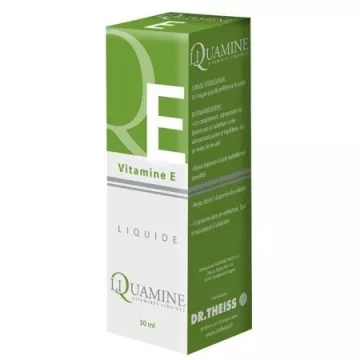
- Fat-soluble vitamins in oil (A, D3, E, K2): dissolved in a high-quality vegetable oil (MCT, sunflower, olive) → optimal absorption with a fatty meal without needing to take them separately—oil drops taken directly under the tongue or mixed into yogurt
- Liposomal vitamins: advanced technology—the vitamin is encapsulated in liposomes (lipid vesicles) → protected from gastric juices → released directly into the enterocytes → bioavailability up to 4–6 times higher than standard forms — particularly suitable for liposomal vitamin C (high doses without digestive upset)
- Sublingual absorption: certain liquid vitamins (B12 as methylcobalamin, D3 in oil) are designed to be held under the tongue for 1–2 minutes → direct absorption via sublingual capillaries → completely bypasses gastric and hepatic digestion
Populations that benefit most from liquid vitamins
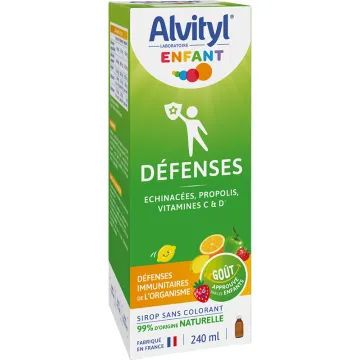
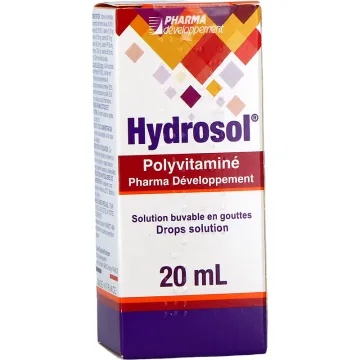
- Infants and young children: unable to swallow tablets—liquid vitamins in measured drops (vitamin D3, vitamin K, pediatric multivitamins) — precise dosing by milliliter — natural flavors for better acceptance — pediatric forms of vitamin D3 (Zymad, Adrigyl) in drops
- Older adults: frequent dysphagia (difficulty swallowing)—dry mouth—reduced stomach acidity (decreased absorption of solid forms)—liquid vitamins overcome these obstacles — Sublingual B12 is particularly suitable in cases of intrinsic factor deficiency
- People who have undergone bariatric surgery: reduced stomach size + duodenal bypass → significantly reduced absorption of tablets → liquid or sublingual vitamins are essential for B12, D3, iron, and zinc
- People with digestive disorders: Crohn’s disease, irritable bowel syndrome, malabsorption → liquid and liposomal forms allow for partial bypass of damaged intestinal areas
- Athletes and rapid recovery: Liquid forms provide a faster absorption peak, useful for pre- or post-workout supplements (magnesium, electrolytes, B-complex) — check out our liquid magnesium and omega-3 formulas in our sports lines
Choosing, Using, and Storing Liquid Vitamins
- Quality criteria: active ingredient concentration clearly indicated (mg or IU per dose) — bioavailable form (methylcobalamin for B12, cholecalciferol for D3, L-ascorbate for C) — free of artificial colors and flavors — free of harsh preservatives (parabens, benzoate) — high-quality MCT or virgin oil for fat-soluble forms
- Dosage and Use: Always use the provided pipette or dropper for precise dosing — fat-soluble vitamins (D3, A, E, K2) → take with a meal containing fat or with yogurt — water-soluble vitamins (B, C) → take with a large glass of water — sublingual tablets → hold under the tongue for 60–90 seconds before swallowing
- Storage: Liquid vitamins are more susceptible to oxidation and contamination than solid forms — shelf life after opening is often 1–3 months (vs. 2–3 years for tablets) — Store in the refrigerator after opening for most aqueous formulations — protect from light (UV light degrades vitamins A, D, B2, and C) — do not store in the bathroom (humidity + heat)
- Safety during pregnancy and breastfeeding: Liquid vitamins can be used during pregnancy and breastfeeding — choose alcohol-free formulas (some extraction solvents contain alcohol) — Always confirm dosages with a doctor or midwife — liquid prenatal formulas are available (B9 + D3 + iron + iodine)
- Drug interactions: Same as solid forms — liquid vitamin K2 → monitor INR in patients on anticoagulants — high-dose liquid vitamin C → space out platinum-based chemotherapy treatments — always inform your pharmacist about your supplements when picking up prescriptions
Most Commonly Used Liquid Vitamins and Their Indications
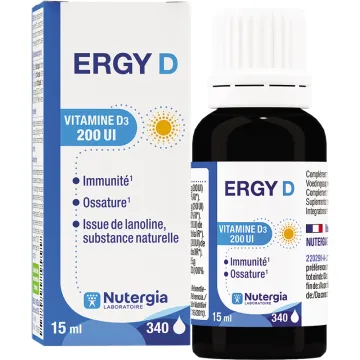
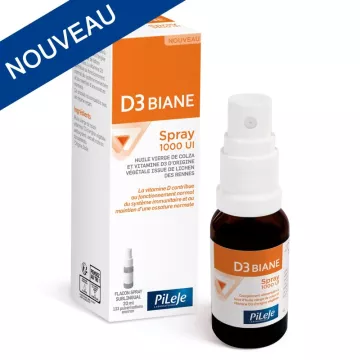
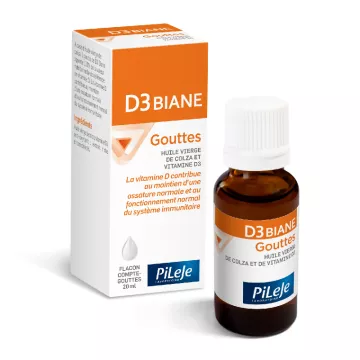
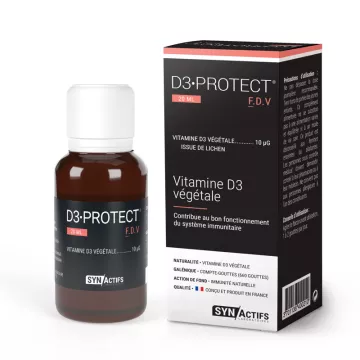
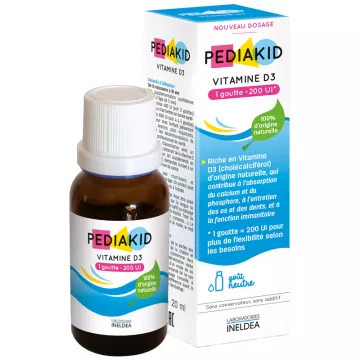
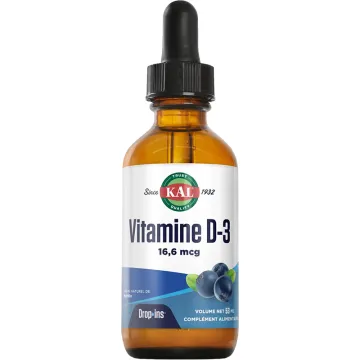
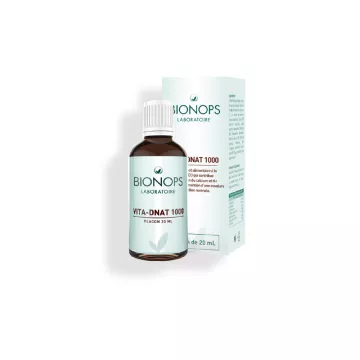
- Liquid vitamin D3 (oil-based drops): the standard form for infants and the elderly — optimal absorption with a fatty meal — 1 drop = 200–1,000 IU depending on the formulation — store in the refrigerator after opening — explore our vitamin D lineup
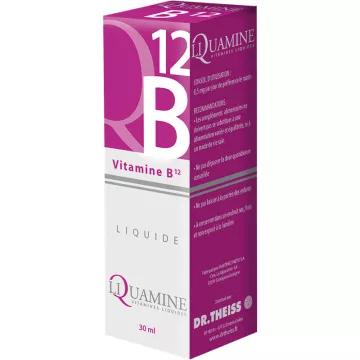
- Sublingual Vitamin B12 (methylcobalamin): bypasses intrinsic factor deficiency (Biermer’s anemia, older adults) — as effective as intramuscular injections according to recent studies — B12 oral spray or sublingual melt tablet
- Liposomal Vitamin C: high doses (1,000–2,000 mg) without causing osmotic diarrhea — higher bioavailability than effervescent forms — ideal for infections, intense oxidative stress, or athletes — see our Vitamin C line
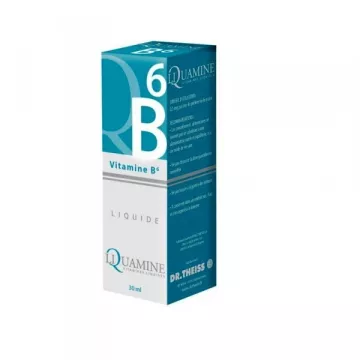
- Liquid B-complex: complete formula containing B1, B2, B3, B5, B6, B8, B9, and B12 in an aqueous solution—rapid absorption + adjustable dosage—convenient for people who cannot tolerate capsules—take in the morning with a glass of water
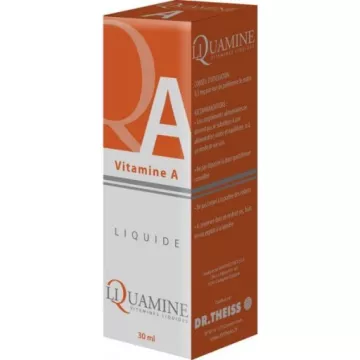
- Vitamins A, E, and K2 in oil: stable in an oil-based solution — K2 MK-7 in sunflower oil drops = the most bioavailable form — take with a meal containing fats — important when taken with D3 to direct calcium to the bones