0
Menu

What lip products are available, and how do you choose them?

Filter
Number of products : 22
Sort
Sort
Close
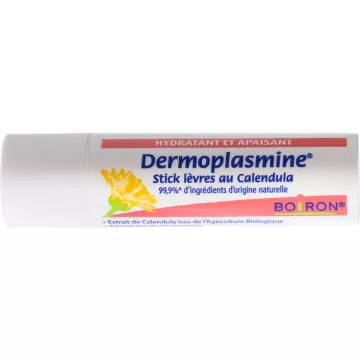
Dermoplasmine (Homéostick) Calendula Lip Balm Dermoplasmine (Homéostick) Calendula Lip Balm
1 box Set of 2 boxes
€3.99
Add to cart
In stock - preparation within 1 to 2 working days
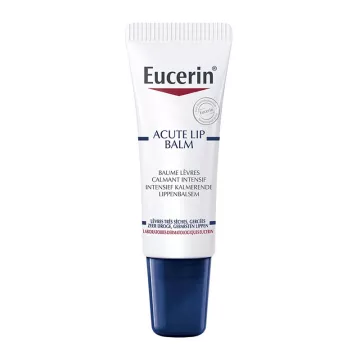
Eucerin Soothing Lip Balm 10 ml Eucerin Soothing Lip Balm 10 ml
€7.90
Shipped within 24h
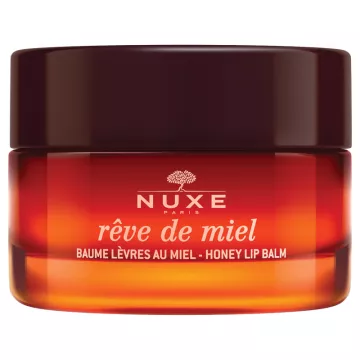
Nuxe Rêve de Miel Honey Lip Balm -€1.00 Nuxe Rêve de Miel Honey Lip Balm
€9.90 €10.90
Shipped within 24h
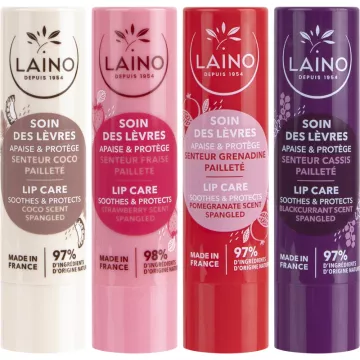
Laino Glitter Lip Balm 4g -€0.69 Laino Glitter Lip Balm 4g
Strawberry Grenadine +
€2.21 €2.90
Add to cart
Shipped within 24h
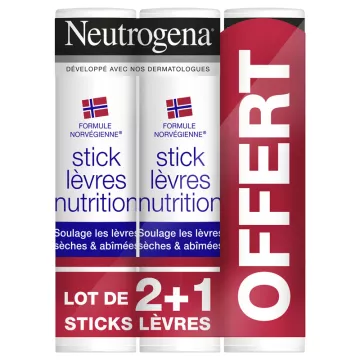
Neutrogena Lip Balm, 2-Pack + 1 Free Neutrogena Lip Balm, 2-Pack + 1 Free
€8.49
Shipped within 24h
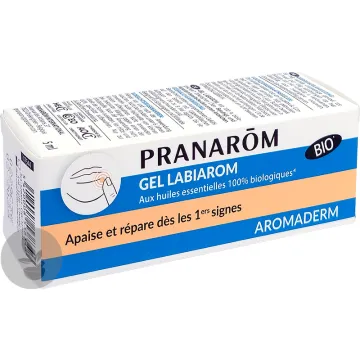
Aromaderm Labiarom Lip Gel 5 ml Aromaderm Labiarom Lip Gel 5 ml
€6.40
Shipped within 24h
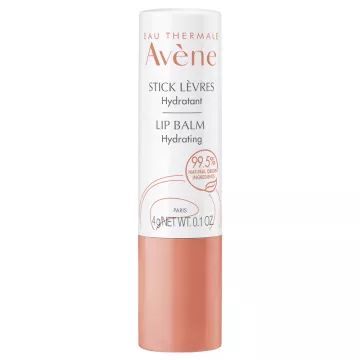
Avène Essentiels Moisturizing Lip Balm Avène Essentiels Moisturizing Lip Balm
1 unit Pack of 2
€3.90
Add to cart
Shipped within 24h
Cicaplast Lip Repairing Barrier Balm 7.5 ml La Roche-Posay Cicaplast Lip Repairing Barrier Balm 7.5 ml La Roche-Posay
€6.90
Shipped within 24h
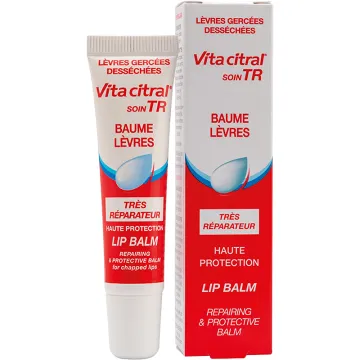
Vita-Citral Soin TR Lip Balm 15 ml Vita-Citral Soin TR Lip Balm 15 ml
€5.95
Shipped within 24h
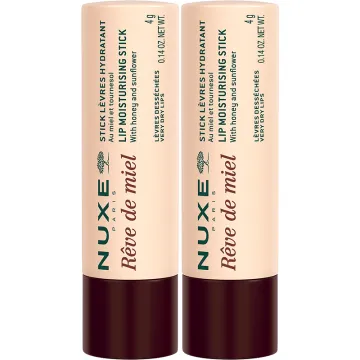
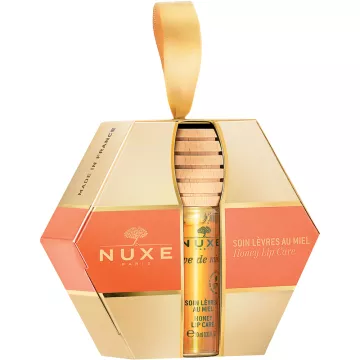
Nuxe Coffret Rêve de Miel Soin Lèvres au Miel -€1.50 Nuxe Coffret Rêve de Miel Soin Lèvres au Miel
€15.40 €16.90
Shipped within 24h
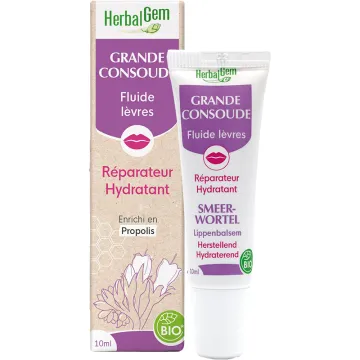
Herbalgem Repairing and Moisturizing Lip Balm with Comfrey 10 ml Herbalgem Repairing and Moisturizing Lip Balm with Comfrey 10 ml
€5.95
Shipped within 24h
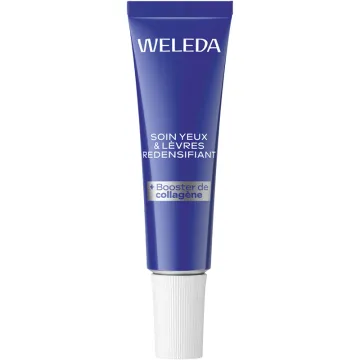
Weleda Gentian Organic Densifying Eye and Lip Care 10 ml -€4.00 Weleda Gentian Organic Densifying Eye and Lip Care 10 ml
€21.90 €25.90
Shipped within 24h
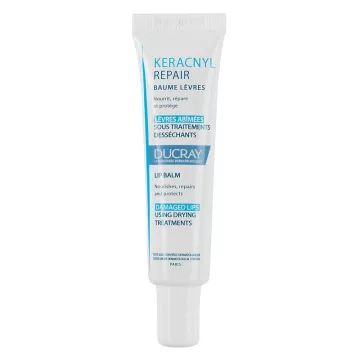
Keracnyl Repair Lip Balm Ducray 15 ml -€2.00 Keracnyl Repair Lip Balm Ducray 15 ml
€6.99 €8.99
Shipped within 24h
Filorga Nutri Filler Lips Lip Balm 4 g Filorga Nutri Filler Lips Lip Balm 4 g
€24.90
Shipped within 24h
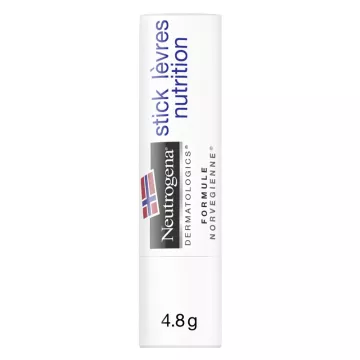
Neutrogena Lip Balm Stick, 4.8 g Neutrogena Lip Balm Stick, 4.8 g
€4.49
Shipped within 24h

Which lip care products should you choose, and why?

The lip care market offers a wide variety of formats and formulations—lip balms in sticks, jars, and tubes, lip serums, overnight masks, and scrubs. Not all of them are created equal. The selection criteria go beyond texture or packaging: what matters is the ingredients, how the active ingredients work, and whether the product meets your actual needs. Dry lips need powerful occlusives, chapped lips need healing ingredients, and lips exposed to the sun need an effective SPF. The store also carries dedicated lines for chapped lips and lip contour care.

A good lip care product combines at least three types of active ingredients: an occlusive (beeswax, shea butter, petroleum jelly) that forms a protective film and prevents water from evaporating; an emollient (jojoba oil, coconut oil, sweet almond oil) that softens and nourishes the mucous membrane, and an active moisturizer (glycerin, hyaluronic acid) that draws water into the cells. This triple combination is consistently more effective than single-active-ingredient formulas.

  • Daily moisturizing balms: lightweight formulas with beeswax + vegetable oil + glycerin—to be worn during the day—reapply after every meal
  • Intensive repair treatments: rich formulas with petroleum jelly, shea butter, or panthenol —for very dry or chapped lips—ideal for use in the evening and at night
  • Balm with SPF: essential as soon as you’re exposed to the sun—SPF 30 minimum—mineral filters (zinc oxide) are preferable for the lips due to their biological inertness—reapply every 2 hours and after every meal or drink
  • Serums and overnight masks: formulas enriched with hyaluronic acid, peptides, and vitamin E —target aging and loss of volume—lips are exposed to the active ingredients for an extended period while you sleep

What ingredients should be avoided in lip care products?

Certain ingredients commonly found in lip balms actually worsen dryness in the long term, even though they seem to provide short-term relief. Menthol and camphor provide an immediate cooling sensation but activate cold-sensitive nerve receptors without providing true hydration—resulting in lips that require more and more frequent applications. This phenomenon is sometimes called “lip balm dependency”—which isn’t a true physiological dependency but rather a cycle of discomfort perpetuated by unsuitable formulas.

Irritating fragrances and essential oils (cinnamon, clove, citrus) frequently cause perioral contact dermatitis—an allergic reaction characterized by redness, itching, and swelling around the mouth. If an allergy to a product is suspected, use should be stopped immediately, and a dermatology consultation will help identify the allergen through a patch test.

  • Always avoid: menthol, camphor, alcohol (drying agents), phenol, methyl salicylate (irritants), and synthetic fragrances and dyes (common allergens)
  • Special note on tinted balms: They can offer the same moisturizing benefits as a clear balm if their base formulation is solid—check that the color comes from mineral pigments (iron oxides, titanium dioxide) rather than potentially irritating synthetic dyes
  • Trusted certifications: COSMOS Organic, Ecocert, dermatologically tested, “hypoallergenic”—these labels reduce the risk of ingredients that can be problematic for sensitive lips

What daily routine should you follow for healthy lips?

An effective lip care routine is simple and consists of three steps. In the morning: Apply a moisturizing treatment with SPF if you plan to be in the sun, or a light balm on a typical day. Before bed: apply a generous layer of a rich, restorative lip treatment—nighttime is when the lip tissue regenerates and active ingredients penetrate without being washed away by food or drinks. Once a week: gently exfoliate to remove dead skin cells and improve product absorption—a mixture of fine sugar and honey, massaged gently for 30 seconds, works perfectly.

  • The difference between lip balms and lip moisturizers: balms rely on occlusion (heavy waxes that seal in moisture on the surface)—lip moisturizers rely on penetration (hyaluronic acid, aloe vera, glycerin, which deeply hydrate)—the most comprehensive formulas combine both by using light waxes + hydrating active ingredients
  • Complementary natural remedies: honey (antibacterial and a natural humectant; leave on for 5 minutes) — aloe vera gel (soothing and healing) — sweet almond oil (emollient, rich in unsaturated fatty acids) — these homemade remedies are effective as a supplement to a regular routine
  • Hydration from the inside: drink enough water, and ensure your diet is balanced with essential fatty acids (omega-3s from fatty fish) and vitamin E — lips that remain chronically dry despite treatment often indicate an overall nutritional or hydration deficiency