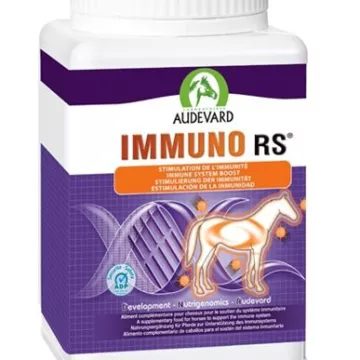
Horse care encompasses four major areas: joint and musculoskeletal health (essential for sport and working horses), nutrition and supplementation (vitamins, minerals, amino acids), immunity and resistance to infections (particularly during cold weather or after intense exercise), and behavioral well-being (stress management and stereotypies). The quality of daily care—grooming, hoof cleaning, and monitoring body condition and behavior—forms the foundation of the horse’s overall health. Targeted supplementation is particularly useful for strengthening the immune system during seasonal transitions or after an infectious episode.
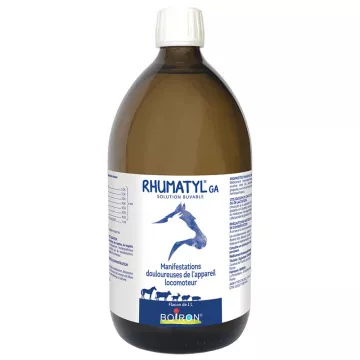
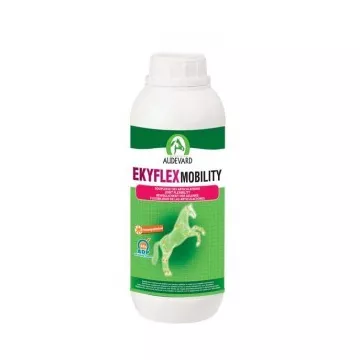
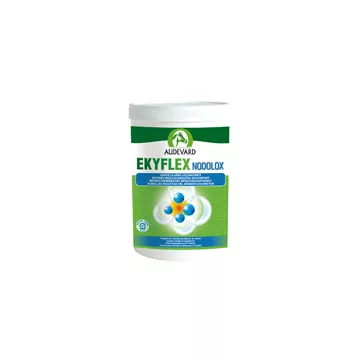
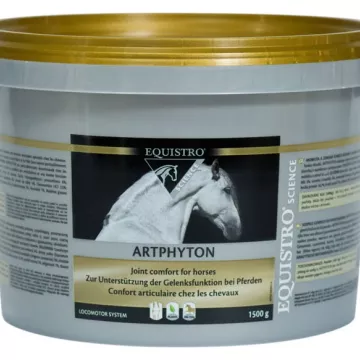
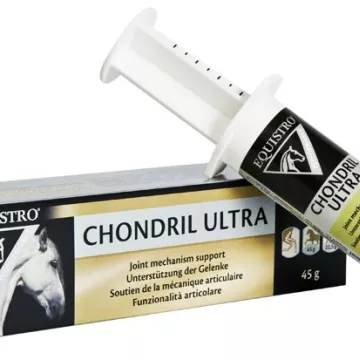
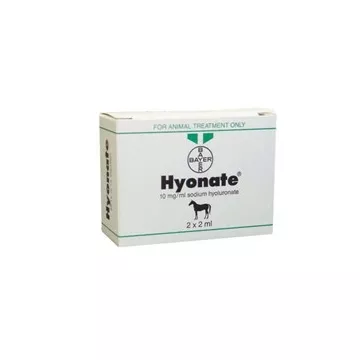
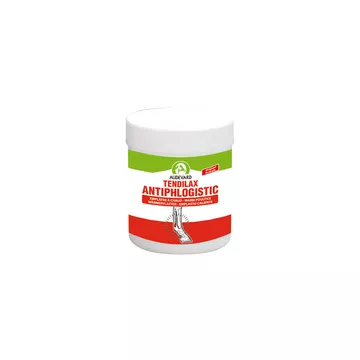
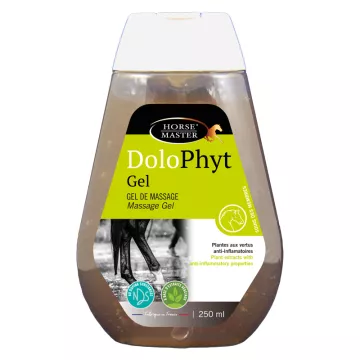
Joint health is the top priority for sport, recreational, and working horses. The main natural solutions are:
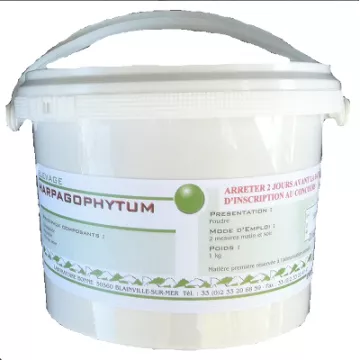
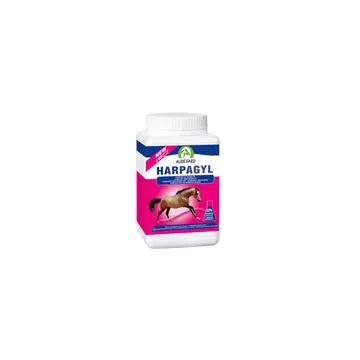
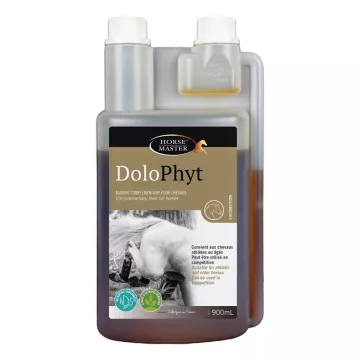
Harpagophytum is the most extensively studied plant in equine medicine for chronic joint conditions and lameness of inflammatory origin.
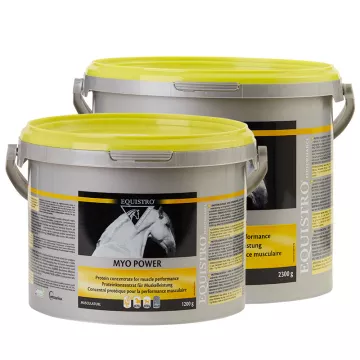
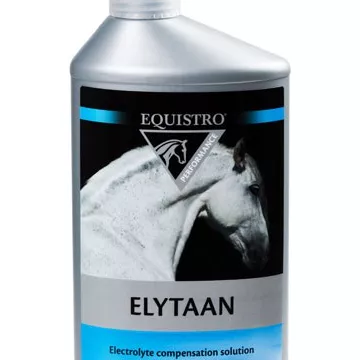
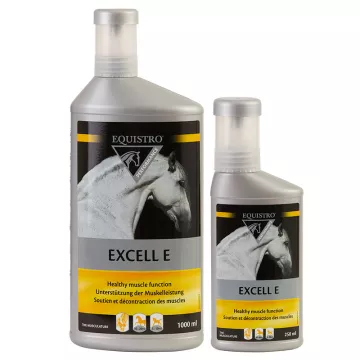
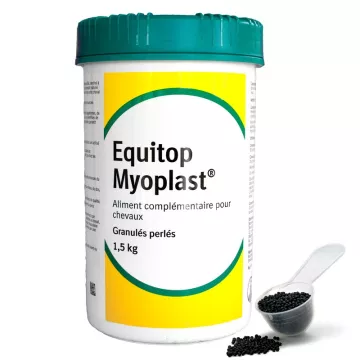
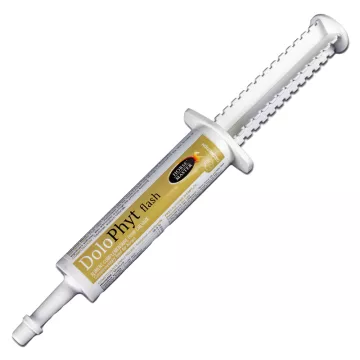
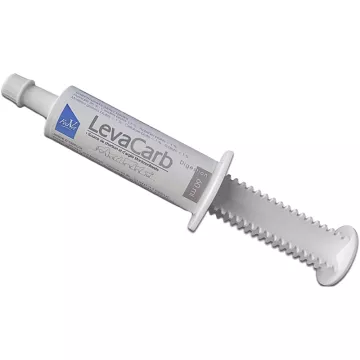
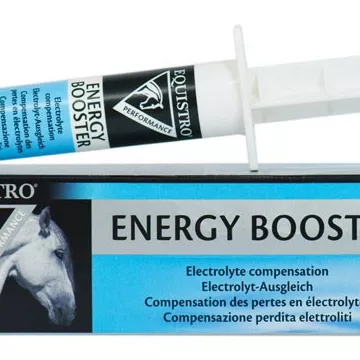
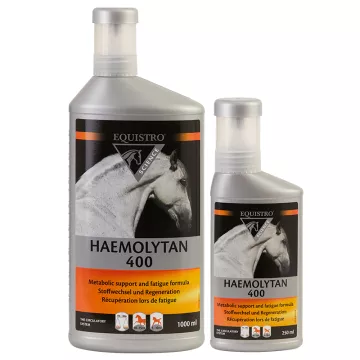
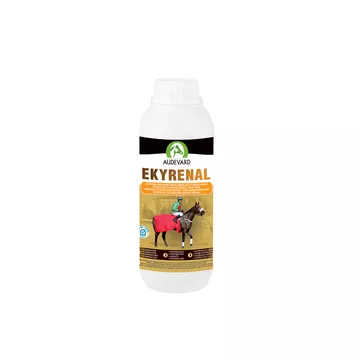
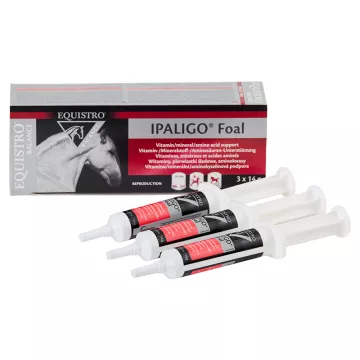
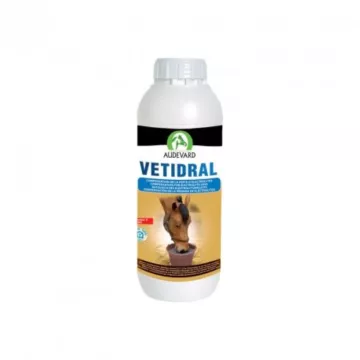
After intense exertion (competition, prolonged training, trail riding), the sport horse has specific needs. Electrolytes (sodium, potassium, chloride, magnesium) lost through sweat must be quickly replenished to ensure optimal cellular rehydration. Muscle supplements (branched-chain amino acids [BCAAs], L-glutamine, vitamin B1) support protein synthesis and reduce central fatigue. Athletic recovery is also linked to the quality of nighttime rest—a horse that doesn’t get enough sleep does not fully recover during REM sleep. Oral booster syringes (60 ml, direct administration) provide immediate post-exercise support by concentrating these active ingredients in a convenient format.
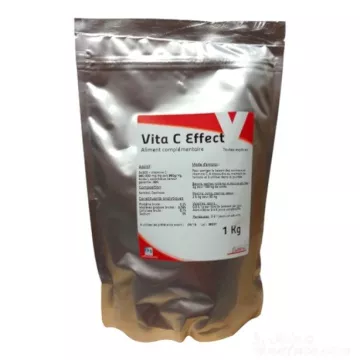
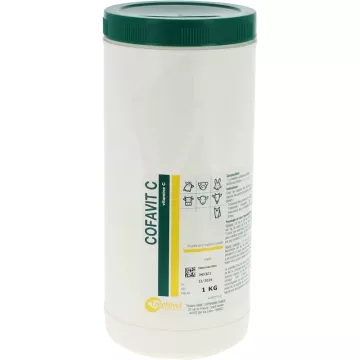
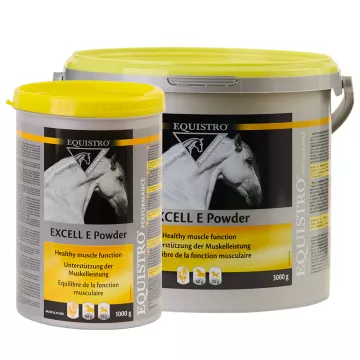
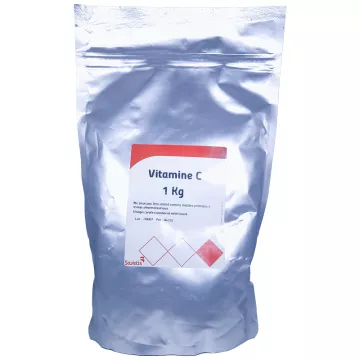
Vitamin E (tocopherol) is the gold standard fat-soluble antioxidant—it protects muscle membranes from lipid peroxidation during exercise and reduces oxidative damage associated with intensive training. A deficiency causes nutritional myopathy (muscle stiffness, elevated CPK/LDH levels) and immunosuppression. Vitamin C is synthesized by healthy adult horses, but this synthesis may be overwhelmed during periods of intense stress, infection, or aging—supplementation in powder form then supports immunity and tendon collagen synthesis in competition horses and senior horses.
Biting insects (flies, horseflies, Culicoides midges, mosquitoes) are a major source of stress and discomfort, potentially causing recurrent summer dermatitis (allergy to Culicoides bites), decreased performance, and agitated behavior. Equine repellent sprays (permethrin at concentrations approved for horses, or natural formulas based on geraniol, citronella, and eucalyptus) should be applied to the coat before going out. Turmeric (curcumin, a natural anti-inflammatory) is used to prevent recurrent allergic skin reactions in horses sensitive to insect bites. Fly blankets and protective masks complement the action of repellents.
Several situations require immediate veterinary consultation: acute lameness (lameness score ≥ 3/5), colic (abdominal pain, discomfort, refusal to eat), fever (rectal temperature > 38.5°C), deep wounds or lacerations, respiratory distress, neurological signs (ataxia, inability to stand), or a sudden deterioration in general condition. Annual preventive veterinary care (vaccinations—equine influenza, tetanus, herpesvirus—rational deworming based on fecal examination, dental checkup every 6 to 12 months) is just as essential as curative care. Injectable vitamin C, administered by a veterinarian during periods of severe fatigue or viral infection, can quickly support the horse’s immune system during recovery.