Which plants and natural remedies support bone health?
In addition to traditional mineral supplements, several plants contain active ingredients with documented benefits for bone health. Explore our line of bone-remineralizing products and our formulas that combine plants and micronutrients.
- Field horsetail (Equisetum arvense): the plant richest in plant-based silica—silicon stimulates the synthesis of bone collagen and improves the integration of minerals into the bone matrix—traditional use recognized by the EMA for supporting connective tissue
- Stinging nettle (Urtica dioica): a natural source of calcium, magnesium, silica, and vitamin K—multiple bone-supporting compounds in a single plant—see our organic silica line
- Bamboo: the plant with the highest concentration of organic silica—up to 70% silica in bamboo extracts—a vegan alternative to horsetail for remineralizing formulas
- Melatonin: Beyond sleep, melatonin plays a role in regulating bone remodeling—studies show its inhibitory effect on osteoclasts
Zinc, cortisol, and sleep: three often-overlooked factors affecting bone health
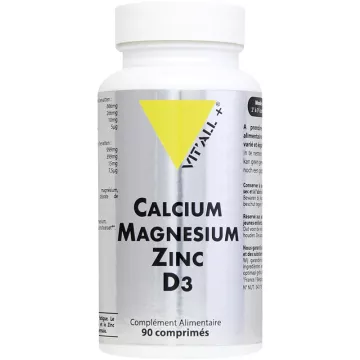
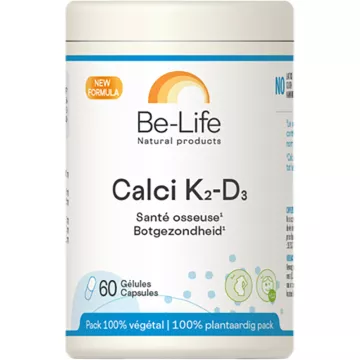
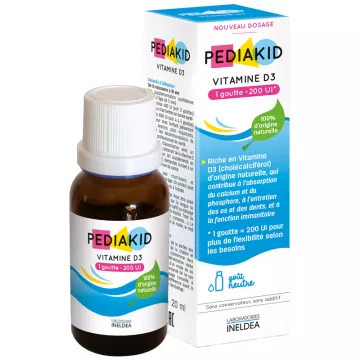
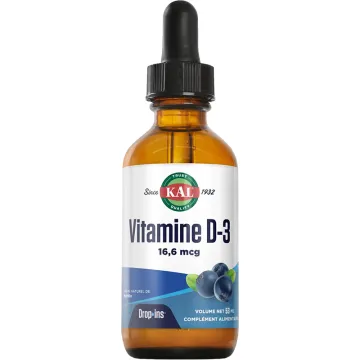
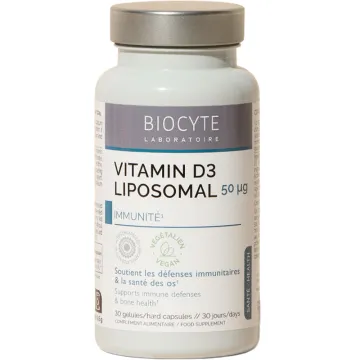
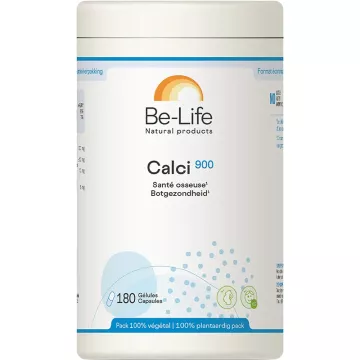
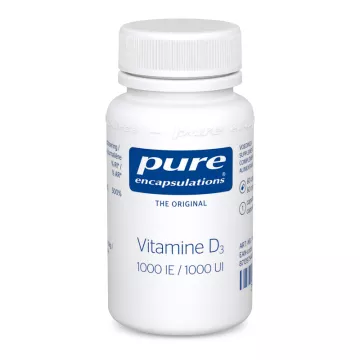
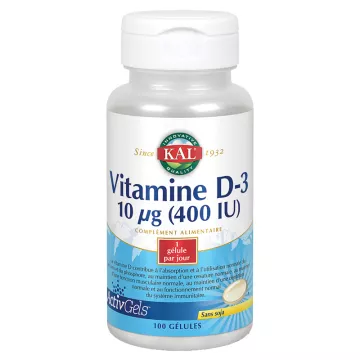
Bone health also depends on factors that calcium supplements cannot compensate for—a holistic approach is essential for lasting results. Our calcium and vitamin D product lines are part of this comprehensive approach.
- Zinc: an enzymatic cofactor in bone collagen synthesis and mineralization—deficiency is associated with reduced bone density—recommended intake: 10–15 mg/day—sources: oysters, meats, legumes, pumpkin seeds
- Cortisol and chronic stress: Cortisol increases osteoclast activity and reduces intestinal calcium absorption—prolonged corticosteroid therapy is the leading iatrogenic factor in osteoporosis—managing chronic stress indirectly protects bone mass
- Sleep: Growth hormone (GH), secreted primarily during deep sleep, stimulates osteoblasts — chronic sleep deprivation reduces GH levels and may impair bone remodeling in the long term — 7–9 hours of nighttime sleep are recommended
- Melatonin: Its natural decline with age partially coincides with bone loss—recent research suggests a direct protective role on bone via osteoclast receptors
How can osteoporosis be prevented naturally?
Osteoporosis prevention takes place over several decades—the most effective measures are those started before symptoms appear. For advanced cases, see our page on fractures.
- Build maximum bone mass before age 30: calcium + vitamin D3 + physical activity during adolescence—every point of bone density gained in youth delays the onset of osteoporosis by several years
- Maintain bone density throughout adulthood: ongoing supplementation with calcium, vitamin D3, vitamin K2, and magnesium —along with high-impact physical activity
- Preventive DEXA scan: at menopause or after age 65 — T-score between -1 and -2.5 = osteopenia treatable without medication through supplements and lifestyle changes
- Remineralizing herbs (horsetail, stinging nettle, bamboo) in a 3-month course: natural support for collagen synthesis and bone mineralization
- Hydrolyzed marine collagen: maintains the bone’s collagen matrix — should always be combined with minerals for comprehensive bone health
What are the signs of declining bone health to watch for?
- Progressive loss of height (> 2 cm): may indicate osteoporotic vertebral compression fractures—a medical consultation is recommended
- Fractures following minor trauma (a fall from standing height): fragility fracture—a sign of undiagnosed osteoporosis—urgent bone assessment
- Chronic back pain with no obvious mechanical cause: suggest vertebral microfractures
- Diffuse bone pain with fatigue: suggest osteomalacia (severe vitamin D deficiency)—urgent serum testing
- These signs warrant a medical consultation and a bone assessment—our bone remineralizing supplements as an adjunct to medical follow-up