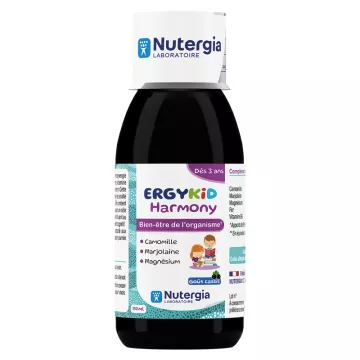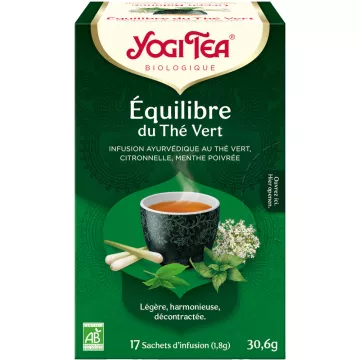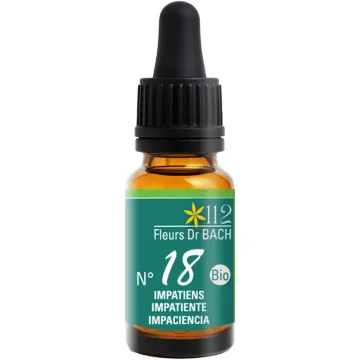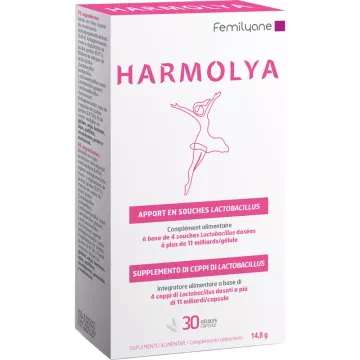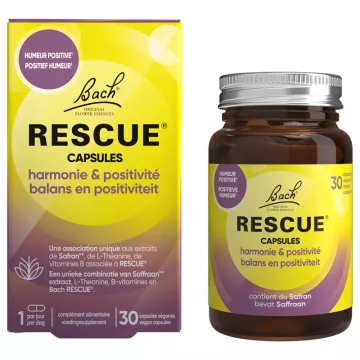
In Dr. Edward Bach’s therapeutic philosophy,harmony refers to a state of inner balance in which emotions, thoughts, and actions are in alignment—without paralyzing inner conflicts or excessive judgment of oneself or others. Bach believed that most emotional imbalances stemmed from a disconnect between a person’s superficial personality and their deeper aspirations. Restoring this harmony was at the heart of his system of 38 flowers. Those associated with inner disharmony—whether directed inward (rigidity, perfectionism, self-criticism) or outward toward others (intolerance, frustration, jealousy)—are among the most commonly used in personalized blends.
Several flowers target the emotional states that disrupt harmony and prevent one from achieving this balance:
Bach Flower Remedies are taken at a dose of 4 drops under the tongue 4 times a day, between meals, as a 3- to 4-week course of treatment that can be repeated. They can be freely combined (up to 7 flowers) to create a personalized emotional profile. Regular meditation and relaxation create the calm environment necessary for inner harmony. Magnesium (bisglycinate—300 mg/day) reduces irritability and emotional hyperreactivity, which lead to tension and disharmony. Rhodiola (adaptogen—rosavins and salidroside) restores emotional resilience and reduces the effect of stress on mood, making interactions less confrontational. Griffonia (5-HTP—a serotonin precursor) supports mood balance and reduces irritability or anxiety that disrupt relationships—absolute contraindication with SSRIs, SNRIs, tramadol, and St. John’s wort. Valerian (EMA: well-established use) soothes nervous tension that builds up at the end of the day. These approaches complement one another—they do not replace psychological counseling in cases of persistent internal or relationship conflicts.