What are the main causes of brittle nails?
Brittle nails (that break, split, or crumble) are often the result of a combination of several factors:
- Repeated exposure to water, detergents, and solvents (acetone-based nail polish removers).
- Very long-lasting or semi-permanent nail polish applied repeatedly without a break.
- Microtrauma (using nails as tools, nail-biting).
- Nutritional deficiencies: iron (common in women of childbearing age), zinc, biotin in cases of proven deficiency, and protein.
- General medical conditions: thyroid disorders (hypothyroidism or hyperthyroidism), anemia, autoimmune diseases, malnutrition, certain treatments (chemotherapy, oral retinoids).
- Dermatological conditions: nail psoriasis, lichen planus, periungual eczema.
- Hormonal changes: pregnancy, postpartum, menopause.
Identifying the underlying cause through laboratory testing (ferritin, complete blood count, TSH, vitamin D) when necessary helps guide the most effective treatment plan.
Which nutrients help strengthen nails?
Several nutrients contribute to the nail’s intrinsic quality:
- Proteins (particularly sulfur-containing amino acids): Keratin is a fibrous protein.
- Iron: meat, organ meats, legumes, and green vegetables. An iron deficiency (very common in women) affects the quality of hair and nails. A ferritin test is recommended before starting supplementation.
- Zinc: seafood, meats, nuts, and seeds.
- Biotin (vitamin B8): eggs, nuts, legumes. Its benefit as a supplement is primarily demonstrated in cases of confirmed deficiency. It has a modest effect in the absence of a deficiency.
- Vitamin C: citrus fruits, berries, green vegetables; promotes the absorption of non-heme iron.
- Vitamins A, D, E: fruits, vegetables, nuts, and fatty fish.
- Omega-3: fatty fish, nuts, flaxseeds, canola oil.
A varied diet meets nutritional needs in most cases. Supplementation should be discussed with a pharmacist or doctor based on individual circumstances and, ideally, on the results of a blood test.
How can natural oils be used for nails?
Plant-based oils are well-tolerated cosmetic treatments for maintaining the nail plate and the skin around the nails:
- Castor oil, argan oil, coconut oil, jojoba oil, sweet almond oil: applied in the evening with a gentle massage to the nails and cuticles.
- They have an emollient and protective effect on the surrounding area. Note: The visible part of the nail is an impermeable, dead structure; the oils do not affect internal growth but improve the appearance and strength of the skin around the nails, which contributes to a healthier-looking nail.
- Standard precautions: If you have sensitive skin, test on the inner elbow 24 to 48 hours before regular use.
Are there any treatments to strengthen nails?
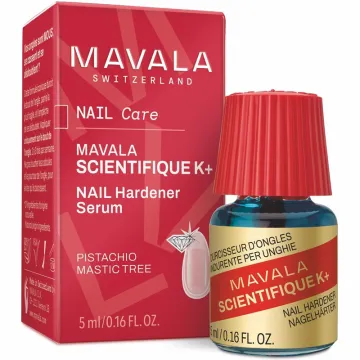
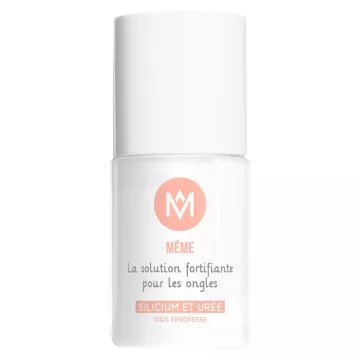
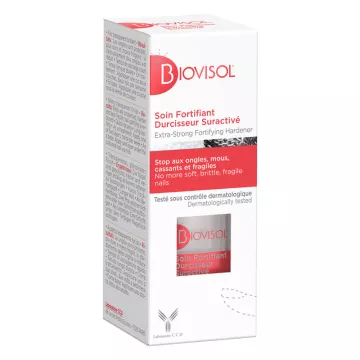
Several cosmetic nail hardeners are available at drugstores, but their ingredients must be checked carefully:
- Avoid: hardeners containing formaldehyde or toluene-sulfonamide-formaldehyde (TSF) resin, which are precursors to formaldehyde. Formaldehyde is classified as a Group 1 carcinogen by the IARC; its concentration in cosmetics is strictly regulated by Regulation (EC) No. 1223/2009 (specific limits and mandatory labeling above a certain threshold). Use is not recommended for those with sensitive skin or a history of allergies.
- Preferred options: 3-free, 5-free, or 10-free cosmetic hardeners, formulated without formaldehyde, toluene, or dibutyl phthalate, and based on hydrolyzed proteins, ceramides, silica, or minerals.
- Nitrocellulose: a common ingredient in nail polish; non-toxic at cosmetic concentrations.
- Protective base coats and strengthening top coats: provide a protective layer between applications of colored nail polish.
The long-term use of a hardener is only justified as part of a comprehensive routine (hydration, nutrition, mechanical protection). In cases of chronic brittleness, a dermatologist’s advice is recommended.
What daily habits promote strong nails?
Several simple steps help maintain nail strength on a daily basis:
- Wear gloves during repeated contact with water, detergents, and chemicals.
- Moisturize after every time you wash your hands or use hand sanitizer.
- Do not use your nails as tools, and do not bite your nails (onychophagia).
- Limit the use of long-lasting nail polish and use acetone-free nail polish remover.
- Take regular breaks from wearing nail polish to allow your nails to rest and breathe.
- Gently push back cuticles with a wooden stick rather than using sharp metal tools.
- File gently in one direction only, using a fine-grit nail file.
What role does calcium play in nail strength?
Contrary to popular belief,nails contain very little calcium: they are composed primarily of keratin (a protein), lipids, water, and small amounts of minerals. Calcium supplementation has not been shown to have a direct effect on nail quality in the absence of a general deficiency. That said, an adequate intake of calcium remains important for overall bone health and is part of a balanced diet. Dietary sources: dairy products, calcium-enriched mineral water, nuts and seeds (almonds, sesame seeds), green vegetables (kale, broccoli), and sardines. Supplements should not be taken without a medical evaluation and professional advice.
How does nail polish affect nail strength?
Wearing nail polish, in and of itself, does not permanently alter the quality of the nail if used in moderation. Several precautions can help limit adverse effects:
- Choose 3-free, 5-free, or 10-free formulas (free of toluene, formaldehyde, DBP, camphor, and formaldehyde resin, depending on the version).
- Apply a protective base coat and a top coat.
- Use an acetone-free nail polish remover, which is less drying.
- Take regular breaks between applications, especially after several weeks of semi-permanent polish.
- The removal of semi-permanent polish and gels must be done gently (without aggressive scraping): have it done by a trained professional for complex applications.
Yellowing of the nail caused by colored polish applied without a protective base coat is generally reversible with an extended break and moisturizing treatments.
Can you take supplements to strengthen your nails?
Several dietary supplements are available. Their effectiveness depends on the individual’s specific needs:
- Biotin: Its effectiveness has been demonstrated primarily in cases of proven deficiency. Biotin may interfere with certain blood tests (particularly TSH): inform the lab or your doctor if you are taking it.
- Iron: Only after a ferritin test; never taken without medical guidance (risk of iron overload).
- Zinc: short courses of treatment, in measured doses.
- Selenium, vitamin E: Benefits should be evaluated based on the individual’s specific situation.
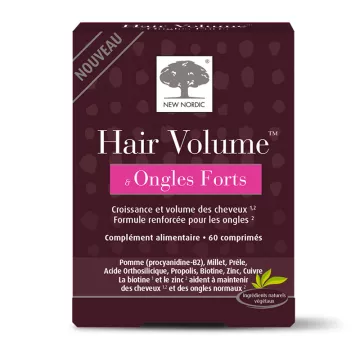
- Multicomponent supplements for nails, skin, and hair: effectiveness varies depending on the composition and deficiency profile; discuss with a pharmacist or doctor.
No supplementation is justified “as a matter of principle.” Laboratory testing helps identify actual needs and avoid unnecessary—or even risky—overconsumption.
What manicure techniques promote healthy nails?
To maintain the quality of the nail over the long term, several gentle manicure techniques should be prioritized:
- Do not cut the cuticles (risk of bacterial whitlow); gently push them back with a wooden stick after a 5-minute warm soak.
- File in one direction only using a fine-grit, smooth-finish nail file.
- Cut toenails straight across to minimize ingrown toenails.
- Use clean, disinfected tools (70% isopropyl alcohol); do not share them.
- Space out semi-permanent manicures and have them removed by a trained professional.
- Moisturize the nail plate and cuticles regularly.
See also: Strengthening Brittle Nails for a routine focused on fragility.
How does stress affect nail health?
Chronic stress can affect nail quality through several mechanisms:
- Repetitive behaviors (nail-biting, skin-picking, cuticle-pulling) that weaken the nail plate and the periungual area.
- Beau’s lines (pronounced transverse ridges) following a severe physical or medical stressor (high fever, surgery, bereavement, chemotherapy).
- A perceived slowing of growth.
- Associated telogen effluvium (hair loss) reflecting a state of general stress.
Helpful strategies: regular physical activity, adequate sleep, cardiac coherence, meditation, sophrology, yoga, and psychological counseling as needed. Comprehensive stress management contributes to the health of the skin and nails. If there is a lasting change in the appearance of the nails despite a well-maintained routine, a dermatological evaluation can help identify any underlying causes.