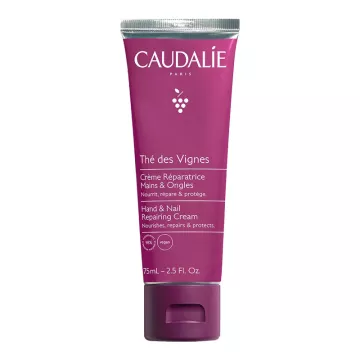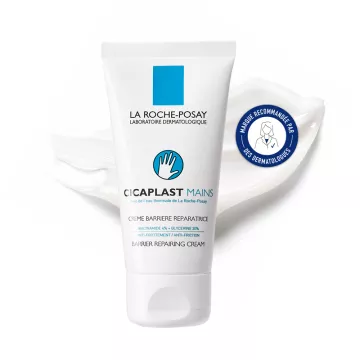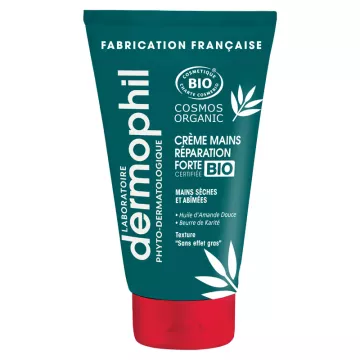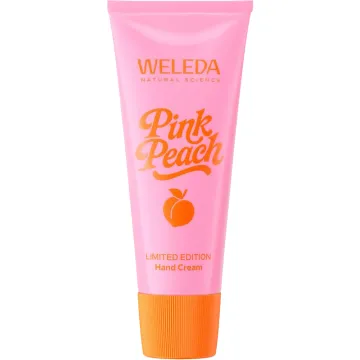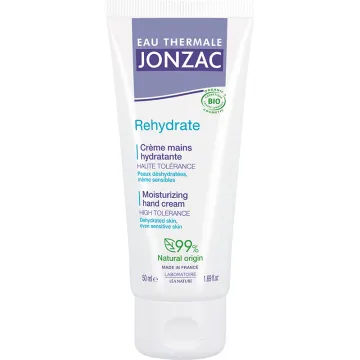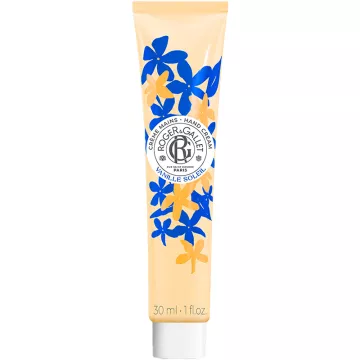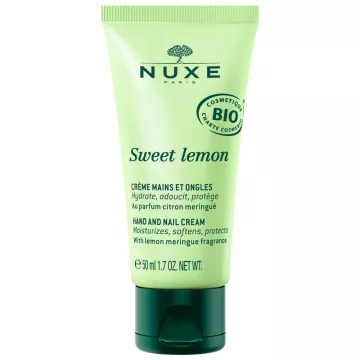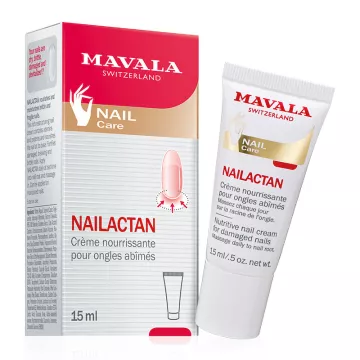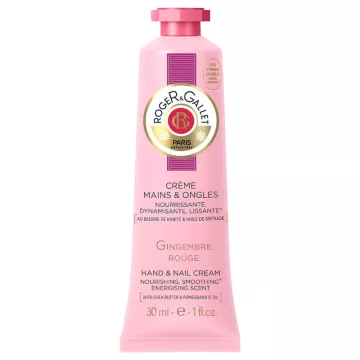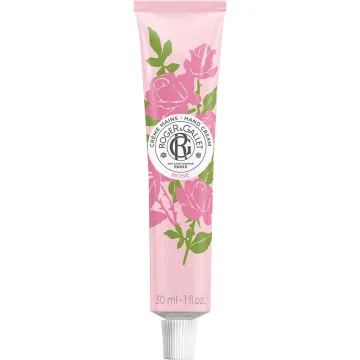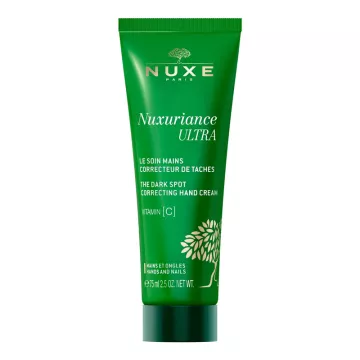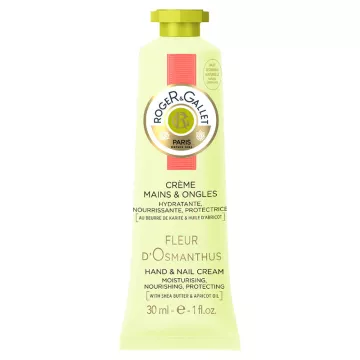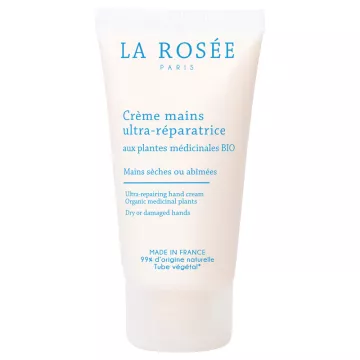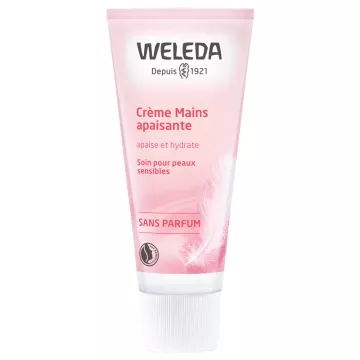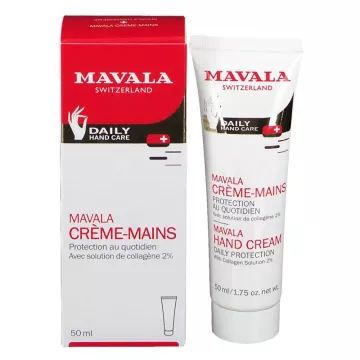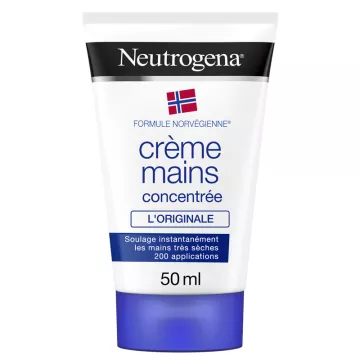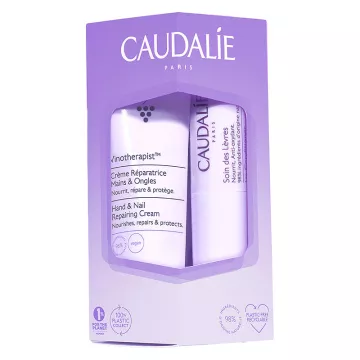
Hand cream is a cosmetic product designed to moisturize, nourish, and protect a particularly exposed area of the body. Hands are constantly put to the test: water, soap, detergents, cold weather, and repeated rubbing take a daily toll on the thin stratum corneum on the back of the hand. A suitable cream helps preserve the skin’s suppleness, maintain skin comfort, and reduce the onset of tightness, roughness, or—in more severe cases—cracks.
An effective hand cream generally combines several complementary ingredient groups:
Choosing a hand cream depends first and foremost on your skin type and the condition of your hands:
Daily use helps maintain moisture, support skin suppleness and radiance, and protect your hands from repeated exposure to harsh conditions such as cold weather, household detergents, and household chemicals. Beyond skin comfort, this daily routine helps keep your hands well-groomed, which is particularly important for certain professions that involve frequent contact with water or disinfectants.
While the market offers hand creams specifically marketed for men or women, the difference lies mainly in the fragrance, texture, or packaging. The active ingredients (shea butter, glycerin, vegetable oils, vitamin E) are the same: they address the same skin needs, regardless of gender. For skin that’s particularly stressed (manual labor, hands exposed to harsh products), richer or more restorative formulas are sometimes preferable, regardless of the label.
For effective application of hand cream:
Hand creams are generally richer and more nourishing than lotions. They contain a higher concentration of plant-based oils and butters, making them the treatment of choice for sustained hydration and prolonged protection, especially for dry or heavily stressed skin. Lotions, which are lighter in texture, are absorbed more quickly and are ideal for light, discreet moisturizing—for example, during the day for a quick touch-up.
Although formulated for the specific skin on the backs of the hands, hand cream can certainly be applied to other areas of the body that are typically dry: elbows, knees, and heels. However, it’s rarely suitable for the face, where the skin is thinner and where specific creams (with a higher concentration of active ingredients and sometimes a lighter texture) are preferable.
A hand cream enriched with vitamin E, sweet almond oil, or nourishing plant oils also helps keep nails and cuticles healthy. By keeping the skin around the nail supple, it helps prevent splitting and makes cuticle care easier. For more severe nail issues (fungal infections, severely weakened nails, persistent damage), professional advice is recommended.
Hand creams are generally well tolerated. However, some people may experience an individual reaction, particularly if they have atopic skin or are sensitive to a specific fragrance or preservative. Performing a patch test on the inner elbow 24 to 48 hours before regular use is a good precaution. In the event of a severe allergic reaction (swelling of the face, difficulty breathing suggestive of angioedema), call 15 or 112. If you have damaged or broken skin, or active eczema, consult a healthcare professional before using a new product.
To preserve the quality of hand cream, it’s best to store it in a cool, dry place, away from direct light. Closing the cap or tube tightly after each use helps limit microbial contamination and oxidation. For jar-style products, use a spatula or make sure your hands are clean before each use. Follow the PAO (period after opening) indicated on the packaging, and do not use a product if its texture, color, or scent has changed.