Taking care of your hands is essential because they are constantly exposed to external aggressors: water, soap, detergents, sun, wind, and temperature changes. The skin on the back of the hand, which is particularly thin, is more vulnerable to signs of aging (wrinkles, age spots) and skin discomfort (dryness, chapping, irritation). A regular hand care routine helps maintain skin suppleness, daily comfort, and the well-groomed appearance of your hands.
Several key ingredients are essential for high-quality hand care:
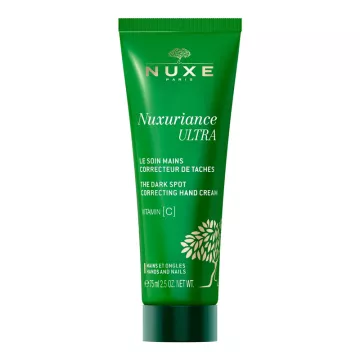
To minimize the appearance of dark spots on the hands, the most effective measure is sun protection: apply an SPF 30 or 50 sunscreen to the hands, especially during extended outings, while driving, and in the summer. Topical antioxidants such as vitamin C or vitamin E help neutralize the free radicals responsible for some skin aging. Wearing gloves while gardening or handling chemicals also helps limit cumulative damage. For existing spots, a dermatologist’s advice can guide you toward specialized treatments.
An effective hand care routine consists of four simple steps:
For dry or chapped hands, choose a cream rich in shea butter, ceramides, or plant-based oils (argan, sweet almond). Applying a generous layer at bedtime and wearing thin cotton gloves helps maximize absorption overnight. For more severely damaged hands, treatments containing lactic acid or urea at an appropriate concentration (5 to 10%) can help improve skin comfort. For deep, painful, or recurring cracks, it’s best to consult a dermatologist.
Visible signs of aging on the hands include thinning skin, loss of suppleness, the appearance of fine lines on the back of the hand, and age spots. Daily skincare should prioritize antioxidant ingredients (vitamins C and E), humectants (hyaluronic acid, glycerin), and—in nighttime skincare formulas—ingredients such as cosmetic retinol or peptides, which help maintain the skin’s radiance and suppleness. Cosmetic retinol is clearly distinct from medical retinoids (which are prescribed by a doctor, are teratogenic, and are contraindicated during pregnancy). Complementary medical procedures (chemical peels, laser treatment for pigmentation) fall under the purview of a dermatologist or aesthetic physician.
For brittle nails and damaged cuticles, massage a cuticle oil containing vitamin E or jojoba oil into the nails daily, focusing on the area around the nail. Limit the use of very fast-drying nail polishes and acetone-based removers, which are particularly drying, opting instead for acetone-free removers and nail polishes enriched with nourishing ingredients. Wearing gloves while doing household chores protects your nails from detergents. If your nails remain fragile (chronic splitting, ridged nails, discoloration), consulting a doctor can help rule out any underlying causes (fungal infection, nutritional deficiency, endocrine disorder).
Natural hand care can be a good complement to a beauty routine. Ingredients such as coconut oil, sweet almond oil, or honey are valued for their nourishing and soothing effects. Homemade masks (mashed avocado, banana, olive oil) can be used occasionally for intensive moisturizing. A few precautions: check for allergies to the chosen ingredient (especially nuts), do not apply to broken skin, and keep in mind that these preparations are less stable than commercially packaged cosmetic formulas.
Hand cream and balm differ in their texture and fat content. Hand cream, which is lighter (a water-in-oil emulsion), absorbs quickly, making it ideal for daytime use and under makeup. Balm, which is richer (often made with plant-based butters and waxes), forms a protective film that withstands repeated washing and is the treatment of choice for hands that are severely damaged or exposed to extreme conditions (dry cold, wind, or jobs that put a lot of strain on the hands).
When choosing a suitable hand cream, several factors should guide your decision:
To prevent periungual infections, maintain strict hygiene: wash your hands regularly with soap and water, dry them thoroughly—especially around the nails—and moisturize to keep the skin supple and minimize micro-injuries. Do not cut your cuticles aggressively or bite the skin around your nails: these actions create entry points for microorganisms. If you experience persistent redness, swelling, pain, discharge, or changes in the appearance of the nail (thickening, discoloration), consult a dermatologist or doctor immediately: they may diagnose a fungal infection, a paronychia, or another condition requiring appropriate treatment.
Moisturizing after each hand wash plays a key role in maintaining skin comfort. Washing, even with mild soap, removes some of the skin’s natural lipids. Reapplying a moisturizer within a minute helps restore the hydrolipidic film and reduce the feeling of tightness. For skin that is washed very frequently (healthcare professionals, food service workers, manual laborers), this step is essential for keeping hands from becoming fragile.
Eczema on the hands (contact eczema, atopic eczema of the hands, dyshidrosis) is a condition that requires a medical diagnosis and appropriate follow-up care. A doctor can assess the nature of the lesions, identify potential allergens through patch tests, and prescribe targeted treatments (topical corticosteroids or local immunomodulators, as appropriate). In daily life, in addition to medical treatment: apply specific emollients for atopic skin after each time you wash your hands, avoid scented soaps and identified irritants, and wear cotton gloves under rubber gloves when doing household chores to limit maceration. For more information, visit our page dedicated toeczema. In the event of a severe flare-up, weeping lesions, or signs of infection, seek medical attention promptly.
Moisturizing gloves offer an intensive solution for very dry hands. Infused with a gel or lotion rich in hyaluronic acid, shea butter, and vitamin E, they can be worn for one to several hours (or overnight for compatible models). Wearing them for an extended period helps the active ingredients penetrate the outer layers of the skin. For regular use, alternate these gloves with a hand care routine using nourishing creams.
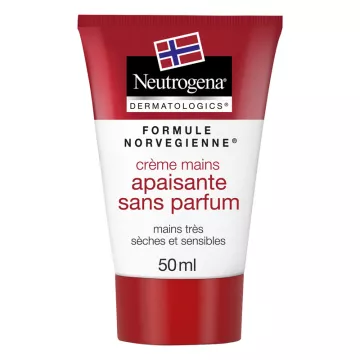
For sensitive skin, opt for products with gentle, well-tolerated formulas that are fragrance-free or very lightly scented, free of unnecessary dyes, and have a short, easy-to-read INCI list. Soothing ingredients such as colloidal oats, aloe vera, or chamomile are often recommended for reactive skin. Avoid formulas containing high concentrations of alcohol and harsh sulfate-based surfactants. Always perform a patch test on the inner elbow 24 to 48 hours before applying the product to the back of the hand. In the event of a severe allergic reaction (facial swelling, difficulty breathing suggestive of angioedema), call 15 or 112.