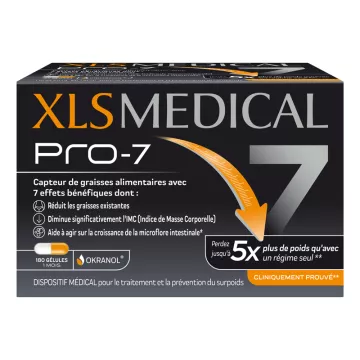
A fat-binding supplement is a dietary supplement that works by harnessing the ability of certain fibers to bind to dietary fats in the digestive tract. By forming a large fiber-fat complex, it prevents the intestinal absorption of these fats, which are then naturally eliminated in the stool. The goal is to reduce calorie intake from fat without drastically changing eating habits. Fat binders do not burn body fat that has already been stored; they act exclusively on fats ingested during meals and complement a structured weight-loss program without replacing it.
Several classes of active ingredients are used in these formulations:
Yes. By intercepting dietary fats before they are absorbed, fat binders made from soluble fiber can help reduce circulating LDL cholesterol. Beta-glucans, in particular, have a health claim authorized by the EFSA: 3 g per day helps maintain normal cholesterol levels. Their effect on postprandial blood glucose levels is also notable: by slowing the absorption of carbohydrates and fats, these fibers help limit insulin spikes after meals.
The most common side effects are digestive in nature: bloating, gas, loose stools, or constipation, related to the high fiber content. They are generally temporary and can be minimized by gradually increasing intake and staying well-hydrated. Bowel movements may be disrupted during the first few weeks. Important precautions:
For optimal effectiveness, fat binders should be taken before the highest-fat meals, with a large glass of water to activate the formation of the fibrous gel. A one- to three-month course of treatment is usually recommended, followed by an evaluation of the results. Combining them with a natural, high-fiber appetite suppressant can increase feelings of fullness between meals. Maintaining a balanced gut microbiome is also recommended, as a high-fiber diet alters the microbiome ecosystem: prebiotics and fermented foods can help mitigate this temporary imbalance.
No. Available studies show that fat-binding supplements produce a modest additional effect when combined with a low-calorie diet, but remain largely ineffective without dietary changes. ANSES emphasizes that no dietary supplement can compensate for chronic excessive calorie intake. For lasting results, they should be part of a comprehensive strategy that includes a balanced diet, regular physical activity, and a healthy lifestyle—fat blockers enhance this approach but do not replace it.