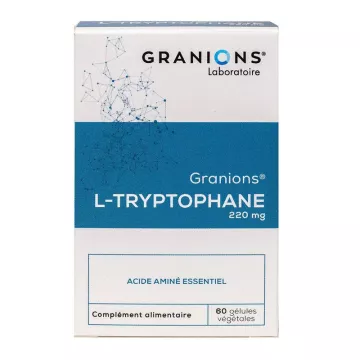
A good mood is a positive and stable emotional state, distinct from momentary joy—it reflects a general disposition toward optimism, lightheartedness, and well-being. Neurochemically, it depends primarily on the balance of serotonin (a neurotransmitter associated with serenity and satisfaction, 95% of which is produced in the gut from dietary tryptophan), dopamine (motivation and anticipated pleasure), and endorphins (released during physical exercise). These balances are directly influenced by diet, sleep quality, physical activity, the gut microbiota, and the micronutrients that act as cofactors in the synthesis of these neurotransmitters. A deficiency in magnesium or B vitamins, an unbalanced gut microbiota, or chronic sleep deprivation can significantly impair one’s baseline mood, regardless of external circumstances.
A serotonin-boosting diet is based on foods rich in tryptophan (a precursor to serotonin): bananas, eggs, poultry, legumes, nuts, and pumpkin seeds. The conversion of tryptophan to serotonin requires vitamin B6, magnesium, and zinc as cofactors—a diet deficient in these micronutrients can block this synthesis even with an adequate intake of tryptophan. Foods rich in omega-3 EPA and DHA (fatty fish, chia seeds) improve the fluidity of neuronal membranes and regulate mood. Dark chocolate (>70%) stimulates the release of serotonin and endorphins through its flavonoids and theobromine. In terms of practical approaches, 30 minutes of moderate physical exercise releases endorphins and BDNF (brain-derived neurotrophic factor), with a documented effect on mood beginning as early as the first session. Regular meditation and the practice of gratitude (writing down 3 positive things each day) measurably increase subjective well-being within 4 to 6 weeks.
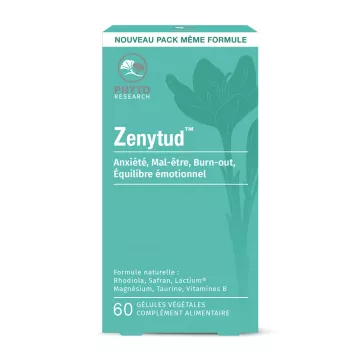
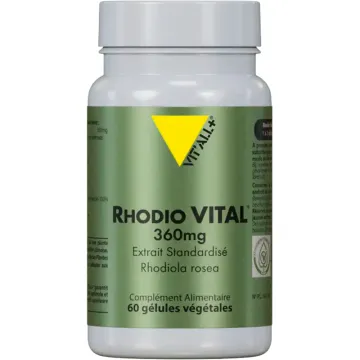
Griffonia (5-HTP—a direct precursor to serotonin, derived from the seeds of Griffonia simplicifolia) is the best-documented natural active ingredient for supporting a positive mood, improving sleep quality, and reducing negative ruminations—absolute contraindication with SSRIs, IRSN, tramadol, and St. John’s wort (risk of serotonin syndrome). Magnesium bisglycinate (300 mg/day) is the first deficiency to address: as a cofactor in the synthesis of serotonin and GABA, it reduces irritability and emotional hyperreactivity and improves sleep. Rhodiola (an adaptogen—containing rosavins and salidroside) restores motivation and enthusiasm diminished by chronic stress—to be taken in the morning; contraindicated in bipolar disorder. Omega-3 EPA-DHA (1 to 3 g/day—EFSA claim) has a documented effect on mood regulation by modulating brain inflammation. In cases of persistent low mood (>2 weeks) or depressive symptoms, consult a doctor—these approaches complement but do not replace medical or psychological care.