To achieve an even, natural-looking golden tan, proper skin preparation makes all the difference.
Exfoliate your skin with a gentle scrub to remove dead skin cells and ensure even application if you’re using a self-tanner.
Moisturize your skin generously after exfoliating to maintain its suppleness and elasticity in the days leading up to sun exposure.
For a natural tan, gradually expose yourself to the sun, avoiding the hours when the sun is strongest (between noon and 4 p.m.), and always use a broad-spectrum sunscreen.
Several cosmetic products help you achieve and maintain a beautiful golden tan over the course of several weeks.
Self-tanners containing dihydroxyacetone (DHA) react with the amino acids in the stratum corneum to create a temporary tan that lasts several days.
Moisturizers enriched with gradual tanning agents or carrot oil intensify and prolong the skin’s natural color.
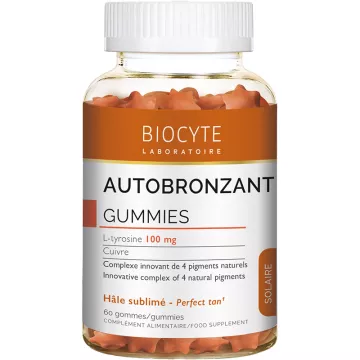
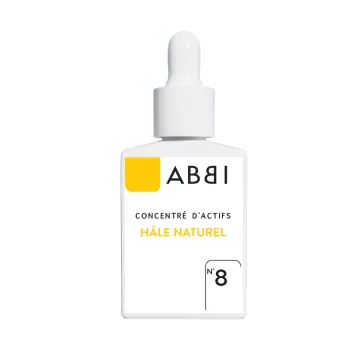
Antioxidant formulas (vitamin E, green tea, polyphenols) protect against free radicals and preserve the radiance of your tan; discover our selection of self-tanners and pre-sun care products.
Sun protection remains essential even when you’re trying to get a tan, contrary to a persistent misconception.
Prolonged exposure without adequate protection causes serious skin damage, accelerates skin aging, and significantly increases the risk of skin cancer (consensus of the WHO and INCa).
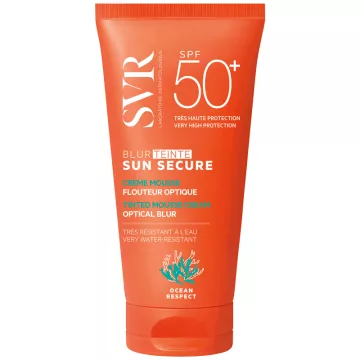
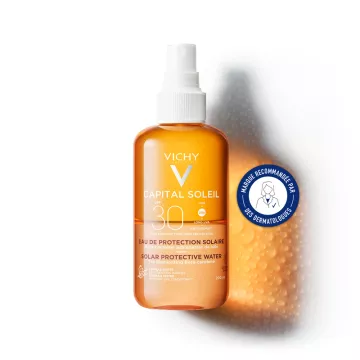
Apply a generous amount of sunscreen with an SPF of at least 30 (ideally SPF 50 for fair skin), reapplying every two hours and after each swim.
Complement this with a wide-brimmed hat, appropriate sunglasses (category 3 minimum), and covering clothing during peak sun hours.
Several common mistakes can compromise the quality of your tan or the health of your skin:
Uneven application of self-tanner leaves streaks and unsightly marks, especially on areas where the skin is thicker (knees, elbows, ankles, feet).
Exposure during the hottest hours of the day (noon to 4 p.m.) damages the skin and often results in an uneven tan that peels prematurely.
Failure to use sunscreen during repeated sun exposure leads to sunburn, photoaging, and an increased long-term risk of skin cancer.
Neglecting post-sun hydration accelerates peeling and shortens the duration of your tan.
If your tan is uneven or too intense, there are several gentle steps you can take to even out the result.
Use a gentle exfoliant or scrub to gradually fade the most pronounced areas, applying gentle pressure without irritating the skin.
Then apply a rich moisturizer to even out your skin tone and soothe the treated areas.
If you get sunburned, immediately apply a soothing aloe vera treatment and stay in the shade until the redness completely disappears; consult a doctor if the burns are severe, widespread, or accompanied by blisters.
For self-tanning mistakes, specific corrector products can help tone down the color without irritating the skin.
For safe and gradual tanning, choose times when the sun is less intense.
In the morning before 11 a.m. or in the late afternoon after 4 p.m. offer a good balance between stimulating melanin production and minimizing skin risks.
However, UV rays are present all day long: sunscreen is still essential even outside the hottest hours.
Be sure to avoid the sun between noon and 4 p.m., especially between June and September, when the UV index reaches levels that are dangerous for the skin.
The ideal duration of sun exposure depends directly on your skin type and your individual tolerance.
Fair skin (skin types I and II) tans quickly but is also the most vulnerable to UV rays: limit your first few exposures to a maximum of 10–15 minutes.
Medium and dark skin tones (skin types IV through VI) can handle slightly longer sessions, but never exceed 30 consecutive minutes.
Always alternate between moderate sun exposure and breaks in the shade to reduce cumulative damage and achieve a gradual, long-lasting tan.
Tanning through a window is very limited in practice.
Standard glass filters out most of the UVB rays responsible for immediate skin pigmentation, which significantly reduces the visible tanning effect.
However, UVA rays pass through glass to a large extent and continue to cause skin aging, the appearance of pigment spots, and invisible cellular damage.
Prolonged exposure behind glass (in a car or by a window) therefore requires sun protection on exposed areas, though it does not result in a significant tan.
A targeted diet can prepare the skin for the sun and improve the quality of the tan.
Foods rich inbeta-carotene (carrots, sweet potatoes, apricots, mangoes, spinach, squash) give the skin a slightly golden hue and support melanin synthesis.
Fruits and vegetables rich in antioxidants (berries, tomatoes, bell peppers, citrus fruits) protect against free radicals generated by UV rays.
Staying well-hydrated from the inside and getting enough omega-3 fatty acids are useful additions to this nutritional preparation for sun exposure.
Several daily habits can help you maintain your golden tan for the long term:
Moisturize your skin daily with a lotion or oil specifically formulated for tanned skin, morning and night.
Maintain good internal hydration by drinking water regularly throughout the day to keep your skin supple.
Avoid hot baths and long showers, which accelerate skin peeling and shorten the duration of your tan.
Use gentle cleansers and limit exfoliation to once or twice a week at most; to soothe and nourish tanned skin, also check out our after-sun section.