What is gastroesophageal reflux (GERD) and how does it develop?
Gastroesophageal reflux disease (GERD) is the chronic backflow of stomach acid into the esophagus due to a failure of the lower esophageal sphincter (LES). It is a chronic condition—distinct from occasional acid reflux—that, if left untreated, can lead to irreversible damage. Our line of digestive medications and supplements offers natural and medical solutions tailored to each stage.
- Mechanism: The LES (normal tone 15–30 mmHg) relaxes inappropriately or exhibits permanent hypotonia—leading to reflux of acidic contents (pH 1–2) into the esophagus — the esophageal mucosa lacks the protective lining found in the stomach
- Hiatal hernia: upward displacement of the esophagogastric junction into the thoracic cavity — contributes to LES failure — present in 70% of severe GERD cases
- Main risk factors: overweight/obesity (the primary modifiable factor), pregnancy (T3), smoking (nicotine relaxes the LES), alcohol, a diet high in saturated fats, coffee > 3 cups/day, sedentary lifestyle
- Atypical non-gastrointestinal symptoms: chronic nocturnal cough (micro-inhalation of acid), morning hoarseness, acid laryngitis, worsened asthma, dental erosion (acid-induced demineralization) — often not associated with GERD by the patient
- Severe, untreated complications: erosive esophagitis → esophageal stricture (progressive dysphagia) → endobrachy-esophagus/Barrett’s esophagus (precancerous) → adenocarcinoma — endoscopy is essential if symptoms have persisted for > 5 years or are atypical
Diagnosis of GERD: specialized tests
- Gastroscopy (EOGD): visualizes esophagitis, hiatal hernia, and Barrett’s esophagus — biopsies if Barrett’s esophagus is suspected — essential if symptoms have persisted for > 5 years, dysphagia, resistance to PPIs, or atypical symptoms
- 24-hour ambulatory esophageal pH monitoring: measures acidity in the esophagus every 30 seconds — diagnostic gold standard — distinguishes between acid, bile, or mixed GERD — correlates reflux episodes with symptoms
- Impedance monitoring + pH monitoring: detects non-acid reflux (after PPI therapy, biliary reflux)—indicated if there is resistance to PPIs despite perfect compliance
- High-resolution esophageal manometry: assesses pressure and function of the lower esophageal sphincter (LES) — essential prior to antireflux surgery
- Barium esophagogastric transit study: visualizes hiatal hernias and regurgitation—less sensitive than pH monitoring but more accessible
Natural remedies and anti-reflux agents
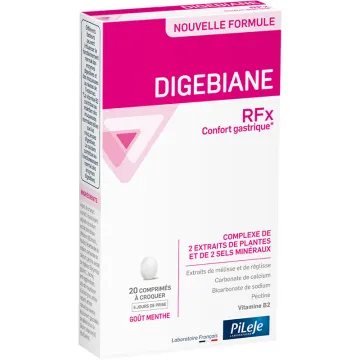
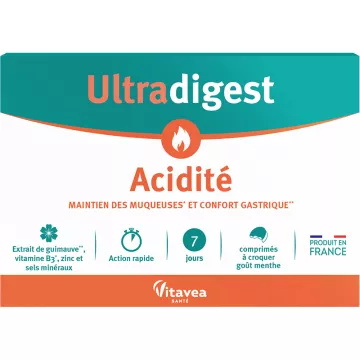
- Deglycyrrhizinated licorice (DGL): stimulates the production of mucus that protects the esophageal lining — chewable tablets taken 20 minutes before meals — protects the esophagus from acid reflux without causing high blood pressure — first-line natural treatment
- Ginger (500–1,000 mg before meals): accelerates gastric emptying (prokinetic) → less acid available to reflux — reduces associated nausea — available in capsules or as a fresh herbal tea in our line of digestive supplements
- Chamomile (3 cups of tea per day): anti-inflammatory and antispasmodic for the esophageal and gastric mucosa — soothes esophageal burning after acid reflux
- Apple cider vinegar (1 teaspoon in a glass of water before meals): paradoxically alkalizing despite its acidity — improves gastric motility — use with caution (always dilute; never consume undiluted) and consult a doctor if you have severe GERD
- Aloe vera gel for internal use: promotes healing of the esophageal lining — aloe juice in the morning on an empty stomach — natural support for mucosal repair in cases of mild esophagitis
Medical treatments, surgery, and anti-reflux lifestyle measures
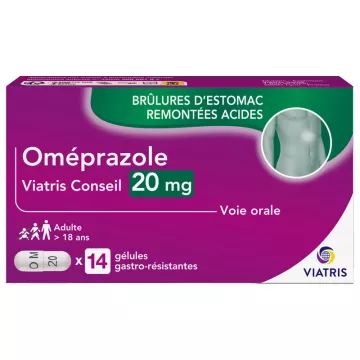
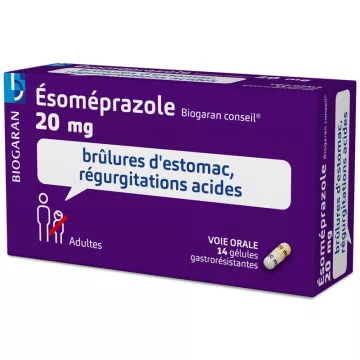
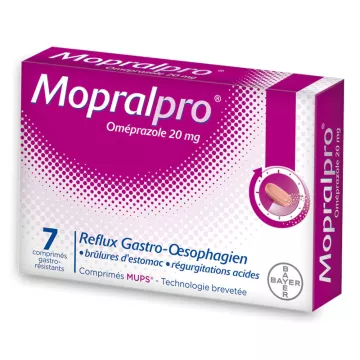
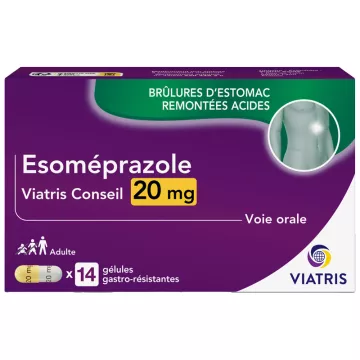
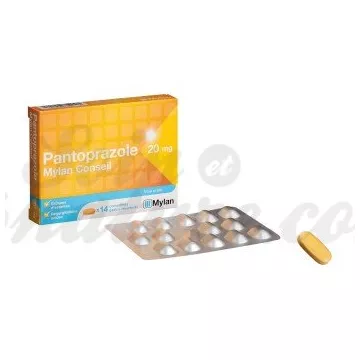
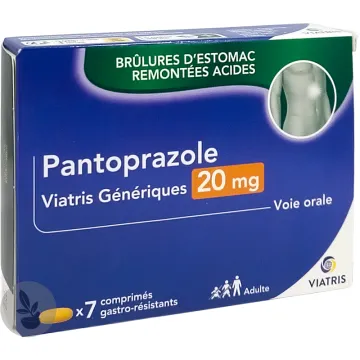
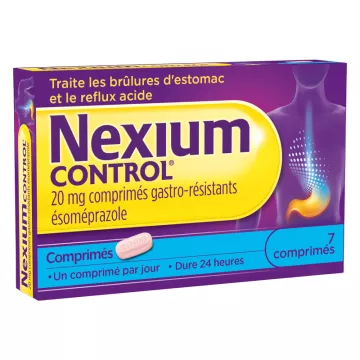
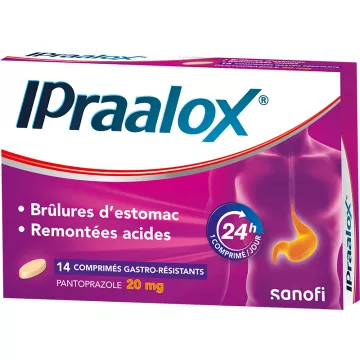
- PPIs (proton pump inhibitors): omeprazole, pantoprazole, esomeprazole — 20–40 mg/day 30 minutes before the first meal — standard treatment for esophagitis — 8 weeks, then reevaluation — risk of Mg and B12 deficiency if taken continuously for > 6 months
- Nissen fundoplication (anti-reflux surgery): surgical reinforcement of the lower esophageal sphincter by wrapping the gastric fundus — laparoscopic — indicated for GERD resistant to PPIs or in cases of large hiatal hernia — 10-year efficacy comparable to PPIs in studies
- Structured anti-reflux lifestyle: weight loss if BMI > 25 (first-line treatment) — smoking cessation — Wait 3 hours before lying down after a meal — Elevate the head of the bed 15 cm with wedges — Wear loose-fitting clothing — Avoid intense physical exertion after meals
- Associatedgastritis: H. pylori is often present in GERD — eradication may improve symptoms — perform a breath test or fecal antigen test before treatment
- Consult a physician if: frequent nocturnal symptoms, unexplained chronic cough, dysphagia, weight loss, bleeding, resistance to PPIs after 8 weeks of adherence — routine endoscopy to screen for Barrett’s esophagus