Why is foot care important?
Foot care is an often-overlooked pillar of daily hygiene. Our feet bear the entire weight of our bodies, walk an average of several kilometers a day, and remain enclosed in shoes for several hours. Without regular care, they are prone to various discomforts: calluses, cracks, fungal infections, and ingrown toenails. Taking care of your feet contributes to comfort while walking, better sleep quality (relaxed feet at the end of the day), the prevention of skin complications, and, for certain populations (people with diabetes in particular), the prevention of more serious complications.
What are some common foot problems, and how can they be prevented?
The most common foot problems include:
- Calluses: thickened skin caused by repeated pressure or friction. Prevention: well-fitting shoes, regular moisturizing. For corns, it’s helpful to consult a pharmacist or podiatrist for proper treatment.
- Fungal infections: common fungal infections (such as athlete’s foot). Keep your feet clean and dry, change your socks daily, and avoid walking barefoot in locker rooms and swimming pools. If symptoms persist, see the page dedicated to foot fungal infections and consult a healthcare professional for guidance.
- Ingrown toenails: Trim nails straight across—do not round the corners or cut them too short. See a podiatrist as soon as a toenail grows into the nail fold and causes pain, redness, or discharge.
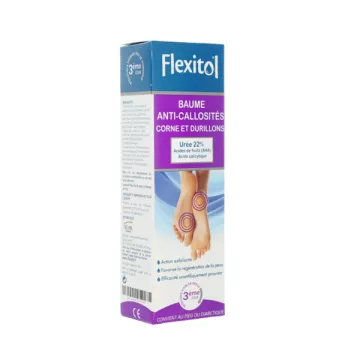
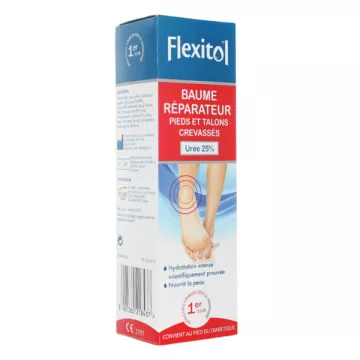
- Dry and cracked feet: moisturize daily and exfoliate gently once a week. For severely dry feet, urea-based treatments with a keratolytic concentration (15–25%) may be helpful; avoid using them on broken skin.
What are the best products for foot care?
For effective foot care, several categories of products are recommended:
- Moisturizing creams: containing urea (5–10% for hydration, 15–25% for a keratolytic effect on very thickened skin), glycerin, shea butter, or sweet almond oil.
- Warm foot baths: with a spoonful of sea salt or a few drops of essential oil (lavender, tea tree) well diluted in a carrier oil. Essential Oil Precautions: Not recommended during pregnancy, while breastfeeding, for children under 7 years of age, or in cases of skin sensitivity.
- Gentle exfoliants: fine-grained, no more than once a week, never on broken skin or where there are cracks.
- Antifungals: creams or powders if a fungal infection is suspected; use as a first-line treatment as advised by a pharmacist; consult a doctor if there is no improvement within 2 to 4 weeks, or if the infection recurs or spreads.
- Pumice stone: to gently smooth calloused areas after a warm bath, without pressing too hard or tearing the skin. Avoid use in at-risk patients (diabetes, peripheral artery disease, neuropathy).
How do you perform foot care at home?
A home pedicure can follow these steps:
- Warm foot bath: Soak feet for 10 to 15 minutes in warm (not hot) water, with a few sea salt crystals if desired.
- Gentle exfoliation: Use a fine-grained scrub, followed by a pumice stone on calloused areas, without applying pressure.
- Nail trimming: Use disinfected scissors to cutnails in a straight line, then gently file the edges.
- Moisturizing: Apply a nourishing cream generously, avoiding the spaces between the toes (an area prone to maceration).
- Self-massage: Apply gentle pressure to the arch of the foot, the heel, and the toes to promote a feeling of warmth and relaxation.
For people with diabetes, vascular risk, or known neuropathy: do not perform invasive procedures (no cutting of corns, no aggressive use of a pumice stone); follow-up at a podiatry clinic is recommended.
What is the ideal frequency for foot care?
A balanced routine generally includes:
- Daily moisturizing, ideally at bedtime.
- Gentle exfoliation once a week.
- A complete treatment (soak, exfoliation, nail trimming, moisturizing, massage) every two to three weeks.
- Occasional or regular professional pedicures as needed.
For people with high-impact lifestyles (athletes, those in standing professions) or those at risk (diabetes, vascular disorders), more frequent treatments and regular podiatric follow-ups are recommended.
What are the benefits of a professional pedicure?
A professional pedicure (performed by a podiatrist) offers several benefits:
- Early detection of skin or nail abnormalities (fungal infections, hyperkeratosis, early-stage ingrown toenails).
- Safe, professional techniques (removal of calluses, treatment of thickened or ingrown nails).
- Personalized advice on daily care routines, footwear, and insoles.
- Hygiene and single-use or sterilized equipment, in accordance with professional standards.
The pedicurist-podiatrist is also the right professional to consult for patients with diabetes, who in France receive specialized care based on their level of podiatric risk.
How do you choose the right shoes for foot care?
Shoes are a key factor in foot comfort:
- Proper fit: neither too tight (compression, friction, corns) nor too loose (instability, blisters).
- Arch support suited to thefoot’s shape (flat, high-arched, or normal).
- Breathable materials (leather, technical fabrics) that reduce moisture buildup and the risk of fungal infections.
- Cushioned insoles and a moderate heel height to minimize impact.
- Try on shoes at the end of the day, when your feet are slightly swollen.
What exercises are good for your feet?
A few simple exercises can help improve the flexibility and comfort of your feet:
- Toe stretches (flexion and extension).
- Self-massage with a soft ball under the arch of the foot.
- Walking on tiptoes to engage the calves and the arch.
- Gripping a towel with your toes to strengthen the intrinsic muscles of the foot.
- Warming up your feet before exercise.
What are the signs of a foot infection, and how should it be treated?
Several signs should raise concern and prompt a medical consultation:
- Extensive redness, swelling, and localized warmth: possible bacterial infection (to be distinguished from simple friction rash).
- Itching, flaking, and cracks between the toes: suggestive of a fungal infection (athlete’s foot).
- Intense pain, discharge, fever: medical emergency.
- Persistent changes in the color or shape of a toenail.
Treatment depends on the diagnosis:
- Antibiotics: Prescribed exclusively by a doctor for confirmed bacterial infections.
- Topical antifungals: available over the counter for early-stage superficial infections, upon the pharmacist’s advice; systemic treatment by prescription for more severe cases (particularly those involving the nails).
- Local care: Clean, dry, and do not cover a suspicious lesion without consulting a healthcare provider.
- Mycological testing: useful in cases of diagnostic uncertainty or treatment failure.
Any infection in a patient with diabetes, a compromised immune system, or peripheral artery disease requires prompt medical evaluation.
How can you prevent blisters on your feet?
Blisters form when repeated friction causes the superficial layer of skin to peel away:
- Wear properly fitting shoes that have been well-broken in before prolonged physical activity (hiking, marathon).
- Choose socks that wick away moisture (technical sports socks without prominent seams).
- Apply an anti-chafing balm or a preventive bandage to high-risk areas (heel, top of the foot, big toe).
- Keep your skin well-moisturized beforehand.
- Rotate your shoes to distribute pressure evenly.
- If a blister has already formed: do not puncture it if it is small and closed. For larger or more bothersome blisters, disinfect and pierce them with a sterile needle, leaving the top of the blister intact to protect the underlying skin, then apply a suitable bandage.
What foot care is recommended for people with diabetes?
People with diabetes need to pay extra attention to their feet due to the risk of diabetic foot ulcers (linked to peripheral neuropathy and arterial disease). Current recommendations include:
- Daily inspection of the feet (top, bottom, between the toes, heels) using a mirror if necessary. Any wound, redness, or changes in the skin or nails require prompt medical attention.
- Gentle hygiene: Wash with lukewarm water (never hot—temperature perception may be impaired by neuropathy), mild soap, and dry thoroughly without rubbing, especially between the toes.
- Moisturize the skin, avoiding the spaces between the toes to minimize maceration.
- Trim nails in a straight line, without cutting too deeply; if in doubt, consult a podiatrist.
- Never use an abrasive pumice stone, a knife, an abrasive file, or products containing salicylic acid (contraindicated) for self-treatment.
- Regular podiatric follow-up, with the frequency determined based on the level of podiatric risk (HAS scale from 0 to 3).
- Wearappropriate shoes with no protruding internal seams and flat, flexible soles. Orthopedic insoles or shoes are prescribed for high-risk patients.
- Any wound, even a superficial one, should be considered a medical emergency in diabetic patients: seek immediate medical attention.
What are the benefits of orthopedic insoles?
Orthopedic insoles can provide significant benefits when prescribed by a doctor and custom-made by a podiatrist:
- Correction of gait abnormalities (flat feet, high arches, overpronation).
- Relief of specific pain (heel pain, plantar fasciitis, metatarsalgia).
- Improved foot support and, indirectly, overall posture.
- Prevention of recurrence following sports injuries.
- Particularly recommended for diabetic patients at high risk of foot complications.
Effectiveness depends on the quality of the preliminary clinical examination and on adaptation to the individual’s foot structure.
How can you relieve corns and calluses at home?
For corns and calluses on healthy skin without vascular risk factors, several steps can be taken at home:
- Soak in warm water for 10 to 15 minutes to soften the skin.
- Gently file the affected area with a pumice stone, without applying pressure or tearing the skin.
- Applya keratolytic cream containing 15–25% urea or salicylic acid in a suitable cosmetic formulation—only on healthy skin and in individuals with no contraindications.
- Systematicmoisturizing after exfoliation.
- Protective pads to reduce pressure on the affected areas.
- Adjust footwear to identify and correct the cause.
Absolute contraindications to self-treatment of corns: diabetes, arterial disease, peripheral neuropathy, coagulation disorders, active infection. In these situations, only a podiatrist or physician should perform the procedure. Do not use a knife or any sharp tools for self-care.