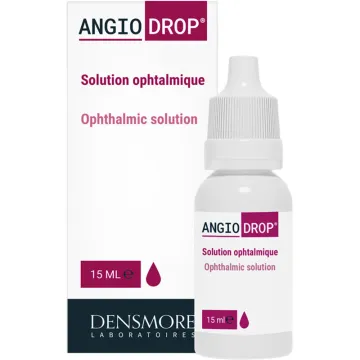
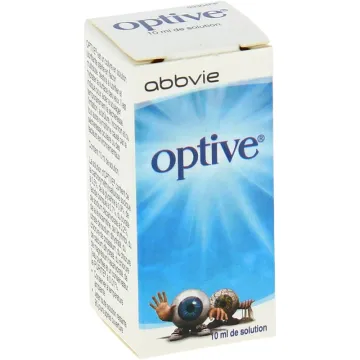
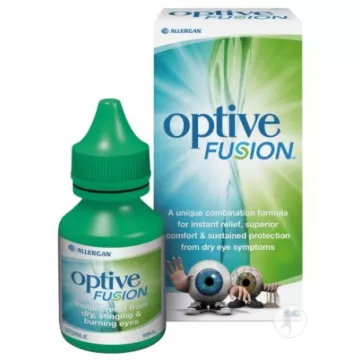
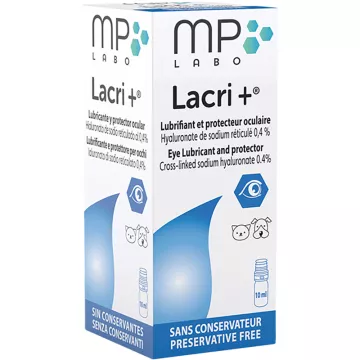
An ocular solution is a sterile liquid preparation whose formulation is designed to mimic the properties of the natural tear film. Three physicochemical parameters are critical: osmolarity (280–320 mOsm/kg), pH (6.8 to 7.8, compatible with the corneal epithelium), and viscosity (adapted to the desired contact time). A hyperosmolar solution exacerbates dryness by drawing water out of the epithelial cells through osmosis. Viscosity determines the dwell time in the conjunctival sac: low (1–2 mPa·s) for frequent comfort instillations, high for severe nighttime dryness.
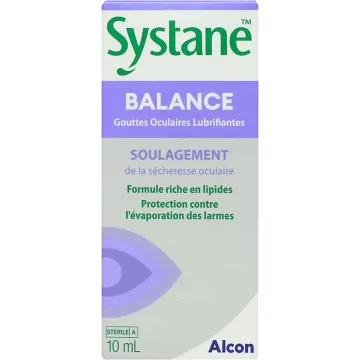
As the standard humectant in comfort eye drops, vegetable glycerin (0.2–1%) captures and retains atmospheric moisture on the conjunctival surface, reducing evaporation of the tear film. By counteracting the chronic tear hyperosmolarity associated with dry eye syndromes, it reduces pro-inflammatory stimulation of epithelial cells. Its compatibility with the conjunctival microbiome is superior to that of propylene glycol. Combined with hyaluronic acid or D-panthenol, it forms the basis of multimodal solutions for mild to moderate dry eye.
As a provitamin B5 that is converted into intracellular pantothenic acid, dexpanthenol (D-panthenol, 0.5 to 2%) stimulates the proliferation and migration of corneal epithelial cells—accelerating the healing of microerosions by 20 to 30% according to cell culture studies. Found in formulations such as Bausch+Lomb Désodrop and Bepanthen Eyes, it improves healing after prolonged contact lens wear and mild keratitis. It is extremely well tolerated in preservative-free single-dose formats, which are preferable for frequent use.
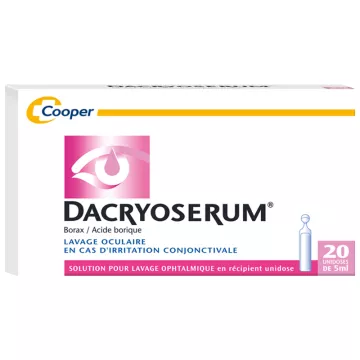
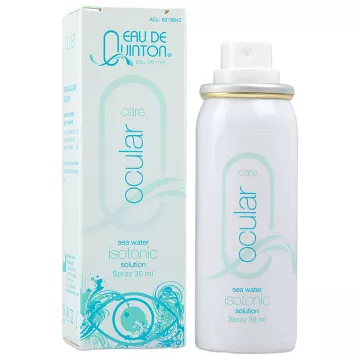
Both solutions have an osmolarity similar to that of tears (290–320 mOsm/kg) but differ in their composition. Saline solution (0.9% NaCl) is a binary solution indicated for routine cleaning and the removal of foreign bodies. Isotonic seawater (Quinton Ocular Care) contains all marine trace elements (magnesium, potassium, calcium, zinc) in their natural proportions—its ionic profile more closely mimics the extracellular environment of conjunctival cells. Solutions based onthermal water also provide soothing minerals and are very well tolerated for daily comfort sprays.
Witch hazel (Hamamelis virginiana, pure distillate) is used as a natural eye care product for its mild astringent action and its ability to reduce conjunctival hyperemia through its hamamelitannins. Its naturally acidic pH (4.5–5) is compatible with the ocular microbiome, and its flavonoids provide antioxidant activity. Use externally on closed eyelids or as a facial spray—never instill directly into the eye without a certified ophthalmic formulation.
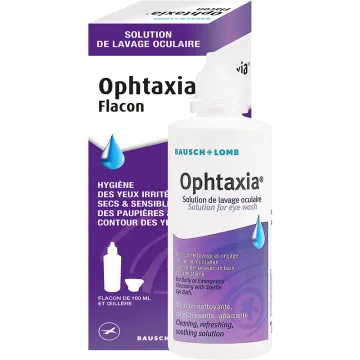
The choice depends on the application area and the intended purpose. For the corneal surface, high-molecular-weight hyaluronic acid solutions lubricate and protect. For epithelial repair after wearing contact lenses or exposure to screens, D-panthenol is the most appropriate choice. For eyelid cleansing and the eye contour area, a preservative-free, ophthalmologically compatible micellar water emulsifies residues without altering the eyelid microbiome. Isotonic thermal water is suitable for refreshing sprays throughout the day.