Burnout is a syndrome resulting from unmanaged chronic stress, defined by the World Health Organization as a work-related phenomenon characterized by three dimensions: emotional exhaustion (extreme fatigue, feeling drained), cynicism or detachment (distancing oneself from work and others), and a reduced sense of personal fulfillment. Physical symptoms include persistent fatigue that is not relieved by rest, sleep disturbances, headaches, and recurring muscle tension. Cognitively and emotionally, symptoms include difficulty concentrating, irritability, loss of motivation, and sometimes a sense of hopelessness or detachment. Mental exhaustion (cognitive overload, difficulty processing information) and physical exhaustion (profound physical fatigue) are complementary aspects of this condition.
Burnout results from a prolonged imbalance between demands (workload, pressure, responsibilities) and the resources available (recovery time, support, recognition) to cope with them. The most well-documented risk factors include chronic work overload, a lack of control over one’s work, a lack of recognition, values that conflict with those of the organization, and a lack of social support. Prevention relies on early recognition of warning signs (increased fatigue despite rest, frequent irritability, loss of interest in activities that are usually enjoyable), realistic time management with clearly defined priorities, and the regular practice of relaxation techniques (cardiac coherence, meditation). Maintaining strong social support—from colleagues, loved ones, and professionals—acts as a major protective factor documented in the scientific literature on burnout.
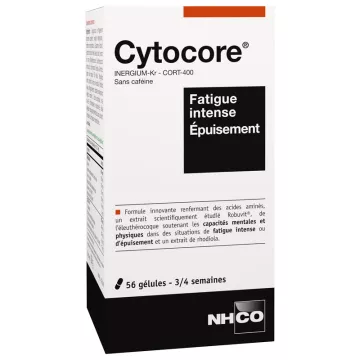
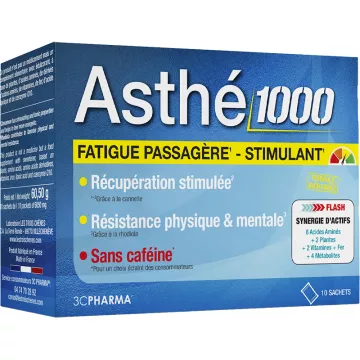
Recovery from burnout begins with rest and a reassessment of workloads and priorities—no supplement can replace this essential realignment. As a supportive measure, rhodiola (an adaptogen—standardized for rosavins and salidroside) is the most well-documented herbal remedy for managing burnout related to chronic stress: it improves physical and mental resilience, reduces cognitive fatigue, and gradually restores motivation—take it in the morning (mild stimulating effect); contraindicated in bipolar disorder and agitation. Ginseng (Panax ginseng—standardized ginsenosides) supports physical and mental endurance during periods of overexertion—contraindicated in uncontrolled hypertension, pregnancy, and severe insomnia. Magnesium bisglycinate (300 mg/day) corrects the near-universal deficiency seen in chronic stress, reducing nervous hyperexcitability and improving sleep recovery. Vitamin B12 and the B-complex vitamins support cellular energy production and neurotransmitter synthesis, which are often deficient during prolonged exhaustion. Vitamin C and vitamin D3 support the adrenal glands, which are heavily taxed by chronic stress. Severe, prolonged exhaustion or exhaustion associated with depressive symptoms requires medical and psychological support—these supplements aid in recovery but are not a substitute for such care.