


Emotional well-being refers to the ability to experience and navigate one’s emotions in a balanced way—recognizing them without being overwhelmed, managing stress without letting it erode quality of life, and maintaining a positive outlook in the face of challenges. It differs from clinical mental health in that it is a dynamic resource that can be cultivated on a daily basis, rather than simply the absence of a disorder. Strong emotional well-being improves resilience, strengthens relationships, supports cognitive performance, and reduces the risk of chronic diseases by modulating the stress-related inflammatory response. On a neurochemical level, it relies on the balance of serotonin (serenity), dopamine (motivation), GABA (calm), and endorphins (pleasure and social connection). Insufficient sleep is one of the most detrimental factors for emotional well-being—when sleep falls below 7 hours, amygdala reactivity increases significantly and emotional regulation deteriorates. Regular meditation is the most well-documented behavioral intervention for sustainably improving emotional well-being.
Emotional well-being deteriorates gradually—rarely all at once. Early warning signs include:
If these symptoms persist for more than two weeks or worsen, it’s important to see a doctor to rule out depression, an anxiety disorder, or an underlying medical condition. These complementary approaches are not a substitute for medical or psychological care if a disorder has been diagnosed.
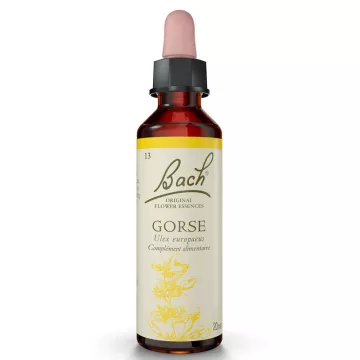
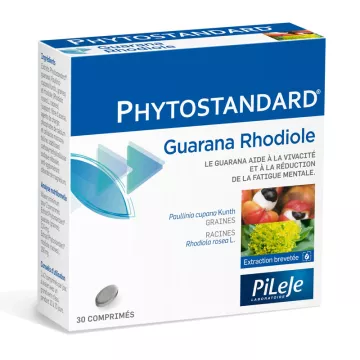
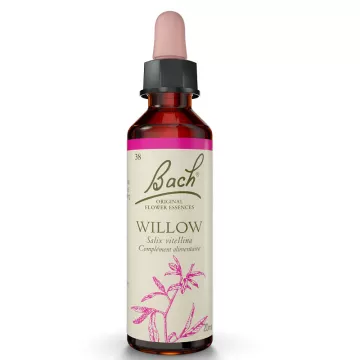
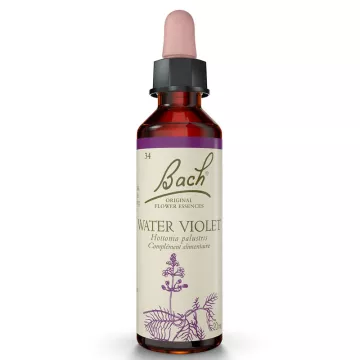
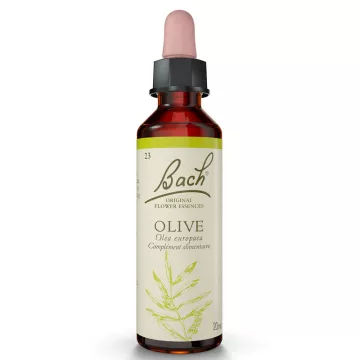
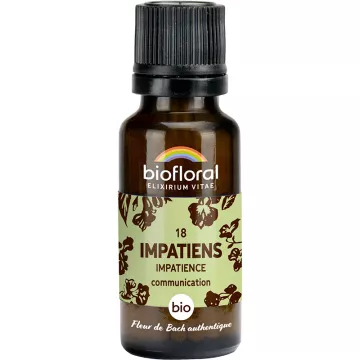
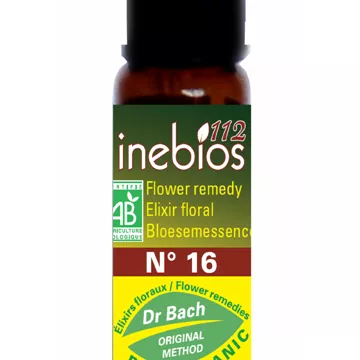
Bach Flower Remedies offer targeted support for specific emotional states that undermine well-being—each flower addresses a specific pattern (resentment, hidden anxiety, discouragement, unexplained sadness) without drug interactions, taken as 4 drops under the tongue 4 times a day for a 3- to 4-week course. From a neurochemical perspective, Griffonia (5-HTP—a serotonin precursor) is the most well-documented active ingredient for supporting mood and reducing rumination—absolute contraindication with SSRIs, SNRIs, tramadol, and St. John’s wort. Magnesium bisglycinate (300 mg/day) reduces stress-related emotional hyperreactivity and improves sleep quality. Omega-3 EPA-DHA (1 to 3 g/day—EFSA claim) modulates brain inflammation and supports mood regulation. Rhodiola (adaptogen—rosavins and salidroside) restores emotional resilience in the face of chronic stress—morning only; contraindicated in bipolar disorder. The Mediterranean diet, regular physical exercise (30 min/day), and mindfulness practices form the essential behavioral foundation for any complementary support.