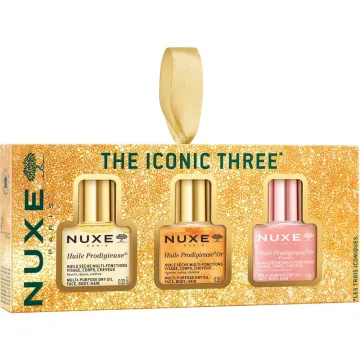
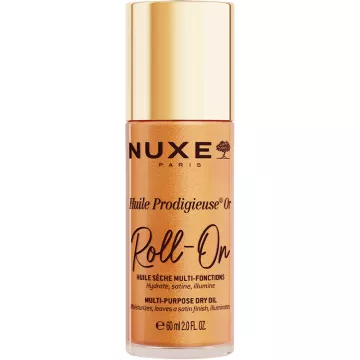
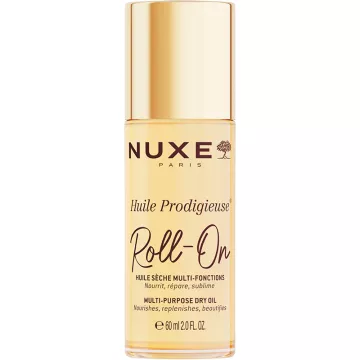
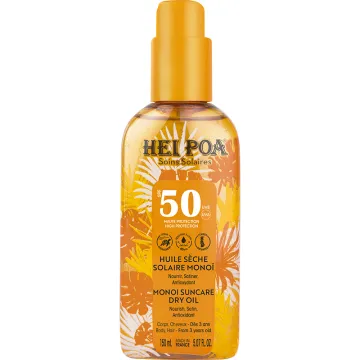
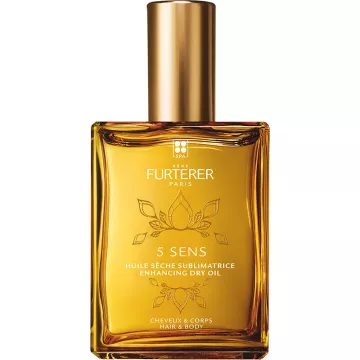
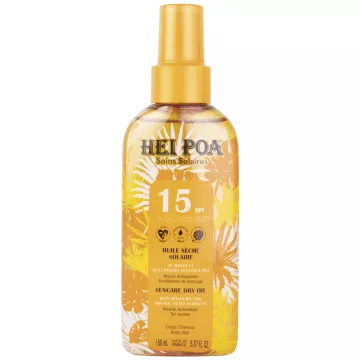
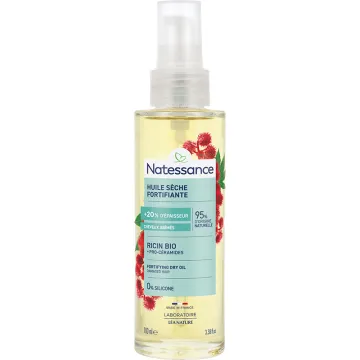
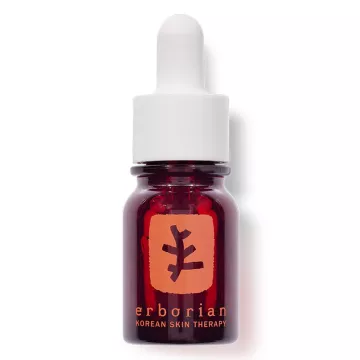
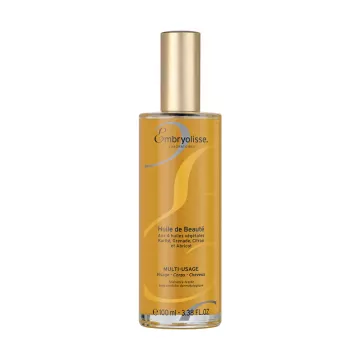
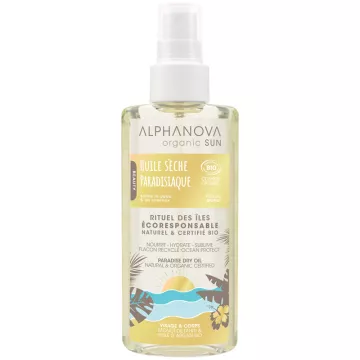
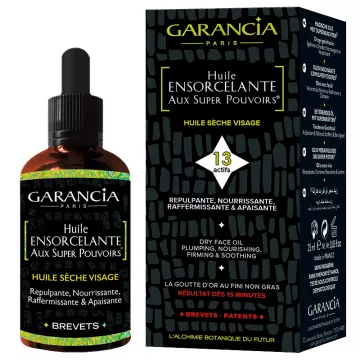
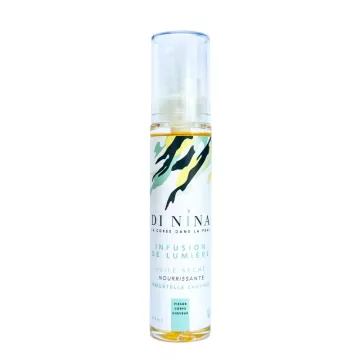
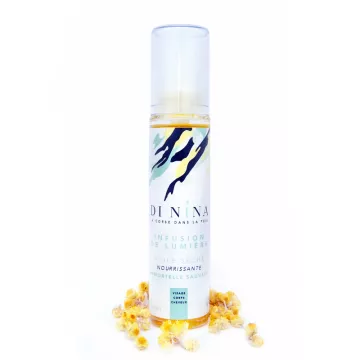
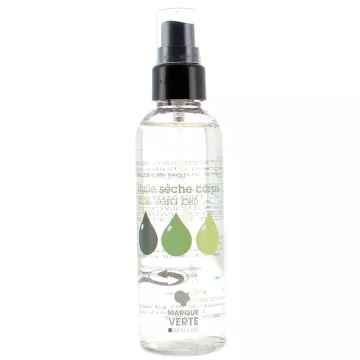
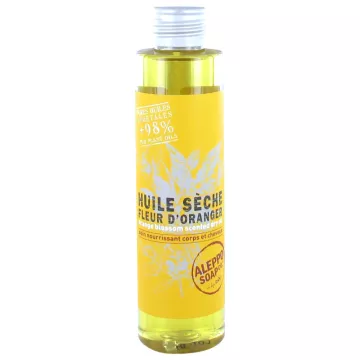
Dry oil is a lightweight cosmetic oil designed to moisturize the skin or hair without leaving a greasy finish. Unlike richer oils, it absorbs quickly and leaves a powdery, almost matte finish. It is most often made up of lightweight plant-based oils (grape seed, hazelnut, rice bran, jojoba) selected for their ability to penetrate the skin quickly.
When using it, just a few drops are enough, applied to slightly damp skin right after a shower: body heat helps the oil absorb. On the hair, dry oil can be used either as a nourishing pre-shampoo treatment or as a styling finish on dry hair to add shine and tame frizz.
Dry oil offers numerous benefits, especially for those who prefer a non-greasy feel:
To choose the right dry oil, it’s best to consider your skin type:
A few common pitfalls can limit the effectiveness of a dry oil:
Dry oil has found its place in modern beauty routines thanks to a rare combination: enveloping lipid hydration paired with an ultra-comfortable finish. It’s suitable for daily use, summer and winter alike, and works just as well for a quick routine as it does for a more indulgent treatment. It fits easily into a gym bag or travel kit and works just as well as part of a post-shower body routine as it does as a finishing touch for your hair.
When used regularly, a well-chosen dry oil helps maintain long-lasting skin comfort. Its high content of essential fatty acids helps strengthen the hydrolipidic film, while its natural antioxidants (vitamin E, polyphenols) help keep the skin supple and radiant in the face of external aggressors. Over the long term, it supports superficial skin renewal and helps achieve a more even skin texture, though it does not replace sunscreen or dermatological care for specific skin concerns.
Yes,dry oil layers very well. On the face, it can be applied after serum and before moisturizer, or a few drops can be mixed into foundation for a more luminous finish. On the hair, it blends easily with a hair mask to intensify its conditioning effects and pairs nicely with a scalp massage. To ensure the formulas are compatible, it’s best to start with a small amount and adjust based on how it feels.
Dry oil and serum are complementary rather than competing. A serum is generally a water-based or gel formula with a high concentration of targeted active ingredients (hyaluronic acid, vitamin C, niacinamide). Dry oil, on the other hand, is a fluid, lipid-based formula that focuses on hydration and nourishment through lipids. In an optimized routine, you first apply the serum to clean skin, then seal in the moisture with a few drops of dry oil.
Dry oil works for most hair types, but the amount and frequency of use vary depending on the hair’s texture. For fine hair, one to two drops are sufficient, applied only to the ends to avoid weighing the hair down. For thick, curly, or coily hair, a more generous amount can be applied to the lengths to soften, coat, and add shine. Lightweight oils likeapricot oil orrice bran oil are particularly popular for finishing hairstyles.
Although generally well-tolerated,dry oil may cause individual reactions, particularly in people allergic to nuts or certain plants. A patch test before first use is a good precaution. If you have a progressive skin condition (eczema, psoriasis, dermatitis) or particularly sensitive skin, it is recommended to consult a dermatologist before introducing a new cosmetic product. In the event of a severe allergic reaction (swelling of the face, difficulty breathing suggestive of angioedema), call 15 or 112. For a complete body care routine, incorporating dry oil into a broader approach to nourishing the body enhances daily hydration.