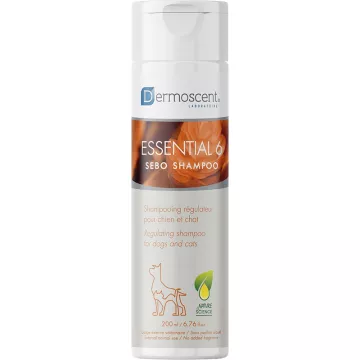
Dog shampoo is formulated to match a dog’s skin pH (5.5 to 7), which is quite different from human skin pH (4.5 to 5.5). Human shampoo disrupts a dog’s hydrolipidic film, leading to dry skin, secondary infections, and itching. Dogs have a thinner stratum corneum than humans—their skin is relatively more permeable to topical active ingredients. The optimal frequency varies depending on coat type: every 4 to 6 weeks for a short-haired indoor dog, more often for a hunting dog or a very active dog. The skin barrier is the body’s first line of defense—an unsuitable shampoo or shampooing too frequently weakens it and increases the risk of atopic dermatitis.
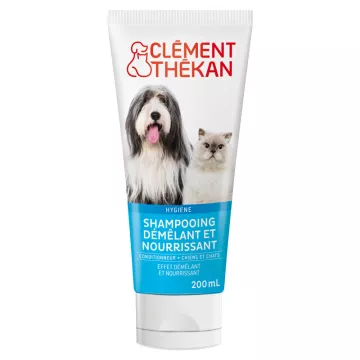
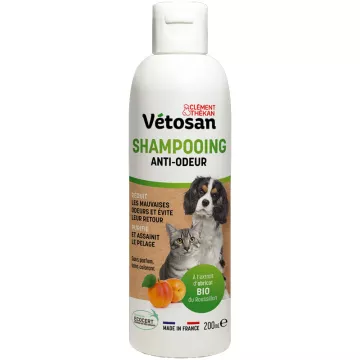
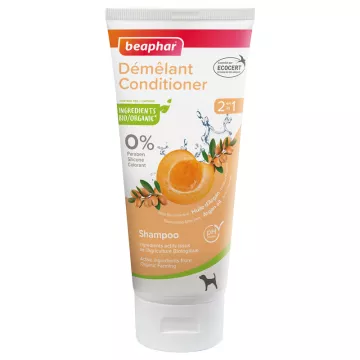
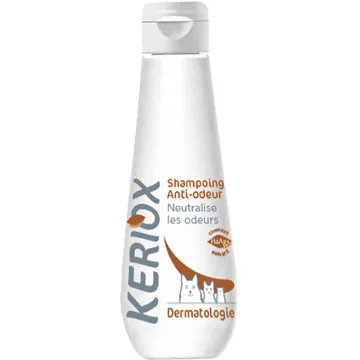
The range of dog shampoos covers a wide variety of uses:
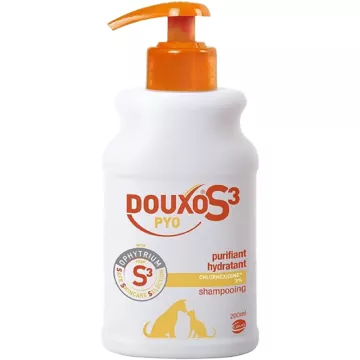
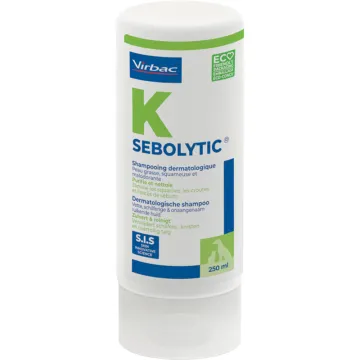
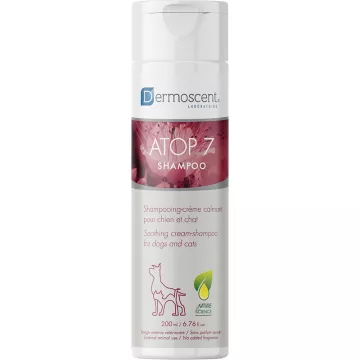
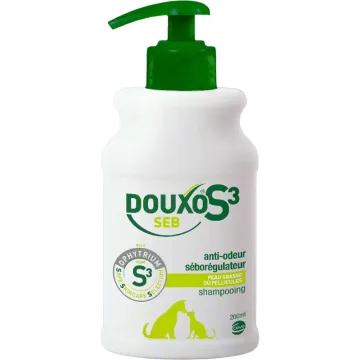
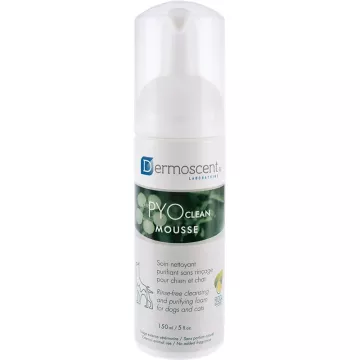
Medicated shampoos are intended for specific conditions. Chlorhexidine (0.5–3%) + climbazole shampoo treats bacterial pyoderma and Malassezia superinfections. Keratolytic shampoo (salicylic acid, sulfur) treats seborrhea and skin flaking. Dry skin shampoo (urea, lactic acid, glycerin) moisturizes and promotes skin renewal in xerotic skin. Soothing cream shampoo (phytosphingosine + calibrated essential oils) is indicated for chronic atopic dermatitis. These shampoos require a contact time of 5 to 10 minutes before rinsing—their use should be guided by a veterinarian for severe cases.
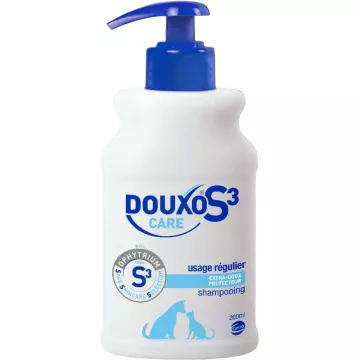
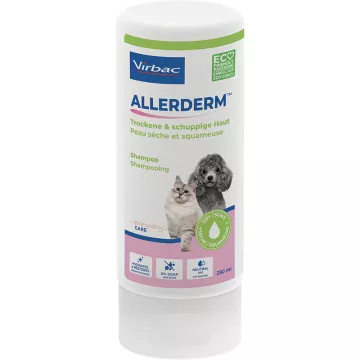
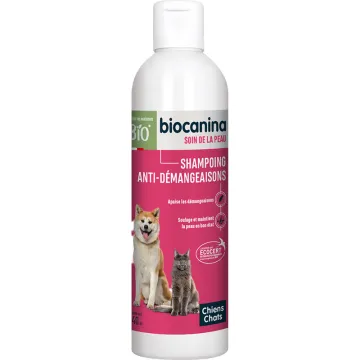
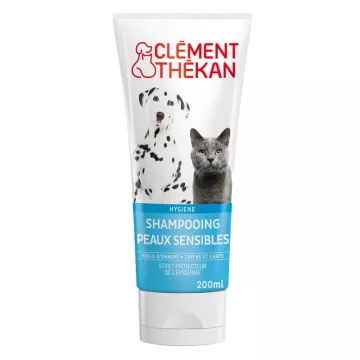
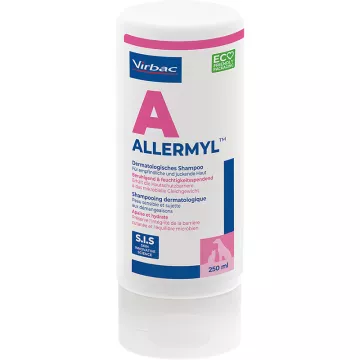
Dogs with atopic dermatitis have a compromised skin barrier—their skin allows allergens to pass through and loses more water than normal. The ideal shampoo is free of synthetic fragrances and irritating preservatives (MIT/CMIT), has a slightly acidic pH, and is enriched with restorative lipids (phytosphingosine, ceramides) and soothing agents (oats, bisabolol).Argan oil (unsaturated fatty acids, natural vitamin E) is a lipid-repairing active ingredient compatible with dermatological formulas for dogs with atopic dermatitis. Frequent baths with a mild shampoo are sometimes recommended to remove allergens that have settled on the coat in dogs suffering fromseasonal pollenallergies.
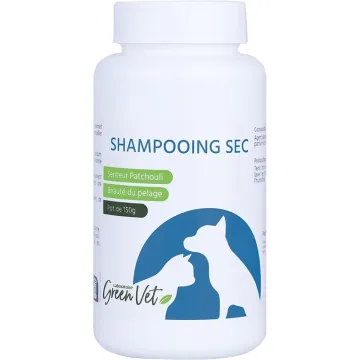
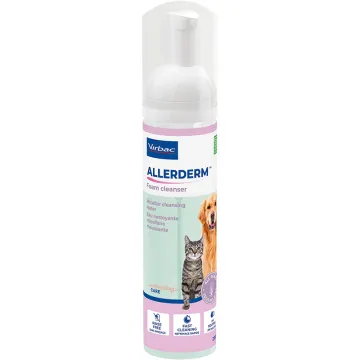
Dry shampoo, whether in powder or spray form, is useful between full baths, for sick or weakened dogs, and for occasional outings. Powdered formulas (cornstarch, absorbent talc, kaolin clay) absorb excess sebum and odors—apply them to the dry coat, massage in, then brush out. Neither the pet nor the owner should inhale the powder. If used regularly, monitor for residue buildup in skin folds (underarms, groin), as this can irritate the skin.