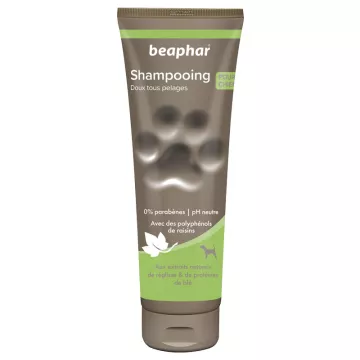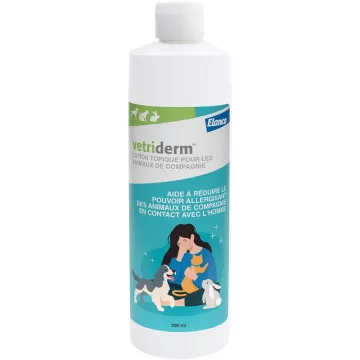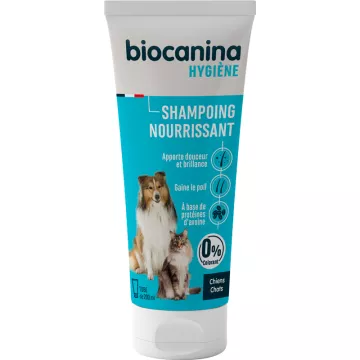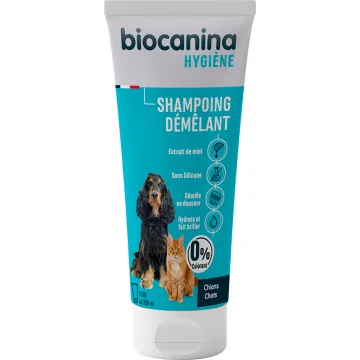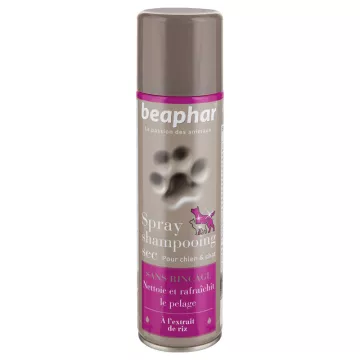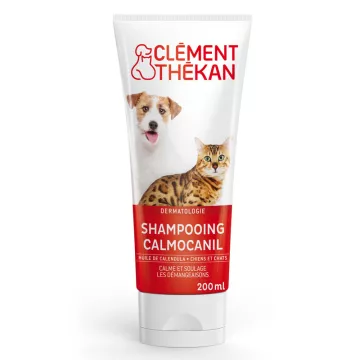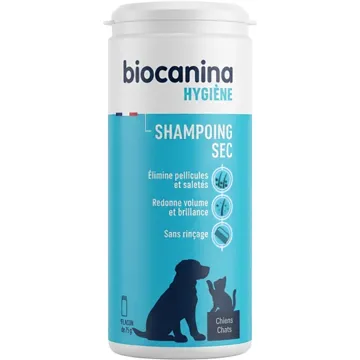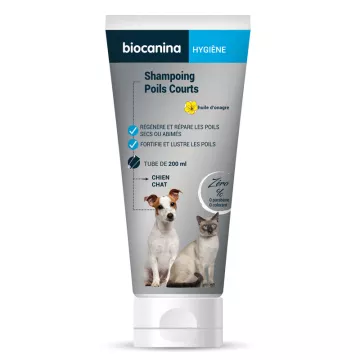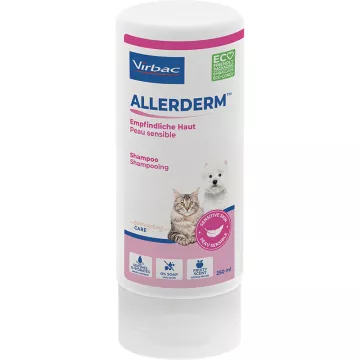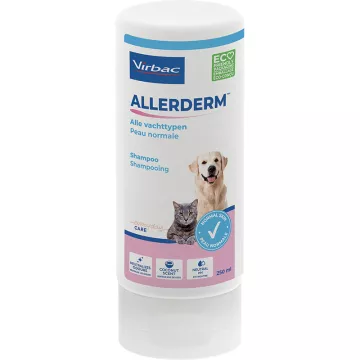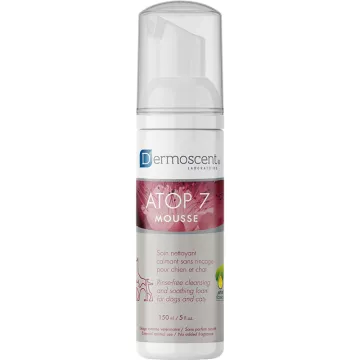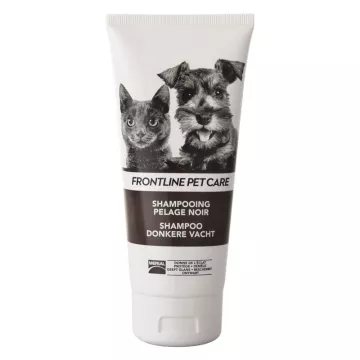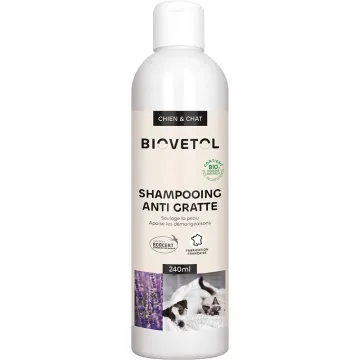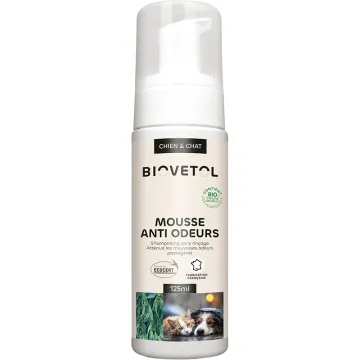
Shampoo for dogs with sensitive skin differs from standard gentle shampoos in that it has an even more restricted formulation: fragrance-free, dye-free, free of irritating preservatives (MIT, CMIT, parabens), pH-neutral (6.5–7), and free of anionic surfactants (SLS/SLES, replaced by ultra-mild amphoteric surfactants). These formulas are designed for dogs with sensitive skin or atopic dermatitis, in whom even the slightest unsuitable surfactant can aggravate inflammation and damage the skin barrier. The anti-allergic lotion for pets (natural antihistamine, anti-itching extracts) complements the treatment by reducing the local inflammatory response without systemic effects—it can be applied between baths to areas of localized itching.
Phytosphingosine is a natural ceramide produced by the skin under normal conditions—its concentration is significantly reduced in atopic dogs, contributing to skin barrier dysfunction. Foams and shampoos enriched with phytosphingosine restore the lipid barrier by replenishing the ceramide deficiency, reducing transepidermal water loss (TEWL) and hypersensitivity to environmental allergens. These formulas should be used 2 to 3 times a week for dogs with chronic atopic dermatitis, or after each exposure to a triggering allergen (pollen, grass, dust). The irritated skin of a dog with atopic dermatitis responds favorably thanks to the direct anti-pruritic effect of sphingolipids on the skin’s nerve endings.
A hypoallergenic shampoo for dogs with atopic dermatitis must meet strict criteria:
Bathing frequency can be increased (2 to 3 times a week) for dogs with severe allergies—contrary to popular belief, frequent baths with ultra-mild formulas remove surface allergens without damaging atopic skin. These hypoallergenic formulas can be used for life in cases of severe chronichypersensitivity.
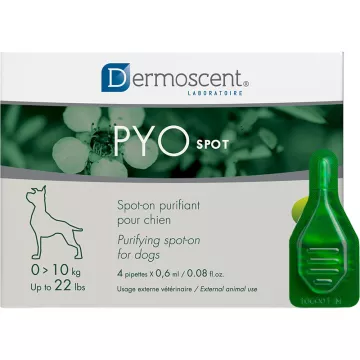
The purifying spot-on treatment for skin infections (diluted chlorhexidine + salicylic acid + mild surfactant, in a 4-ml pipette) is applied directly to specific infected areas (between the toes, skin folds, scratching spots) between baths—without rinsing or prolonged contact time. This targeted approach is suitable for dogs with sensitive skin that cannot be bathed frequently. The spot-on treatment maintains topical treatment of active lesions between medicated shampoo sessions, optimizing the overall effectiveness of the dermatological protocol.
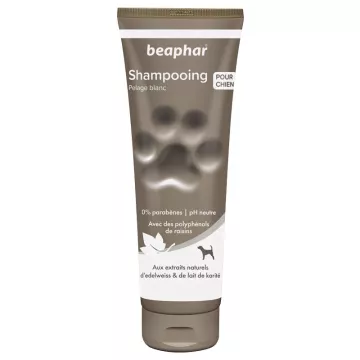
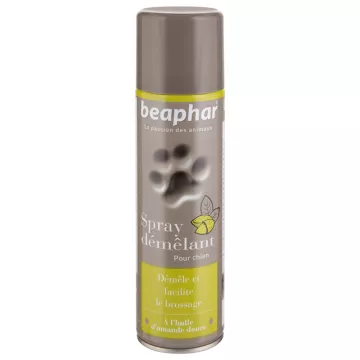
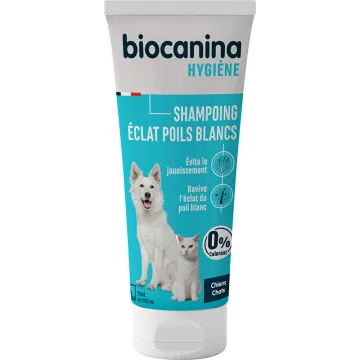
The sweet almond detangling spray is applied to damp or dry fur before brushing—its active ingredients (hydrolyzed keratin, panthenol, plant-based silicones) reduce friction between hairs, make detangling easier, and add shine without weighing down the coat. Coconut oil (medium-chain triglycerides, lauric acid) penetrates deep into the hair shaft—more effective than non-functional silicones for dry and brittle hair. Shampoos for white coats (blue-tinted optical pigments) neutralize yellowish tones without permanent coloring—use them alternately with your dog’s regular shampoo, not at every bath.
Any medicated shampoo (chlorhexidine + antifungal, keratolytic, intensive phytosphingosine) must be prescribed or approved by a veterinarian. Situations requiring a consultation before any topical treatment: diffuse or patchy alopecia, persistent crusty or weeping lesions, intense skin odor (secondary infection), severe pruritus resistant to mild formulas, suspected sarcoptic or demodectic mange. The wrong shampoo can mask an underlying condition and delay diagnosis. Pets whose skin health is monitored regularly avoid the vast majority of severe chronic ear infections and skin diseases.