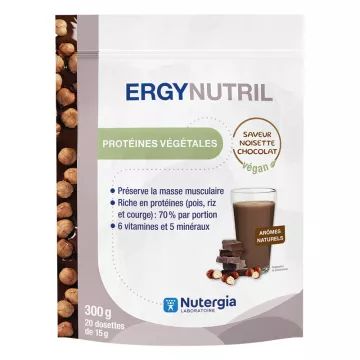
What is an elimination diet, and what are the risks?
An exclusion diet eliminates one or more entire food groups for medical, ethical, or weight-management reasons. Unlike calorie-restricted diets, they eliminate entire sources of nutrients, creating risks of specific deficiencies that are often underestimated:
- Vegan diet: excludes all animal products. Documented risks of deficiencies in vitamin B12, DHA, heme iron, zinc, calcium, and iodine.
- Gluten-free diet: essential for people with celiac disease, but may reduce intake of fiber, B vitamins, and magnesium if whole grains are not adequately replaced.
- Strict ketogenic diet (< 20 g of carbohydrates per day): risks of deficiencies in fiber, potassium, magnesium, and water-soluble vitamins.
Compensatory dietary diversification and targeted supplements are essential to prevent deficiencies in any exclusion diet.
What supplements are essential in a vegan diet?
Several supplements are medically essential in a vegan diet:
- Vitamin B12 (methylcobalamin): Since it is not found in plants, daily supplementation (25 to 50 µg/day) or weekly supplementation (2,000 µg/week) is essential. A deficiency leads to irreversible neuropathy—it is the only supplement without which a prolonged vegan diet is medically dangerous.
- Omega-3 DHA from microalgae: Plant-based ALA (flax, chia) is converted to DHA with less than 5% efficiency. Supplementation with microalgal DHA (250 to 500 mg/day) is recommended for brain and cardiovascular health.
- Vegan vitamin D3 (from lichens): the D3 form is the most bioavailable. Usual dose: 1,000 to 2,000 IU/day for prevention.
- Zinc, iron, calcium, and iodine: reduced bioavailability in plant-based foods (phytates, oxalates)—annual blood testing is recommended.
Does the Mediterranean diet really protect the heart?
The Mediterranean diet is the best-documented diet for cardiovascular prevention. The PREDIMED study (7,447 participants, 5 years) demonstrated a 30% reduction in major cardiovascular events among participants following this diet enriched with extra-virgin olive oil or nuts. Its protective mechanisms:
- Polyphenols in olive oil (oleocanthal, oleuropein): anti-inflammatory properties comparable to low-dose ibuprofen.
- Omega-3 EPA/DHA from fatty fish: reduction in triglycerides and endothelial inflammation.
- Fiber from legumes and whole grains: improved blood sugar control and reduced LDL cholesterol.
Is a low-carb diet suitable for people with diabetes?
A low-carbohydrate diet (<130 g/day) is the best-documented dietary approach for managing type 2 diabetes:
- A reduction in HbA1c of 0.5 to 1.5% over 6 to 12 months, according to clinical trials—an effect comparable to or greater than that of certain oral antidiabetic medications.
- Reduction in postprandial blood glucose spikes by directly limiting insulin secretion.
- Associated abdominal weight loss: visceral fat is mobilized first, reducing insulin resistance.
Caution: For individuals on insulin or sulfonylureas, this type of diet requires medical adjustment of doses—risk of severe hypoglycemia. It must be initiated under medical supervision.
What impact do diets have on the gut microbiota?
Within just 3 to 5 days of changing one’s diet, the composition of the microbiota changes significantly:
- Vegan diet: increases levels of Prevotella and Faecalibacterium prausnitzii (which produce anti-inflammatory butyrate).
- Ketogenic diet: reduces Bifidobacterium by decreasing prebiotic fiber. Probiotic supplementation is recommended to maintain microbial diversity.
- Mediterranean diet: increases overall microbial diversity—the most favorable documented impact on the microbiota.
How should you choose a diet based on your health profile?
Choosing the right diet takes into account your medical, nutritional, and behavioral profile:
- Sustainable weight loss: the Mediterranean diet or moderate calorie restriction—best evidence of adherence at 2 years.
- Type 2 diabetes: low-carb diet under medical supervision—the greatest documented reduction in HbA1c.
- Cardiovascular prevention: Mediterranean diet—the only diet with a documented reduction in cardiovascular mortality in a Phase 3 study.
- Vegan diet: routine supplementation with vitamin B12, algal DHA, and vitamin D3, along with annual laboratory monitoring.
- Irritable bowel syndrome: low-FODMAP diet (under dietary supervision)—reduction in symptoms in 75% of cases.