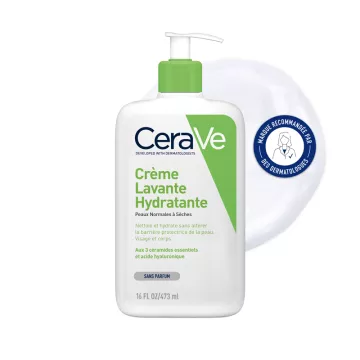
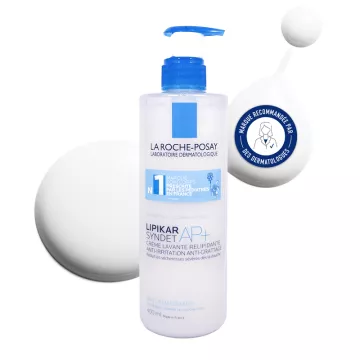
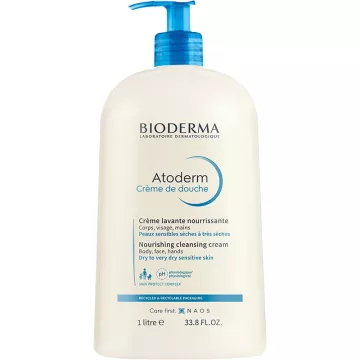
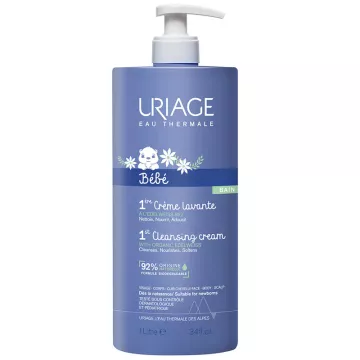
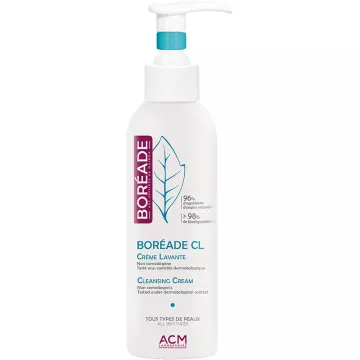
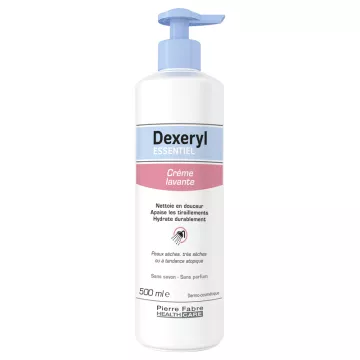
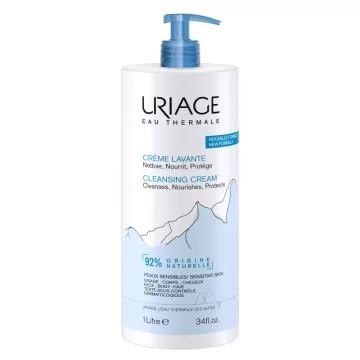
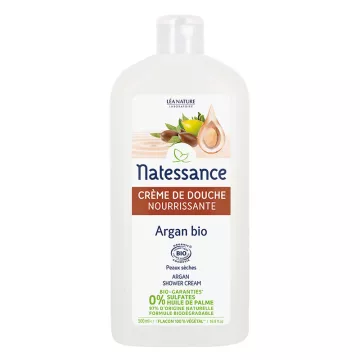
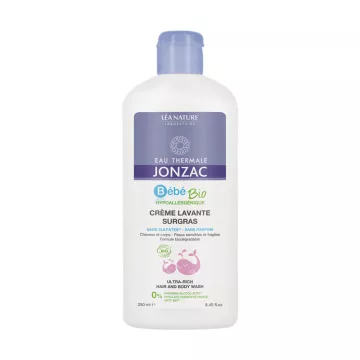
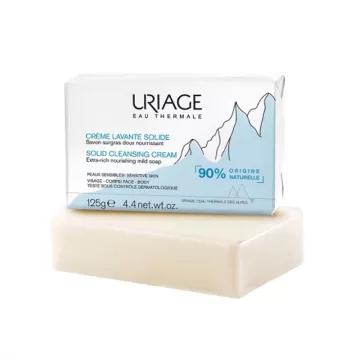
What is a cleansing cream, and how is it different from a cleansing gel?
A cleansing cream is the gentlest and richest formulation of body cleansers—an emulsion in which cleansing agents are combined with a significant amount of fatty substances. Whereas a cleansing gel has a light, watery texture, a cleansing cream has a rich, creamy texture—almost like a moisturizer that also cleanses.
- Cleansing gel: water-based, moderate lather, absorbs quickly—for sensitive skin that prefers a light feel
- Cleansing cream: rich emulsified base, little or no lather, creamy feel—for very dry skin, severe atopic dermatitis, the elderly, and skin weakened by treatments
- Some formulations of cleansing cream can be used without rinsing (baby cleansing bath, people with limited mobility)
- Target pH: 5–5.5 — same requirement as gels, but the high lipid content better compensates for moisture loss during cleansing
Who really needs a cleansing cream instead of a shower gel?
Cleansing cream is the go-to cleanser in situations where the skin barrier is severely compromised.
- Severe atopic skin (eczema): Cleansing cream replaces even ultra-rich shower gels—specific product lines (Avène XeraCalm, La Roche-Posay Lipikar Cleansing) are formulated for flare-ups and daily care
- Elderly individuals: Aging skin irreversibly loses its lipids—cleansing cream is the gentlest option, often requiring no rinsing
- Infants and babies (atopic or very dry skin): a specific, fragrance-free, no-rinse cleansing cream, as recommended by a pediatrician
- Skin undergoing chemotherapy or radiation therapy: extreme weakening of the skin barrier—a cleansing cream prescribed by a dermatologist is often the only formula tolerated
- Sensitive skin with constant tightness: even a super-emollient gel is no longer sufficient
What ingredients define a good cleansing cream?
The richness of lipid-based active ingredients distinguishes a true dermatological cleansing cream from marketing-driven “creamy” cleansers.
- Plant oils (sweet almond, jojoba, sunflower): replenish the lipid barrier during cleansing—at higher concentrations than in a superfatted gel
- Colloidal oats: an anti-itch active ingredient that restores the skin barrier—the gold standard for atopic skin in specialized cleansing creams
- Glycerin + urea: deep moisturizers—urea improves the permeability of the skin barrier in chronically very dry skin
- Ultra-mild surfactants (PEG-free, nonionic): cleanse without stripping the skin of its natural oils—present in smaller quantities in cleansing creams compared to gels
- Fragrance-free, MIT-free, EDTA-free: dermatological cleansing creams systematically eliminate the most common sensitizing agents
How to use a cleansing cream daily?
- Apply to dry or slightly damp skin depending on the formulation—some cleansing creams are applied like a cream, emulsified with a little water, and then rinsed off
- Other “no-rinse” formulas: spread onto the skin with a cotton pad or soft glove, then wipe off without water—for those with limited mobility or very sensitive skin
- Use lukewarm water only—same rule as for all dermatological cleansers
- Pat dry, then apply an emollient or balm immediately afterward
- For atopic skin maintenance: cleansing cream in the morning + emollient balm—the cleansing cream in the evening can replace both shower gel and body lotion in a single step
- See our body care line