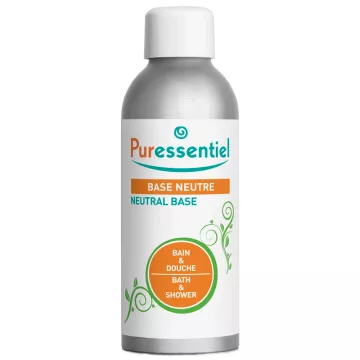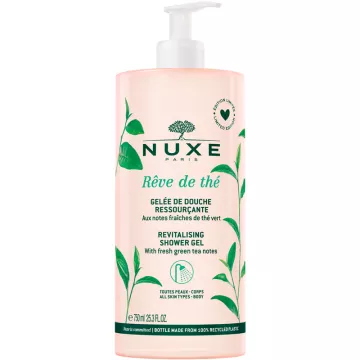
A cleansing base is an essential component of skin and hair care products.
It is found in the formulations of shampoos, body washes, liquid soaps, and facial cleansers, where it serves as the primary cleansing base.
Its main function is to remove impurities, sebum, and residue without damaging the skin barrier or the scalp.
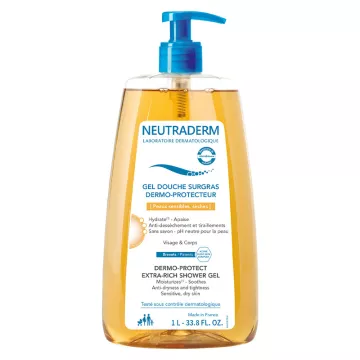
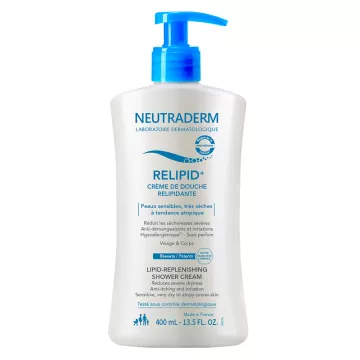
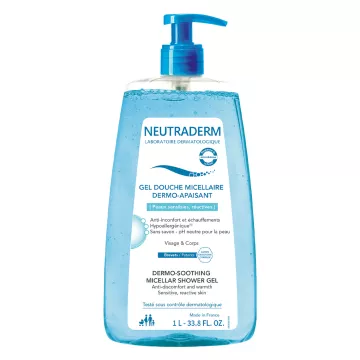
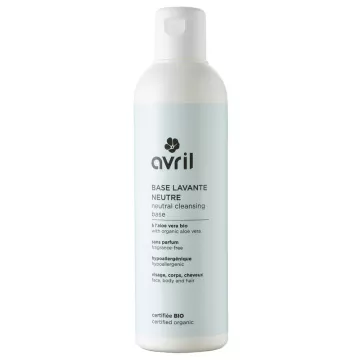
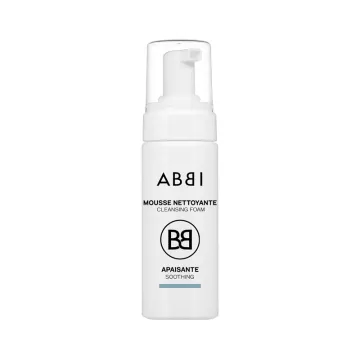
Designed to be gentle, it’s suitable for frequent use and all skin types, including the most sensitive; browse our selection of shower gels at our online pharmacy.
Choosing the right cleansing base depends on several technical criteria:
First, identify your skin type (oily, combination, dry, sensitive) and your specific needs (hydration, soothing, purifying action).
Opt for gentle cleansers free of harsh sulfates (SLS, SLES) and enriched with moisturizing agents such as aloe vera, coconut oil, or glycerin.
Products labeled as organic or eco-friendly often feature formulas that are gentler on the skin and the environment, with short, easy-to-understand ingredient lists.
Concentrated sulfates such as Sodium Lauryl Sulfate (SLS) and Sodium Laureth Sulfate (SLES) are powerful surfactants used in many common cleansing products.
While highly effective at producing lather, they can dry out or irritate the skin and scalp in people with sensitive skin or when used very frequently.
A sulfate-free cleansing base, formulated with mild surfactants (coco-glucoside, decyl-glucoside, coconut betaine), better preserves the skin’s natural moisture.
It is particularly well-suited for sensitive, reactive, or atopic skin, as well as for daily use on the face, body, and hair.
A natural cleansing base offers several distinct benefits.
It is generally gentler on the skin and minimizes the risk of allergies and irritation, making it particularly suitable for the most sensitive skin types.
Its minimalist formulation comes with a better environmental profile, often featuring eco-designed packaging and raw materials sourced from sustainable supply chains.
Natural cleansing bases are frequently enriched with plant extracts and cosmetic actives that offer additional benefits (hydration, soothing, and support for skin regeneration).
Incorporating a cleansing base into your skincare routine is simple and can be adapted to any use.
For the face and body, apply a small amount to damp skin, massage gently in circular motions, then rinse thoroughly with lukewarm water.
For the hair, apply to wet hair, massage the scalp and hair shafts, work into a light lather, then rinse thoroughly to remove all residue.
Complete your routine with products tailored to your skin or hair type (moisturizer, balm, mask) to maximize the benefits of gentle cleansing.
The pH of a cleanser plays a key role in the product’s skin tolerance.
The natural pH of healthy skin ranges from 4.5 to 5.5 depending on the area of the body; a cleanser should be close to this range so as not to disrupt this balance.
An appropriate pH helps preserve the skin barrier and reduces the risk of irritation, tightness, or dryness after washing.
Look for the label “physiological pH” on the packaging, especially for sensitive skin, babies, or when using the product very frequently.
A multipurpose cleanser can indeed be used for both the face and body, under certain conditions.
It must be specifically formulated to respect the sensitivity of facial skin, which is thinner than the skin on the body.
A gentle, moisturizing cleanser that is free of concentrated sulfates and has a balanced pH is suitable for daily cleansing of both areas.
However, skin with specific concerns (acne, eczema, or particularly dry skin) often benefits from targeted products formulated exclusively for the face or the body.
Several specific criteria help identify a high-quality cleanser:
A gentle formula, free of harsh sulfates, enriched with natural and nourishing ingredients (plant oils, botanical extracts, proteins).
A balanced pH, close to the skin’s natural pH (4.5–5.5), explicitly stated on the packaging.
The presence of organic or eco-friendly certifications (COSMOS, Ecocert, Cosmébio) indicates a focus on the selection of raw materials andenvironmental impact.
Read the INCI list carefully and prioritize products recommended by healthcare professionals or those with verified reviews.
A gentle, sulfate-free cleansing base is generally suitable for all hair types, including colored, dry, or damaged hair.
It cleanses without drying out the hair strands or irritating the scalp, making it a versatile option for most hair types.
For specific needs (nourishing dry hair, controlling oil in oily hair, protecting color-treated hair), choose a formula enriched with targeted active ingredients.
For a complete selection tailored to your needs, browse our gentle shampoo section and choose based on your hair type.
A cleansing base is not a medical treatment, but a suitable formula can help you better manage certain skin conditions.
For dry, atopic skin, or skin prone to eczema or dermatitis, a gentle, moisturizing, and irritant-free cleansing base supports the skin barrier and reduces feelings of discomfort; for these skin types, also browse our sensitive skin section.
For mild acne, a non-comedogenic formula—free of heavy oils and denatured alcohol—can complement your skincare routine without aggravating breakouts.
For any persistent or severe skin condition (chronic eczema, psoriasis, moderate to severe acne, atopic dermatitis), consult a dermatologist who will prescribe the appropriate treatment.
It is possible to make your own cleanser at home using ingredients available at specialty stores.
A basic recipe typically combines mild, naturally derived surfactants (decyl glucoside, coco-glucoside), distilled water, plant-based oils for hydration, and an approved cosmetic preservative (Cosgard, Geogard).
Essential oils are not recommended for infants, children under 3 years of age (or even 6 years for some), or pregnant or breastfeeding women; for more advanced DIY projects, browse our DIY cosmetic preparations section.
Follow proper hygiene practices (clean hands, disinfected utensils, sterilized containers) and always use a cosmetic preservative to prevent microbial contamination and ensure the stability of the finished product.