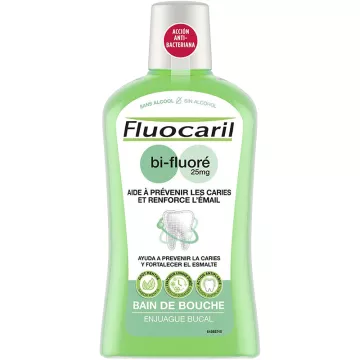
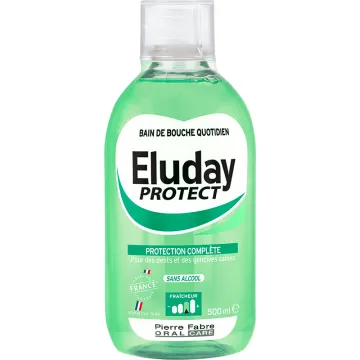
While the mouth is the primary source of bad odors, some causes of unpleasantbreath originate deeper within the body. Gastroesophageal reflux disease (GERD) is the most common non-oral cause: stomach acids flow back up into the esophagus and produce a sour or bitter breath, which is often more noticeable in the morning. Intestinal dysbiosis—an imbalance in the gut microbiome—can release gaseous sulfur compounds that travel up to the mouth.Oral hygiene products and anti-halitosis treatments available in the store complement this management approach. For detailed information on oral mechanisms, see the bad breath page.
Uncontrolled diabetes causes a characteristic fruity or acetone-like breath (ketone bodies are excreted through the lungs)—this is a warning sign that should be recognized and reported to your doctor. Kidney failure can cause urine-like or ammonia-like breath. These systemic causes do not respond to mouthwashes—they require specific medical treatment of the underlying condition.
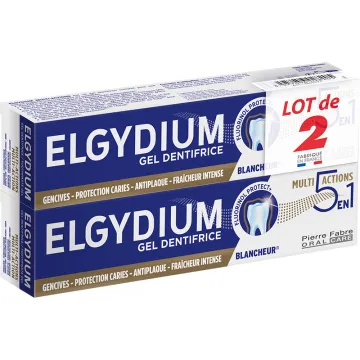
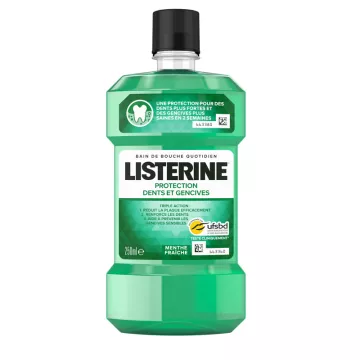
Effective anti-halitosis products target the bacteria that produce volatile sulfur compounds, rather than simply masking the odor with fragrance. Specialized toothpastes contain zinc fluoride or triclosan, which inhibit bacterial production of VSCs. The most well-documented mouthwashes contain cetylpyridinium chloride (CPC), zinc chloride, or 0.12–0.20% chlorhexidine—the latter is effective but should be limited to 2–4 weeks to prevent staining.
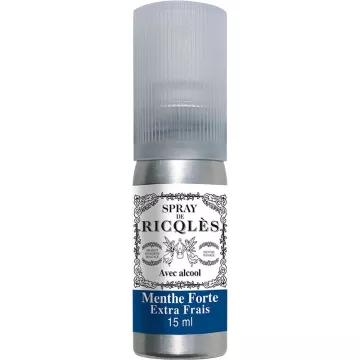
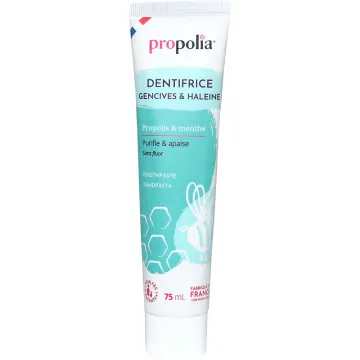
Sugar-free xylitol lozenges and chewing gum have a dual effect: they stimulate saliva production (the primary natural anti-halitosis agent), and xylitol inhibits bacterial growth. Propolis-based oral sprays effectively complement this approach through their natural antibacterial action against the main bacteria involved. Periodontitis and gingivitis, however, require professional treatment first and foremost.
Dehydration reduces saliva flow—yet saliva is the only natural agent that oxygenates the mouth and continuously eliminates anaerobic bacteria. If you drink less than 1.5 liters of water per day, your mouth gradually dries out, bacteria multiply, and dead cells accumulate on your tongue and cheeks, where they decompose. Drinking small amounts of water regularly throughout the day—not just with meals—is the simplest way to maintain fresh breath.
Tobacco affects the mouth in several ways simultaneously: its chemicals irritate the mucous membranes and reduce saliva production; its smoke deposits odor-causing residues on all oral surfaces; and it promotes gum disease, which is itself a source of bad breath. Quitting smoking improves breath within a few weeks and gradually restores gum health—a benefit that’s often underestimated among the reasons to quit.
Persistent bad breath despite a rigorous oral hygiene routine—tongue scraping, flossing, brushing, and alcohol-free mouthwash—is not inevitable but a warning sign. The first step is always to see a dentist: a professional cleaning and a periodontal evaluation can eliminate sources of oral infection. If everything is normal from a dental standpoint, a medical evaluation is necessary to rule out GERD, chronic sinusitis, diabetes, or kidney function issues.