Bone Strength: Beyond Density, Quality Matters Too
Bone strength is not limited to mineral density—two bones with the same DEXA score can have very different levels of strength depending on the quality of their collagen matrix. That’s why our comprehensive remineralizing formulas combine minerals with collagen-boosting ingredients.
- Mineral density: measured by DEXA—the amount of calcium and phosphorus per cm² of bone—an indicator of compressive strength
- Quality of the collagen matrix: tensile and flexural strength—not measured by DEXA—impaired in diabetes and in cases of vitamin C and protein deficiencies
- Microarchitecture: the organization of bone trabeculae—deteriorates with age—visible on a quantitative CT scan but not on a standard X-ray
- Consequence: Some patients suffer fractures despite “normal” bone density—the bone is dense but structurally weakened—the importance of collagen and vitamin C in preserving bone quality
Important Precautions for Calcium Supplementation
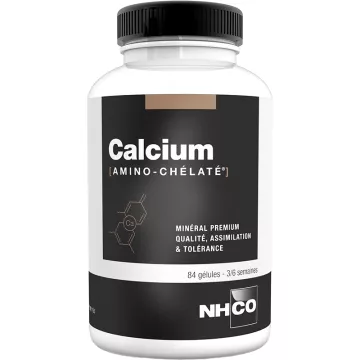
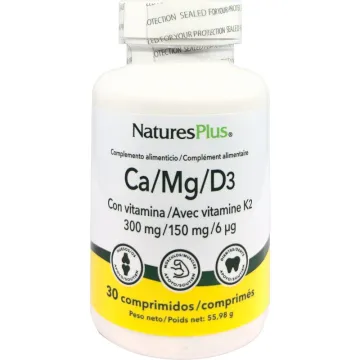
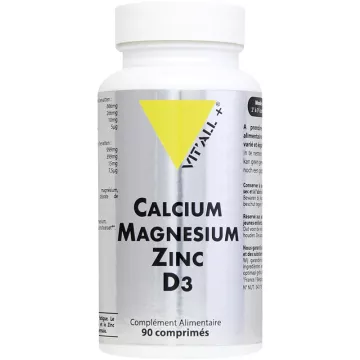
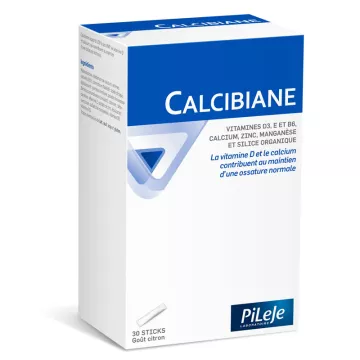
Calcium is essential—but improperly administered supplementation carries documented risks. Our calcium and vitamin D product lines include forms and combinations that minimize these risks.
- Kidney stones: Calcium taken on an empty stomach may increase the risk of calcium oxalate stones—take calcium with meals (dietary calcium binds to oxalate in the digestive tract and reduces its absorption)
- Cardiovascular risk: Studies have suggested an increased risk of arterial calcification with calcium supplements alone—vitamin K2 (MK-7) reduces this risk by directing calcium to the bones rather than the arteries—a calcium + K2 combination is recommended
- Maximum dose: Do not exceed a total of 1,200–1,500 mg/day (diet + supplements) — divide into doses of no more than 500 mg to avoid intestinal saturation
- Drug interactions: Calcium reduces the absorption of tetracyclines, quinolones, levothyroxine, and oral bisphosphonates—space doses 2–3 hours apart
Fall prevention: an all-too-often overlooked factor in bone strength
Strengthening bones is not enough unless the risk of injury is reduced—among older adults, fall prevention is just as important as bone density in preventing fractures.
- Vitamin D3 and muscle strength: Vitamin D3 acts on muscle receptors and reduces the risk of falls by 20–30% in older adults—a serum level of ≥ 30 ng/mL is recommended
- Balance and proprioception: tai chi, yoga, and exercises on a proprioceptive platform—reduce falls by 20–40% according to studies—should be practiced at least twice a week
- Home modifications: Remove slippery rugs, install grab bars in the shower, improve nighttime lighting—simple, high-impact changes
- Vision correction: Vision problems increase the risk of falls — regular eye exams after age 65
- Medication review: Certain medications (benzodiazepines, antihypertensives) increase the risk of falls—to be evaluated with your primary care physician
Myths about bone strength to debunk
- Myth 1: “Only calcium is needed” —without D3, K2, magnesium, and protein, dietary or supplemental calcium is poorly utilized by the bones
- Myth 2: “Osteoporosis affects only women” —20% of patients with osteoporosis are men—often diagnosed later because they are monitored less closely
- Myth 3: “The more calcium I take, the better” —beyond 1,500 mg/day, excess calcium does not improve bone density and increases the risk of kidney and cardiovascular problems
- Myth 4: “Bone is an inert tissue” —bone remodeling is a continuous process; 10% of the skeleton is renewed each year—supplementation must be ongoing, not just occasional
- Find the formulas tailored to your needs in our line of bone remineralizers