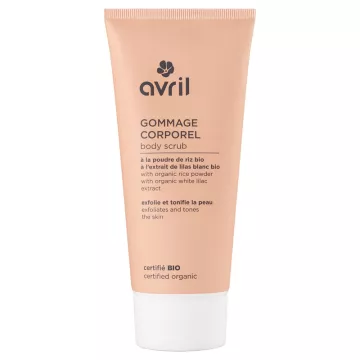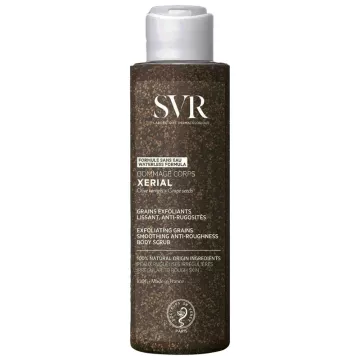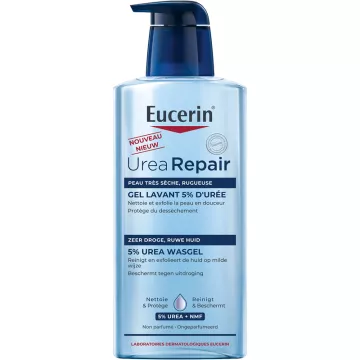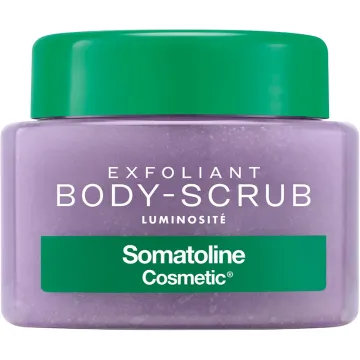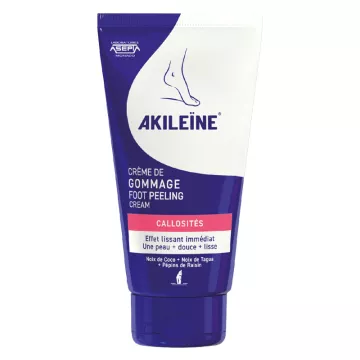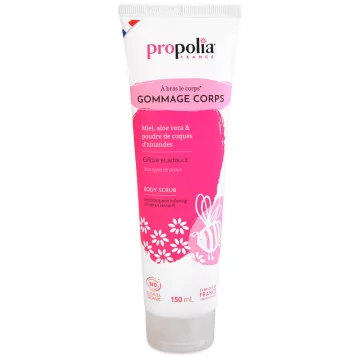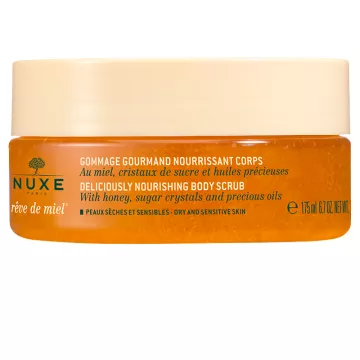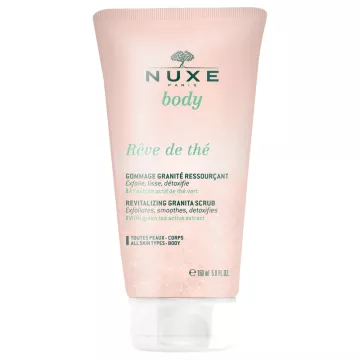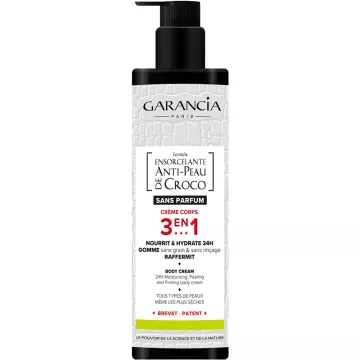
A body scrub is an exfoliating treatment designed specifically for the skin on the body, which is thicker and more resilient than facial skin. Its primary function is to remove dead skin cells that have accumulated on the surface, but its benefits go far beyond that: it prepares the skin for subsequent treatments (moisturizers, self-tanners, oils), helps prevent ingrown hairs in people who remove bodyhair, ensures an even tan before sun exposure, and revealsthe skin’s natural radiance. Rooted in millennia-old traditions (the Eastern hammam, the Nordic sauna, the Japanese bath), body scrubs have evolved significantly in their formulations and now better protect the skin barrier than the coarse-grained exfoliants of past decades.
A few target areas deserve special attention:
Ingrown hairs are one of the primary reasons for using a body scrub, particularly for people who removehair regularly (waxing, shaving, epilator). The mechanism is simple: as the stratum corneum thickens, regrowing hairs encounter a barrier that they bypass by curving beneath the skin. Exfoliation clears this exit path. The ideal frequency is twice a week on the legs, underarms, and bikini line, starting 48 to 72 hours after hair removal to avoid irritating the freshly treated skin. On areas regularly prone to ingrown hairs (the neck for men, the bikini line for women), a gentle chemical exfoliation with BHAs or PHAs is often more effective than a granular scrub, which can cause inflamed areas to bleed.
The rule is clear: exfoliate before, never after sun exposure. Exfoliating 24 to 48 hours before sun exposure removes dead skin cells that would prevent an even tan and reveals skin that will absorb UV rays more evenly. The resulting tan lasts longer because it settles on living cells, not on dead skin cells ready to flake off. Conversely, exfoliating right after sun exposure is like stripping away the tan along with the dead skin cells, and exposes skin that’s already sensitive to micro-injuries. Combined with a self-tanner, exfoliating beforehand guarantees an even finish and prevents a “spotty” effect. In any case, SPF 30 to 50 sun protection the next morning remains essential, especially on freshly exfoliated skin.
The traditional Middle Eastern hammam ritual remains the gold standard for body exfoliation. The principle: humid steam at 40–45 °C for 10 to 20 minutes softens the stratum corneum, which then comes off very easily with a horsehair glove (kessa) and traditional black soap made from olive oil and crushed black olives. The result is impressively smooth and thorough. At home, you can achieve a similar effect: take a long, hot shower, then apply black soap, followed by exfoliation with a kessa glove using firm, circular motions. Japanese rituals (a long soak, followed by dry brushing) and Nordic rituals (sauna + gentle brushing) offer complementary alternatives. They all share one thing in common: preparing the skin with heat before exfoliation, which maximizes its effectiveness without causing irritation.
The timing of the exfoliation affects the results:
Dry skin on the body—common in winter on the legs, arms, and back—requires nourishing formulas that exfoliate without drying out the skin. Exfoliants made with fine sugar are gentler than those with sea salt, which should be reserved for very thick areas of skin. Carrier oils (olive oil, jojoba, sweet almond, argan) provide immediate nourishment, which is particularly beneficial for skin prone to dryness. Finely ground coffee beans offer a toning effect thanks to caffeine and a pleasant woody scent. Ingredients to avoid: coarse salt (too abrasive), plastic microbeads (banned since 2018 in rinse-off cosmetics), baking soda (its alkaline pH disrupts the skin’s pH balance), and large pieces of crushed shell. Always finish with an occlusive moisturizer: shea butter, coconut ghee, or sweet almond oil applied to skin that’s still damp.
Three situations call for caution or avoidance: