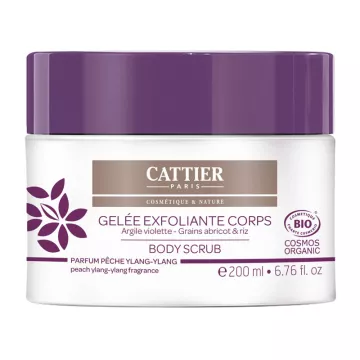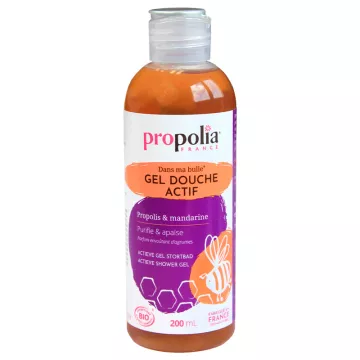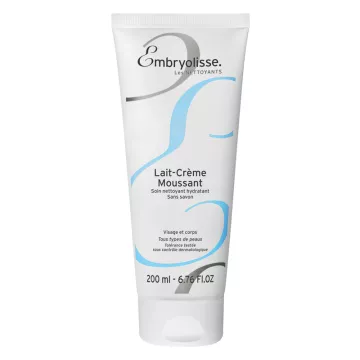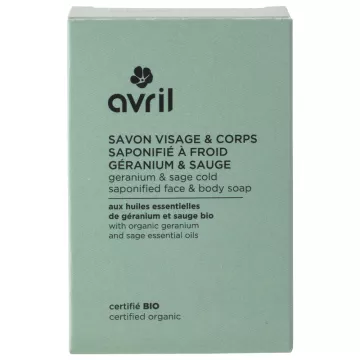



To maintain healthy, radiant skin, adopt a thorough and tailored skincare routine. Cleanse your skin morning and night to remove impurities and excess oil using a gentle product suited to your skin type. After cleansing, apply a moisturizer suited to your needs: rich creams for dry skin, and light lotions or gels for oily skin. Exfoliate regularly—once or twice a week—to stimulate cell renewal and remove dead skin cells.
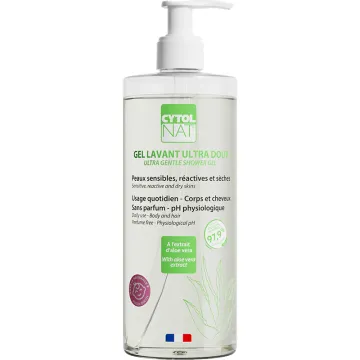
To choose the right products, accurately identify your skin type: dry, oily, combination, sensitive, or normal. Dermatologically tested products are always the best choice, as they minimize the risk of allergies and irritation. Dry skin benefits from formulas enriched with hyaluronic acid or shea butter. Oily skin benefits from sebum-regulating products containing salicylic acid or zinc. For sensitive skin, opt for hypoallergenic formulas that are fragrance-free and alcohol-free.
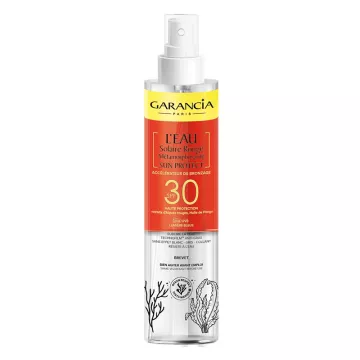
Unprotected sun exposure causes significant skin damage: premature aging, dark spots, and, in the most severe cases, skin cancer. Apply sunscreen with an SPF of at least 30 daily, even on cloudy days. Apply generously to all exposed areas and reapply every two hours after swimming or sweating.
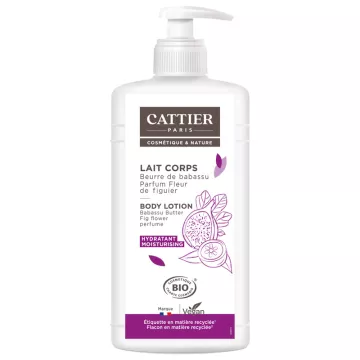
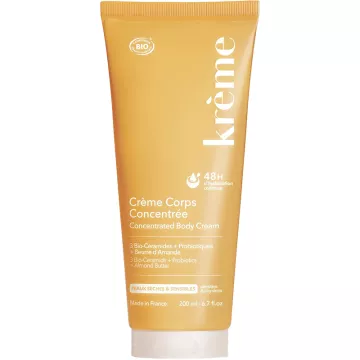
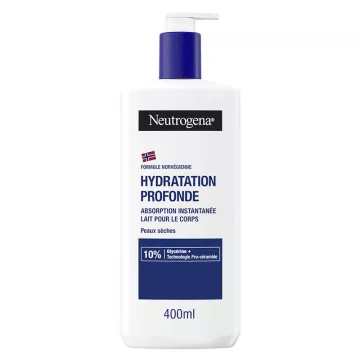
Hydration is essential for maintaining the skin’s elasticity and health. Ideally, drink between 1.5 and 2 liters of water per day to support internal hydration. In addition, apply moisturizing creams and serums that form a protective barrier against external aggressors and preserve surface hydration. Look for proven active ingredients such as hyaluronic acid, glycerin, or aloe vera. For the body, a moisturizing body lotion remains the go-to solution for intensely nourishing the skin every day.
As we age, the skin gradually loses its elasticity and firmness. Incorporating anti-aging skincare in your thirties prepares the skin for the changes to come. Look for products containing antioxidants such as vitamin C, EGCG (a compound found in green tea), or retinol—these active ingredients help minimize the signs of aging and stimulate collagen production. Apply them preferably in the evening to take advantage of the skin’s nighttime repair process.
Acne manifests as pimples, blackheads, and inflammation, mainly on the face, back, and chest. To treat it, opt for non-comedogenic products containing salicylic acid or benzoyl peroxide.Eczema, characterized by itching and redness, requires gentle care, specific moisturizers, and, in some cases, topical treatments prescribed by a dermatologist.
Face masks provide intensive, targeted treatment tailored to your specific needs. Hydrating masks containing hyaluronic acid or ceramides are particularly suitable for dry skin. Clay or activated charcoal masks effectively purify oily skin. Apply a mask once or twice a week after cleansing for optimal results and long-lasting skin comfort.
Double cleansing involves first using a makeup-removing oil to dissolve makeup and sunscreen, followed by a water-based cleanser to remove residue and impurities. This technique is particularly suitable for blemish-prone skin and can also be adapted for dry skin by choosing gentle, moisturizing cleansers.
Certain ingredients can irritate or damage the skin: parabens, sulfates, and denatured alcohols are among the most problematic. Also avoid synthetic fragrances and dyes, which can trigger allergic reactions in sensitive skin. Instead, opt for natural cosmetic formulas, which are generally better tolerated and more respectful of the skin’s natural balance.
The skin microbiome consists of all the microorganisms that live on the skin’s surface and play a key role in protecting against pathogens and regulating inflammation. To preserve it, use gentle products, avoid harsh antibacterial agents, and incorporate prebiotics and probiotics into your skincare routine. These active ingredients strengthen the skin’s natural barrier and support its balance on a daily basis.