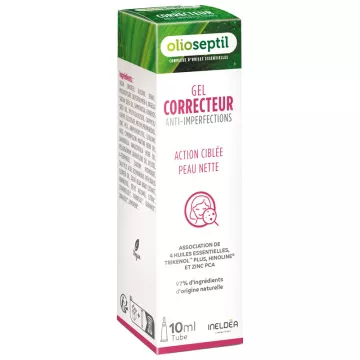
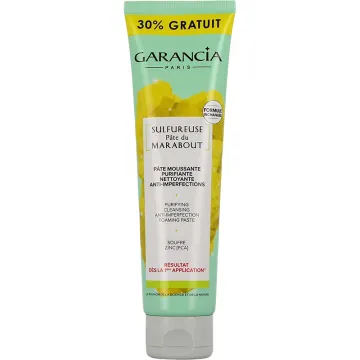
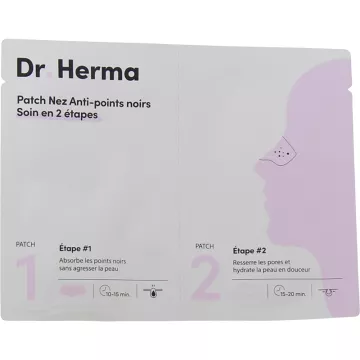
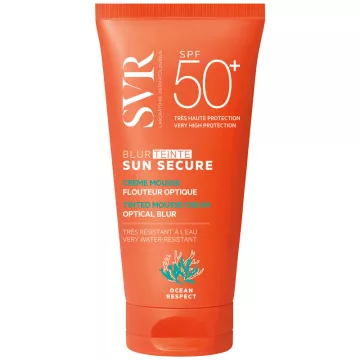
What Is Blemish-Prone Skin, and What Causes It?
Blemished skin shows visible signs of a skin imbalance: blackheads (open comedones), microcysts (closed comedones), pimples (papules, pustules), shine, localized redness, and a dull or uneven complexion. Unlike severe acne, these blemishes may be occasional or moderate. Several factors play a role:
- Hormones (puberty, menstrual cycle, pregnancy, postpartum, menopause, polycystic ovary syndrome).
- Excessive sebum production and hyperkeratinization of the hair follicle.
- Overgrowth of *Cutibacterium acnes* (formerly *Propionibacterium acnes*).
- Environment: pollution, climate, hard water.
- Lifestyle: stress, insufficient sleep, smoking, high-glycemic-index diet.
- Inappropriate cosmetics or incomplete makeup removal.
- Hygiene of accessories (pillowcases, brushes, sponges).
How can you prevent breakouts?
A routine tailored to combination to oily skin helps minimize aggravating factors:
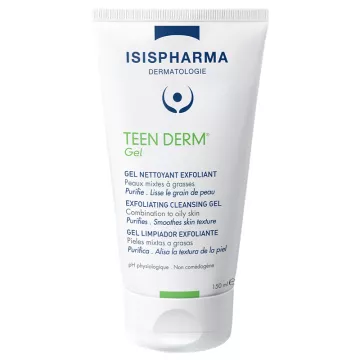
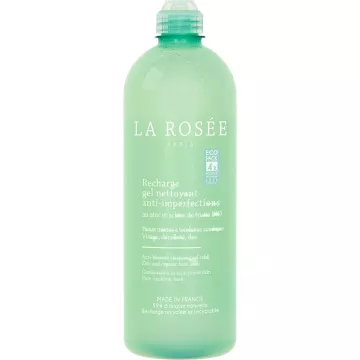
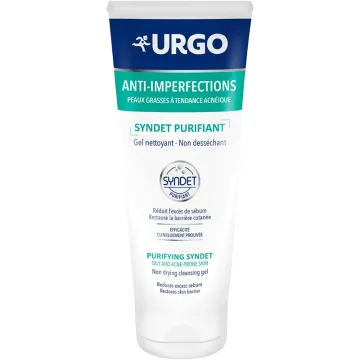
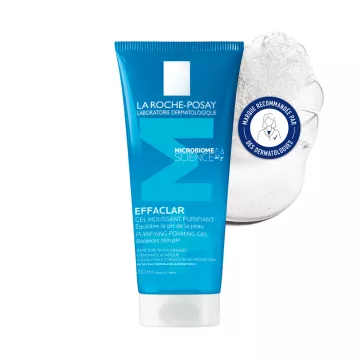
- Gentle cleansing morning and night with a syndet or a gel with a pH close to 5.5.
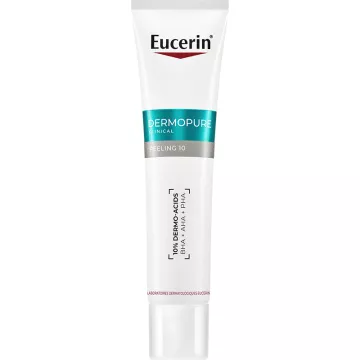
- Gradual chemical exfoliation (cosmetic-grade salicylic acid, max 2% per EC Regulation 1223/2009, or low-dose glycolic acid)—photosensitizing: SPF is essential.
- Light, non-comedogenic moisturizer in gel or fluid form.
- Sun protection (SPF 30 to 50) year-round, in a lightweight, non-comedogenic formula.
- Always remove makeup in the evening; double-cleanse if using water-resistant SPF or long-wear makeup.
- Change pillowcases 1 to 2 times a week; clean brushes and sponges regularly.
- Avoid touching your face frequently; do not squeeze blemishes.
- Healthy lifestyle: sleep, a varied diet, stress management, and limiting tobacco use.
Which ingredients are best for blemish-prone skin?
Several cosmetic active ingredients have proven effective:
- Salicylic acid (BHA, max 2% in cosmetics per Regulation (EC) No. 1223/2009): a lipophilic keratolytic that unclogs pores. Photosensitizing.
- Niacinamide (vitamin B3, 2–10%): regulates sebum, reduces redness, and supports the skin barrier.
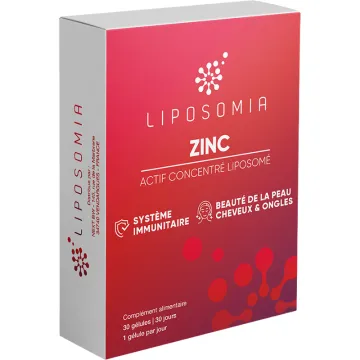
- Zinc PCA or topical zinc gluconate: has sebum-regulating and soothing effects.
- Glycolic acid (AHA) at low cosmetic concentrations: gentle chemical exfoliation. Photosensitizing.
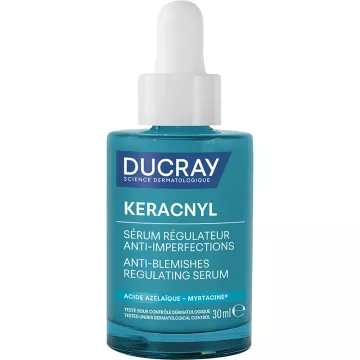
- Cosmetic azelaic acid (up to 10% in cosmetics; higher concentrations available by prescription): antibacterial, anti-inflammatory.
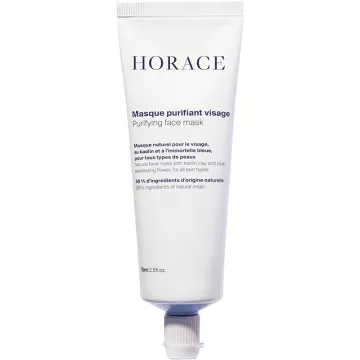
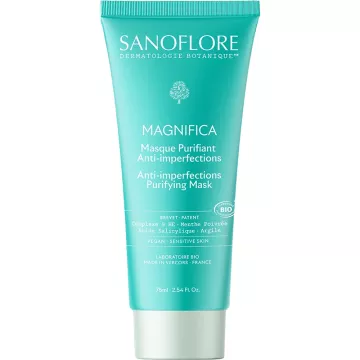
- Clay (green, white, pink) as an occasional mask.
- Cosmetic retinol as part of a routine; topical medical retinoids by prescription (adapalene, tretinoin)—photosensitizing; some are contraindicated during pregnancy.
How should severe skin blemishes be treated?
For severe or persistent skin imperfections, a dermatologist’s consultation can guide medical management (SFD/HAS recommendations):
- Prescription topical retinoids (adapalene, tretinoin, topical isotretinoin).
- Benzoyl peroxide (2.5% to 5%) as advised or prescribed, depending on the concentration. It is photosensitizing and can bleach fabrics and bedding.
- Topical antibiotics (clindamycin, erythromycin), always used in combination to limit bacterial resistance.
- Prescription oral cyclines (doxycycline, lymecycline), in short courses; photosensitizing; contraindicated in children under 8 years of age and during pregnancy.
- Hormonal therapy for women in certain situations, by prescription.
- Oral isotretinoin for severe or treatment-resistant forms: teratogenic; requires adherence to the ANSM pregnancy prevention program, strict biological monitoring (liver and lipid function), and monitoring for psychological side effects.
- Procedures in medical-aesthetic clinics: superficial chemical peels, microdermabrasion, lasers, and light therapies when indicated.
What daily routine should you follow to maintain healthy skin?
A regular, simple routine yields better results than using a multitude of products:
- Cleanse morning and night with a gentle cleanser with a pH close to 5.5.
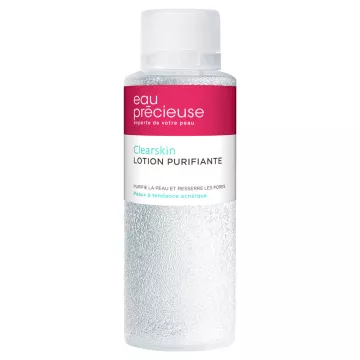
- Follow witha toner or micellar water if needed, without excessive denatured alcohol. The toner helps remove any remaining cleansing residue from the skin without permanently altering pore size (which is largely genetic).
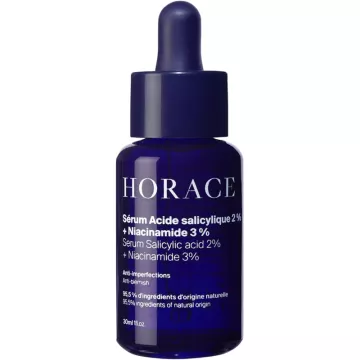
- A targeted serum with one active ingredient at a time (salicylic acid, niacinamide, zinc PCA, azelaic acid), to be introduced gradually.
- Lightweight, non-comedogenicmoisturizer.
- SPF 30 to 50 sun protection in the morning using a non-comedogenic fluid, year-round.
- Occasional purifying clay mask (once a week, depending on skin tolerance).
- Do not layer strong active ingredients simultaneously.
What role does diet play for blemish-prone skin?
Diet contributes to skin health:
- Limit added sugars, sodas, pastries, and ultra-processed foods (a high glycemic index can worsen acne in some people).
- Limit skim milk products depending on individual profiles (several studies have observed a potentially aggravating effect, though results vary).
- Prioritize fruits, vegetables, legumes, nuts and seeds, and fatty fish (omega-3).
- Vitamins A (carotenoids), C, and E; zinc and selenium if a deficiency has been confirmed.
- Stay hydrated throughout the day as needed.
Empirical elimination diets are not recommended, particularly in children and adolescents (risk of deficiencies). Consulting a doctor or dietitian allows for a personalized approach.
How does stress affect skin with blemishes?
Stress is a recognized aggravating factor:
- The secretion of cortisol and other stress hormones can stimulate sebum production and exacerbate skin inflammation.
- Stress affects sleep, which is itself important for skin regeneration.
- Repetitive behaviors (touching the face, scratching, squeezing lesions) are often associated with anxiety.
Helpful strategies: regular physical activity, adequate sleep, breathing techniques (cardiac coherence), meditation, sophrology, yoga, and psychological counseling in cases of significant distress. The impact of skin imperfections on self-esteem has been demonstrated, particularly during adolescence: don’t hesitate to discuss this with a doctor or dermatologist.
Can you wear makeup if you have blemishes?
Yes, provided you choose suitable products and take a few precautions:
- Foundations, BB creams, and concealers labeled as non-comedogenic and dermatologically tested.
- Opt for lightweight textures—such as serums or mousses—rather than thick formulas.
- Apply to prepared skin (cleansed, moisturized, and protected with SPF).
- Always remove makeup at the end of the day; double-cleanse if using long-wear makeup or water-resistant SPF.
- Strict hygiene for brushes and sponges (warm water + mild soap, dry thoroughly).
- Do not share makeup products.
- Follow the PAO (period after opening).
- Some foundations for blemish-prone skin contain active ingredients (salicylic acid, niacinamide) that complement your skincare routine.
What’s the difference between occasional breakouts and chronic acne?
This distinction is helpful in guiding treatment:
- Occasional breakouts: sporadic pimples, occasional excess oil production, limited blackheads, flare-ups triggered by temporary factors (stress, menstrual cycle, diet, lack of sleep). Responds well to properly administered skincare and lifestyle adjustments.
- Acne (chronic, moderate to severe): established skin condition, more numerous inflammatory lesions (papules, pustules, sometimes nodules and cysts), risk of scarring, possible psychological impact. See also acne. Requires a stepwise medical approach and regular follow-up.
A dermatological consultation is recommended in case of doubt, if symptoms persist despite a well-managed routine for 1 to 3 months, or if inflammatory lesions are established.
How can you identify products suitable for blemish-prone skin?
Several guidelines can help you choose:
- Labels on the packaging: “non-comedogenic,” “non-acnegenic,” “dermatologically tested.”
- Suitable for combination to oily skin or acne-prone skin. See also combination skin.
- Light, gel, or serum textures.
- Recognized active ingredients: cosmetic-grade salicylic acid, niacinamide, zinc PCA, azelaic acid, glycolic acid.
- Clear INCI lists; formulas free of excessive denatured alcohol, heavy mineral oils, and certain highly comedogenic plant oils (unfractionated coconut oil, cocoa butter).
- Sunscreen in a lightweight formula or non-comedogenic spray.
- Test on the inner elbow 24 to 48 hours before regular use on the face.
Consulting a dermatologist or pharmacist can help narrow down your choice based on your skin type and medical history (such as rosacea, eczema, or seborrheic dermatitis).