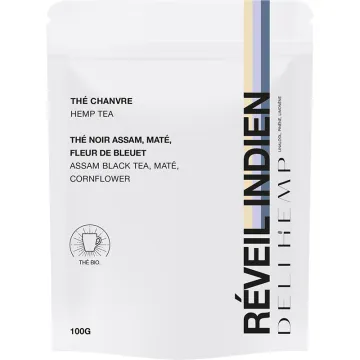
Black tea is a fully oxidized variety of Camellia sinensis, the same plant as green tea and white tea. Unlike its minimally processed cousins, black tea undergoes complete enzymatic oxidation, developing unique compounds such as theaflavins and increasing its caffeine content. Native to China, India (Darjeeling, Assam), and Sri Lanka (Ceylon), black tea comes in several varieties, both pure and flavored (Earl Grey, English Breakfast). Available as loose-leaf tea or in tea bags, it fits seamlessly into daily wellness routines and provides antioxidant support.
Black tea is primarily known for its high content of polyphenols and theaflavins, antioxidant molecules that emerge from its complete oxidation process. According to scientific literature, these compounds neutralize free radicals generated by daily metabolic stress, UV exposure, and environmental pollution. Theaflavins, in particular, are unique to black tea and contribute to its antioxidant profile, which differs from that of green tea.
Black tea also contains a higher concentration of caffeine (40–70 mg per cup) than green tea (25–50 mg), providing moderate and sustained mental stimulation. This natural caffeine supports alertness and concentration without the spikes of hyperactivity associated with coffee alone. Unlike white tea, black tea contains very little L-theanine (a relaxing amino acid), which explains its more energizing profile. Since no formal health claims have been validated for black tea, its benefits fall under the category of nutritional support and dietary supplementation.
Black tea requires a stronger brewing method than white tea.The water should be heated to between 90 and 95°C to fully release the aromas and polyphenols.Steep for 3 to 5 minutes —any longer may result in excessive bitterness due to the tannins. The standard serving size is 1 gram of leaves per cup (about 250 ml), to be adjusted according to personal preference and the desired level of stimulation.
Black tea can also be enjoyed as an iced tea: brew it hot, then let it cool in the refrigerator for a mild and smooth flavor. This method reduces the astringency of the tannins while preserving the antioxidants. Some people add lemon, ginger, or mint for an invigorating drink. In skincare, a concentrated infusion applied as a lotion has a toning effect on the skin, thanks to the mild astringent properties of the tannins.
Although black tea is less rich in catechins than green tea (due to oxidation), it compensates with its unique concentration of theaflavins and thearubigins, polymeric compounds resulting from enzymatic oxidation. Depending on the study, these molecules offer antioxidant activity comparable to or greater than that of green tea, slowing the visible signs of aging and supporting skin balance. These antioxidants are part of a comprehensive strategy for protecting cells against daily oxidative stress, although black tea has been studied less extensively than green tea in cosmetic applications.
The natural caffeine in black tea (40–70 mg per cup) provides gentle yet effective mental stimulation, supporting alertness and concentration without causing excessive jitters. Released gradually during brewing, it creates a stable and prolonged energizing effect, ideal for an active morning or a work session. Unlike coffee (95 mg), the caffeine in black tea is accompanied by other molecules (tannins, polyphenols) that temper its effects.
Theaflavins—compounds unique to black tea resulting from its oxidation—play a key role in its distinctive antioxidant profile. These molecules, which are present only in small amounts in green or white tea, offer specific cellular support and contribute to black tea’s characteristic color and full-bodied flavor. Their presence explains the growing interest in research on this type of tea as part of antioxidant protection strategies.
Drinking 2 to 4 cups daily (in the morning and early afternoon) allows you to benefit from black tea’s energizing and antioxidant properties. For long-term wellness routines, a 6- to 8-week course is recommended to allow the cellular antioxidant effects to build up. Black tea can be consumed regularly for an unlimited period, although taking an occasional break is beneficial to avoid caffeine dependence. Avoid consumption after 3:00–4:00 p.m. if you are sensitive to sleep disturbances caused by residual caffeine.
Black tea naturally combines well with other antioxidant sources (vitamin C, grape polyphenols) to enhance cellular protection without any documented problematic interactions. However, combining it with other sources of caffeine (coffee, green tea, mate) should be done with caution to maintain a moderate total intake (200–400 mg/day recommended). Leaving a 1–2-hour gap between consuming black tea and certain minerals (iron, calcium) can improve their absorption, as the tannins in tea may slightly affect it. Combining it with soothing herbs (chamomile, passionflower) creates an interesting contrast but should be adjusted according to your goals.
Black tea is generally well tolerated, but certain groups should exercise caution. Its caffeine content, which is higher than that of white tea, can disrupt sleep in sensitive individuals; consumption before 3:00–4:00 p.m. is recommended. Peoplewith anemia or iron deficiency should be aware that the tannins in black tea can slightly affect the absorption of dietary iron; it is advisable to wait 1–2 hours between taking an iron supplement and drinking tea. Drinking black tea on an empty stomach or when the stomach is sensitive may cause mild irritation due to the tannins; it is recommended to drink it with a light meal. Pregnant women may consume black tea in moderation (1–2 cups per day), as the residual caffeine does not pose a significant problem at this dosage; however, it is prudent to seek medical advice. People taking medication should consult their doctor before drinking it regularly, especially if they are on a treatment that is sensitive to tannins or caffeine, although no major interactions have been documented with normal consumption.