Harvest mites are tiny mites that thrive in warm, humid areas. These parasites, often invisible to the naked eye, are found mainly in gardens, parks, and fields, especially during the summer and fall months. Harvest mites bite humans and animals, causing intense and unpleasant itching.
How can you recognize a chigger bite?
A chigger bite appears as a red rash, accompanied by intense itching. The lesions may appear in clusters and are often located around the ankles, the waist, or in skin folds. It is crucial not to scratch the bites to prevent secondary infections.
What are effective ways to prevent chigger bites?
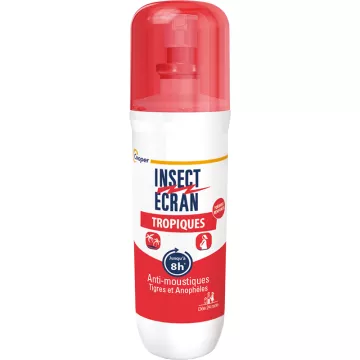
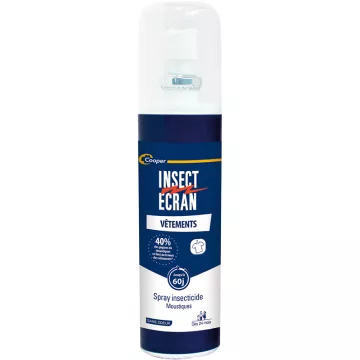
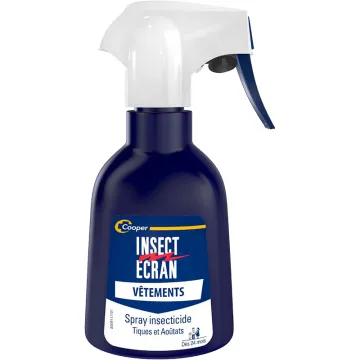
To prevent chigger bites, it is recommended to wear long, light-colored clothing when walking in high-risk areas. Applying repellents containing DEET or icaridin to exposed skin can also be effective. Keeping the yard well-maintained and avoiding areas with tall grass are other important preventive measures.
How do you treat a chigger bite?
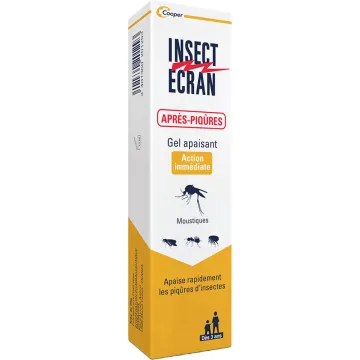
Treatment for chigger bites is primarily aimed at relieving itching and preventing infections. Using antihistamine or corticosteroid creams can help reduce inflammation and itching. In some cases, oral antihistamines may be necessary. It is essential to keep the area clean and avoid scratching.
Can you get rid of chiggers in your yard?
Eliminating chiggers from a garden requires an integrated approach. Reducing moisture by improving drainage and mowing the grass regularly can help reduce the chigger population. The use of specific acaricides may be considered, although this should be done with caution to avoid harming the environment and local biodiversity.
How can you tell the difference between a chigger bite and other insect bites?
Harvest mite bites are unique because of the red rash they cause and the intense itching they produce. Unlike mosquitoes, which leave a single bite, harvest mites tend to cause clusters of bites. In addition, chigger bites are often found in areas where clothing presses against the skin, such as the ankles, waist, or behind the knees.
Do chiggers transmit diseases?
Fortunately, harvest mites in Europe and North America are not known to transmit diseases to humans. However, the allergic reaction caused by their bites can be extremely uncomfortable and may require symptomatic treatment.
When are harvest mites most active?
Harvest mites are most active during warm, humid months, generally from June through September. During this period, it is particularly important to take preventive measures when visiting high-risk areas such as fields, forests, and gardens.
Can you go swimming after being bitten by harvest mites?
Yes, you can go swimming after being bitten by harvest mites. In fact, cool water can help relieve the itching. However, it is recommended that you use mild soap and lukewarm water to thoroughly clean the affected area to prevent infection. After bathing, gently pat the skin dry without rubbing the irritated areas.
How can you protect pets from harvest mites?
To protect your pets from harvest mites, avoid walks in areas with tall grass and bushes during the summer months. Use repellents specifically designed for pets, and consult your veterinarian for specific recommendations. After walks, carefully check your pet’s coat for harvest mites and bathe them with a mild shampoo if necessary.