Sports recovery is an active physiological phase, not simply passive rest. During intense exercise, muscle fibers sustain micro-tears that trigger a repair process leading to supercompensation—the muscle rebuilds itself stronger than before. Optimizing this phase requires a multifaceted approach: recovery nutrition within 30 minutes after exercise (protein + carbohydrates), rehydration with electrolytes, quality sleep, and physical recovery techniques (cold baths, massage, compression). Neglecting this metabolic window compromises muscle adaptations and increases the risk of overtraining.
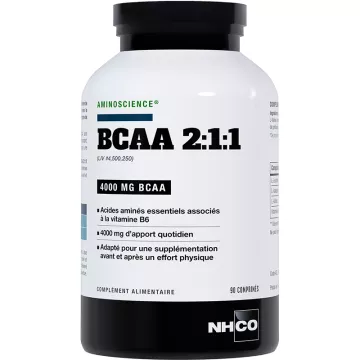
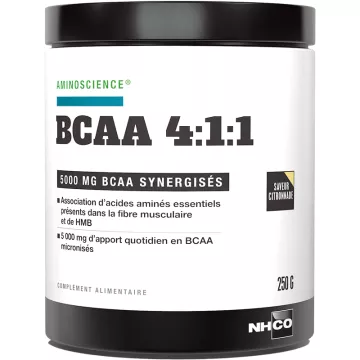
Protein is the building block for repairing damaged muscle fibers. The post-workout anabolic window (30 to 60 minutes) is the period when protein absorption is at its peak. BCAAs (branched-chain amino acids: leucine, isoleucine, valine) are particularly valuable: leucine directly activates the mTOR pathway for muscle protein synthesis. As a dietary supplement, BCAAs taken during or immediately after exercise reduce muscle breakdown and accelerate recovery. Creatine, when taken consistently over several weeks, improves ATP regeneration and reduces muscle damage as measured by blood markers.
Intense physical exercise generates oxidative stress and inflammatory processes that delay recovery if left unchecked. The omega-3 fatty acids EPA and DHA have a documented anti-inflammatory effect: they inhibit the production of pro-inflammatory mediators and reduce post-exercise muscle soreness. Recent meta-analyses confirm a significant reduction in markers of muscle inflammation and accelerated strength recovery in athletes taking omega-3 supplements. Vitamin C and polyphenols (turmeric, tart cherries) complement this antioxidant protection.
Sleep is the most powerful recovery phase available. It is during deep sleep (N3 stages) that growth hormone is secreted at its peak, triggering protein synthesis, tissue repair, and glycogen storage. Sleep deprivation reduces growth hormone and testosterone levels, increases cortisol, and impairs cognitive and physical performance as early as the following night. Aiming for 7 to 9 hours of sleep, with a regular bedtime to synchronize the circadian rhythm, is the basic recommendation. Low-dose melatonin can help athletes whose training schedules disrupt their sleep-wake cycle fall asleep more easily.
Some supplements have a strong evidence base in a sports context:
Any supplementation should be tailored to the athlete’s profile and the intensity of their training, and ideally approved by a sports nutritionist.
Recovery time depends on the intensity, volume, and type of exercise performed. After a moderate workout, 24 hours are generally sufficient. After maximal exertion (competition, high-intensity session), 48 to 72 hours may be needed for full recovery of muscle strength. Active recovery techniques—light walking, yoga, low-intensity cycling—improve local blood circulation and accelerate the elimination of metabolic waste without overloading muscles that are still in the recovery phase. Cryotherapy and compression can complement this process by reducing post-exercise swelling.