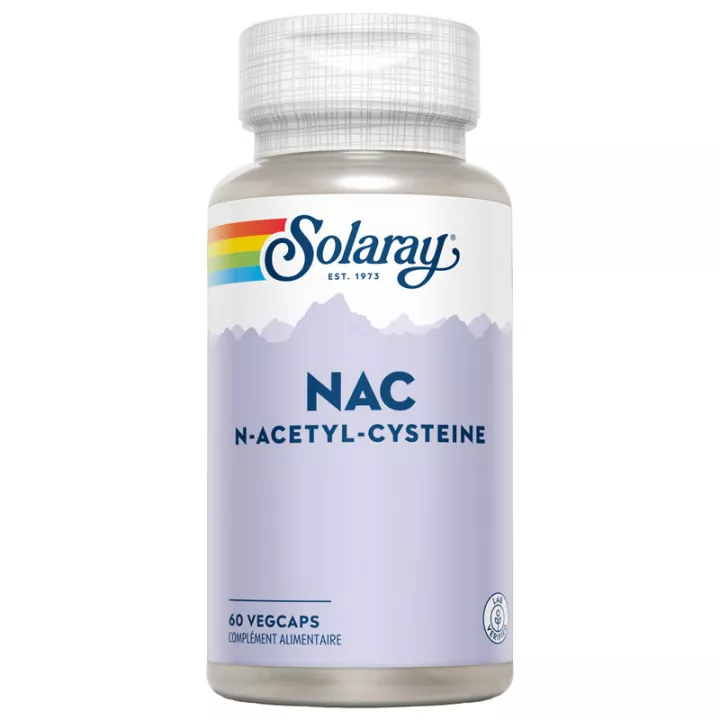
What is NAC N-acetylcysteine eye drops used for?
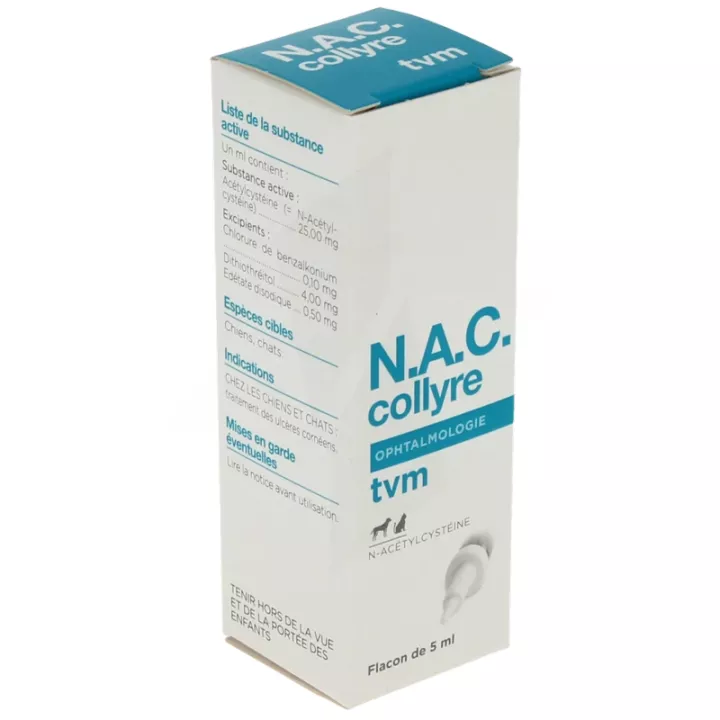
NAC N-Acetylcysteine Eye Drops 5 ml is a veterinary medication intended for the treatment of corneal ulcers in dogs and cats. It is administered directly into the affected eye, only as prescribed and according to the veterinarian’s recommendations.
A corneal ulcer is a lesion on the transparent surface of the eye. Symptoms may include a red eye, tearing, repeated blinking, sensitivity to light, or persistent eyelid closure. This condition requires prompt veterinary attention, as it can be painful and may sometimes compromise the integrity of the cornea.
The solution contains 25 mg/mL of acetylcysteine, an active ingredient used in veterinary ophthalmology for its effect on the proteolytic enzymes involved in the breakdown of corneal tissue. It thus helps limit corneal degradation and supports veterinary management of the lesion.
These eye drops for dogs and cats may be prescribed, in particular, when the ulcer poses a risk of worsening or corneal melting. Their use must be accompanied by close monitoring of the eye and treatment of the underlying cause identified by the veterinarian.
Thanks to its 5-ml dropper bottle, the solution allows for precise ocular administration several times a day. Consistent administration is essential to follow the prescribed protocol and support the healing of the ocular surface.
We also offer Frontline Pump Spray for Cats and Dogs (250 ml ), which eliminates adult fleas and ticks in cases of heavy infestations. It can be used in cats and dogs from a very young age (for animals weighing less than 5 kg)
How to use NAC (N-acetylcysteine) eye drops?
Instructions for Use
To ensure optimal effectiveness of the NAC N-acetylcysteine eye drops, it is essential to follow the instructions for use carefully. This product must be applied to the eye. It is recommended to instill 2 drops of the eye drops 3 to 4 times a day into the affected eye. Treatment should be continued until complete recovery to ensure full healing.
Share your feedback on the usage instructions and dosage of [PRODUCT] with our partner Verified Reviews after your purchase.
Precautions for Use
When using NAC N-acetylcysteine eye drops, it is important to take certain precautions. This product must be kept out of the reach of children to avoid any risk of accidental ingestion or improper handling. Also, be sure to follow the prescribed dosages and consult a veterinarian if you have any doubts or if your pet experiences an adverse reaction.
What Are the Ingredients?
The formulation of NAC N-acetylcysteine eye drops is specially designed to ensure optimal effectiveness and maximum safety for your pets. Here are the active ingredients and excipients present in each mL of these eye drops:
- N-acetylcysteine: 25.00 mg
- Benzalkonium chloride: 0.10 mg
- Dithiothreitol: 4.00 mg
- Disodium edetate: 0.50 mg
Packaging
NAC N-acetylcysteine eye drops are available in a 5-ml bottle, which is convenient and easy to use, ensuring precise and hygienic administration of the product.