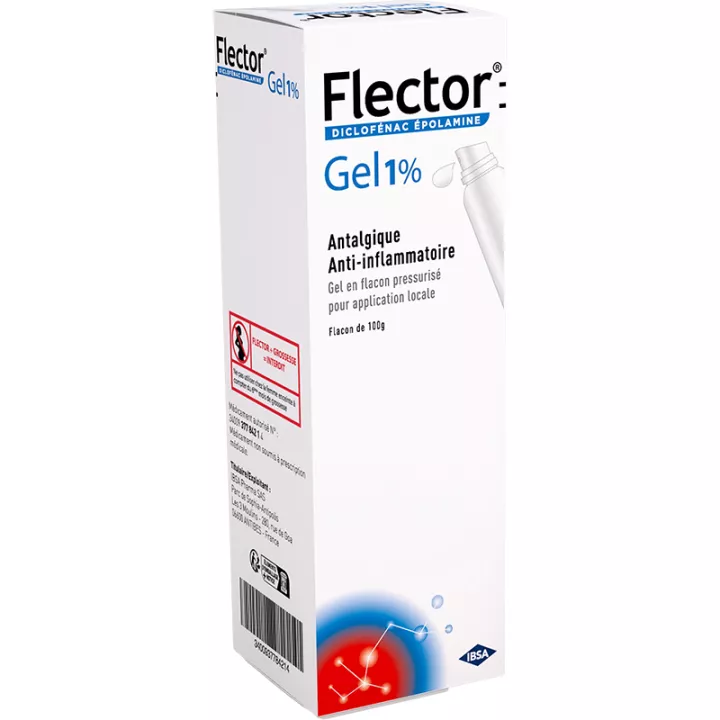
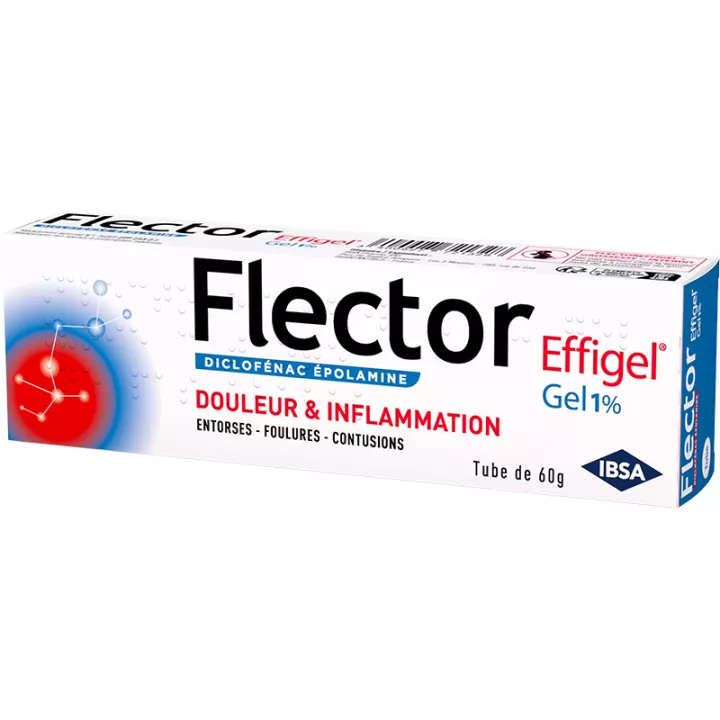
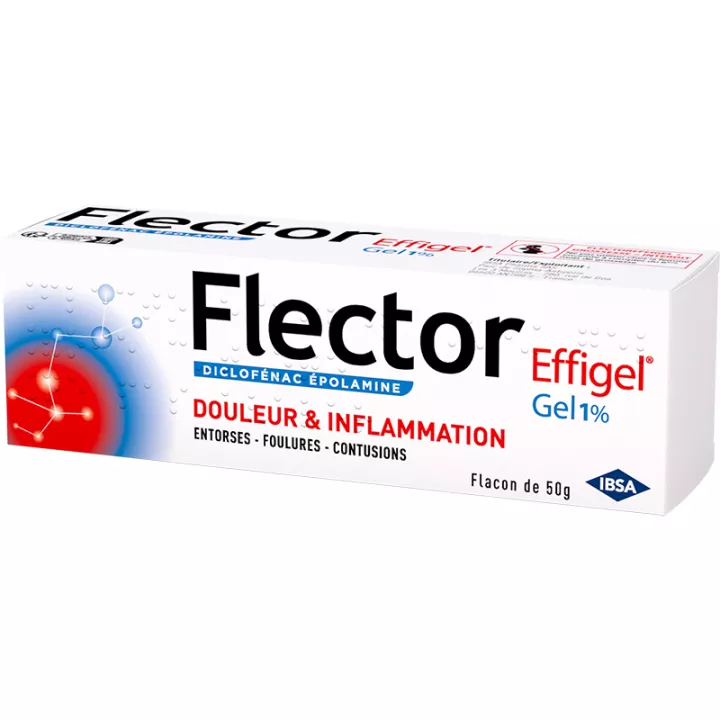
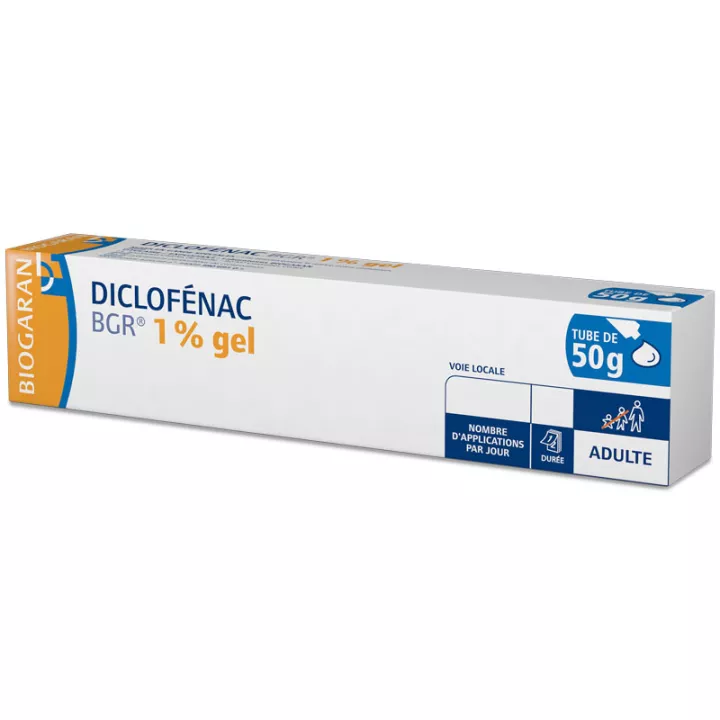
Diclofenac 2% Biogaran Gel, 30g Tube, relieves muscle and joint pain and inflammation. Available in a 30g tube.

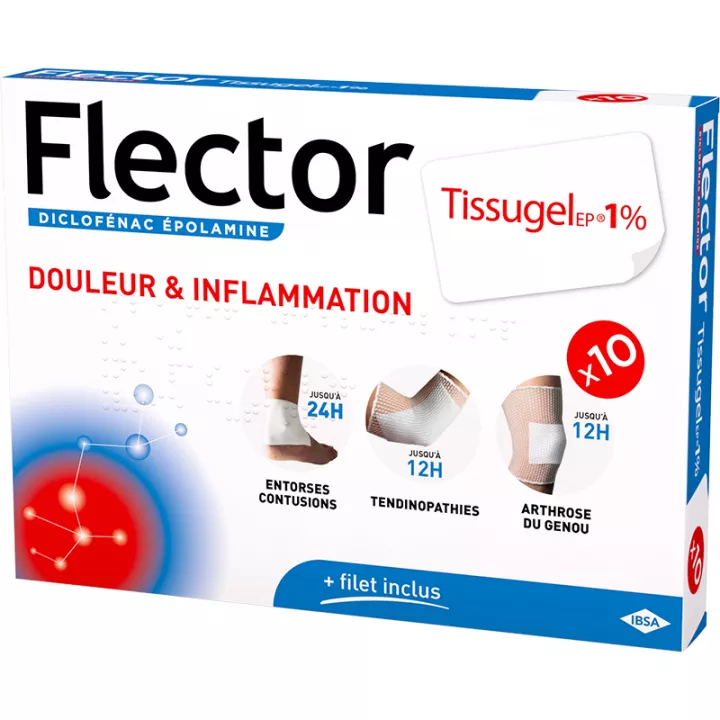 Flector Tissugel EP 1% Diclofenac 10 Patches for Tendinitis & Osteoarthritis
Biogaran Diclofenac 2% Gel Tube belongs to the class of nonsteroidal anti-inflammatory drugs (NSAIDs) intended for topical use. Its ATC code is M02AA15. The active ingredient in this gel is diclofenac, a potent anti-inflammatory known for its analgesic and anti-edematous properties. Designed for topical application, this gel effectively relieves pain, reduces inflammation, and decreases swelling in joints and muscles.
Diclofenac 2% Biogaran Gel Tube is commonly used to treat various painful conditions. For adolescents aged 14 and older, this gel is particularly indicated for the short-term local treatment of muscle and joint injuries such as sprains, strains, dislocations, or contusions often associated with sports activities. Adults can also benefit from this treatment for similar conditions, as well as back pain and other muscle injuries.
The benefits of Diclofenac 2% Biogaran Gel Tube are numerous and varied. This gel works deeply to relieve pain, thanks to diclofenac, an anti-inflammatory known for its effectiveness. It reduces inflammation and helps soothe areas affected by sports injuries, such as sprains and strains. Additionally, it helps reduce swelling, thereby promoting faster recovery of the affected tissues.
Applying Biogaran 2% Diclofenac Gel Tube to the skin allows for rapid, targeted penetration of the active ingredient. Unlike oral medications, this gel minimizes the risk of systemic side effects and offers a convenient and effective solution for rapid relief of localized pain. Diclofenac, with its powerful anti-inflammatory effect, not only reduces pain but also prevents associated swelling and stiffness.
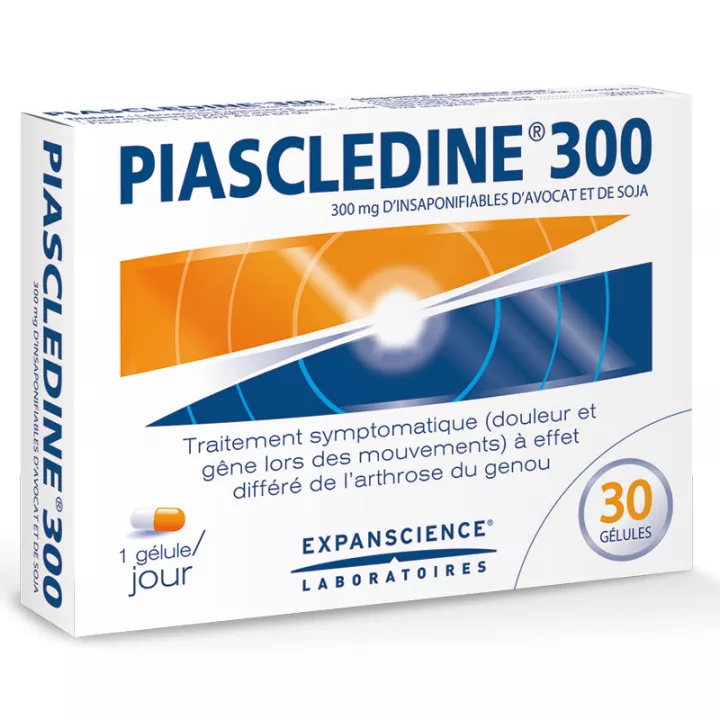
In cases of osteoarthritis, it may be beneficial to combine this treatment with a symptomatic treatment that takes effect over time to complement the local effect.
For athletes, Diclofenac 2% Biogaran Gel Tube is an indispensable ally. Whether for a minor injury such as a sprain or strain, this gel provides immediate relief and aids in recovery. Sports injuries can cause significant pain and swelling, but applying this gel helps reduce these symptoms and allows you to resume physical activity more quickly. Biogaran 2% Diclofenac Gel Tube is an excellent option for relieving muscle pain, just like Flector in ointment form, which also provides effective relief.
In addition, this gel is easy to apply and leaves no greasy residue on the skin, making it convenient for daily use. It is designed to be massaged in, which improves the penetration of the active ingredient and maximizes the benefits of the treatment. For athletes, it’s a top choice for maintaining their performance and well-being.
Adults suffering from back pain can also find significant relief with Diclofenac 2% Biogaran Gel Tube. This gel specifically targets muscle and joint pain in the back, providing fast and effective relief. Back pain can be particularly debilitating, affecting mobility and quality of life, but applying this gel can significantly reduce pain and inflammation.
Regular use of Diclofenac 2% Biogaran Gel Tube helps reduce pain andimprove flexibility, thereby helping to maintain an active and healthy lifestyle. In addition to relieving pain, this gel helps reduce inflammation and prevent stiffness, thereby facilitating movement and recovery.
To get the best results from Diclofenac 2% Biogaran Gel Tube, it is essential to follow the instructions for use exactly. Read this package insert carefully before using this medication, as it contains important information for you.
Directions for Use
Apply Diclofenac 2% Biogaran Gel Tube twice daily, ideally in the morning and evening, to the skin over the painful area. For first use, remove the seal by unscrewing and turning the cap upside down. Gently massage a small amount of gel into the affected area until it is absorbed. The amount of product needed depends on the area to be treated. Generally, 2 to 4 grams of gel are sufficient to cover an area of 400 to 800 cm². Wash your hands after each application, unless you are treating that area.
Share your feedback on the usage instructions and dosage for Diclofenac 2% Biogaran Gel Tube with our partner “Verified Reviews” after your purchase.
Precautions for Use
Before using Diclofenac 2% Biogaran Gel Tube, make sure you are not allergic to any of the ingredients. Do not apply the gel to broken skin, open wounds, rashes, or eczema. Avoid applying the gel to large areas of skin for prolonged periods. This medication is for external use only. Avoid contact with the eyes and mucous membranes. In case of accidental contact, rinse thoroughly with clean water. Wash your hands after use to prevent accidental ingestion.
If you are pregnant or breastfeeding, consult your doctor before using this product. Do not use Diclofenac 2% Biogaran Gel Tube if you are in the last three months of pregnancy. Breastfeeding women should avoid applying the gel to the breasts or large areas of skin. If pain persists or worsens after 7 days, consult a doctor.
Diclofenac diethylamine 23.2 mg, equivalent to 20 mg of diclofenac sodium, per 1 g of gel. Other ingredients are: propylene glycol (E1520), oleic alcohol, isopropyl alcohol, butylhydroxytoluene (E321), diethylamine, liquid paraffin, macrogol ketostearyl ether, carbomer 980F, cocoyl caprylocaprate, fragrance (containing hexyl benzoate, citral, and eugenol), and purified water.
Presentation
Biogaran Diclofenac 2% Gel Tube comes as a homogeneous white gel packaged in a 30-gram aluminum tube. The tube is equipped with a polypropylene screw cap for convenient use.
Pharmacovigilance Report an adverse drug reaction(s)
ANSM - Updated on : 07/09/2023
DICLOFENAC BGR CONSEIL 2%, gel
Diclofenac sodium
Always use this medicine exactly as it is described in this leaflet or by your doctor, pharmacist or nurse.
- Keep this leaflet. You may need to read it again.
- Ask your pharmacist for advice and information.
- If you experience any side effects, talk to your doctor, pharmacist or nurse. This also applies to any side effects not mentioned in this leaflet. See section 4.
- You should contact your doctor if you do not feel better or feel worse after 4 days.
- Keep out of the reach of children.
What does this leaflet contain?
1. What is DICLOFENAC BGR CONSEIL 2%, gel and what is it used for?
2. What do I need to know before using DICLOFENAC BGR CONSEIL 2%, gel?
3. How do I use DICLOFENAC BGR CONSEIL 2%, gel?
4. What are the possible side effects?
5. How do I keep DICLOFENAC BGR CONSEIL 2%, gel?
6. Package contents and other information.
1. WHAT IS DICLOFENAC BGR CONSEIL 2%, gel AND WHAT IS IT USED FOR?
Pharmacotherapeutic class: NON-STEROIDIC ANTI-INFLAMMATORY FOR TOPICAL USE - ATC code: M02AA15
Diclofenac is a non-steroidal anti-inflammatory, derived from phenylacetic acid of the arylcarboxylic acid group, with local, anti-inflammatory and analgesic activity.
This medicine is indicated for short-term local treatment of mild trauma, sprains and contusions in adults and adolescents aged 15 and over.
You should consult your doctor if you do not feel any improvement or if you feel worse after 4 days.
2. WHAT DO I HAVE TO KNOW BEFORE USING DICLOFENAC BGR CONSEIL 2%, gel?
Never use DICLOFENAC BGR CONSEIL 2%, gel:
- If you are allergic to diclofenac or any of the other ingredients of this medicine, as listed in section 6.
- If you are pregnant, from the beginning of the 6th month of pregnancy (beyond 24 weeks of amenorrhea).
- Injured skin, whatever the lesion: oozing dermatitis, eczema, infected lesions, burns or wounds.
- History of allergy or hypersensitivity (occurrence of asthma, angioedema, urticaria or acute rhinitis) triggered by a drug containing diclofenac, acetylsalicylic acid or other non-steroidal anti-inflammatory drugs (NSAIDs).
- For children and adolescents under 15 years of age.
Warnings and precautions
Take special care with DICLOFENAC BGR CONSEIL 2%, gel:
Do not swallow.
Do not apply to mucous membranes or eyes.
Apply only to the painful area, on intact, healthy skin with no sores, open lesions or skin with a deczema rash.
After application:
- Hands should be wiped dry with absorbent paper (for example), then washed, except if the site to be treated is involved. Absorbent paper should be disposed of in the garbage can after use.
- Wait for DICLOFENAC BGR CONSEIL to dry before taking a shower or bath.
In case of contact with eyes, rinse thoroughly with water. If discomfort persists, talk to your doctor or pharmacist.
If you develop a rash after using this product, discontinue use immediately. If this occurs, contact your doctor or pharmacist.
DICLOFENAC BGR CONSEIL should be used with caution in patients with a history of :
- stomach or intestinal ulcer, intestinal inflammation, kidney or liver disease (renal or hepatic insufficiency) or blood coagulation disorder (bleeding diathesis),
- bronchial asthma or allergic disease.
Dosage should be kept as low as possible for the shortest time necessary to relieve pain.
To reduce the risk of photosensitization, avoid exposure to sunlight (even hazy sunlight or UV cabins).
See " DICLOFENAC BGR CONSEIL 2% gel contains perfume, propylene glycol and butylated hydroxytoluene" for skin and allergic reactions.
Do not use under an occlusive dressing, but a bandage or compress may be used. If there is no improvement after 4 days or if symptoms worsen, consult a doctor.
In the event of intensive use, the physiotherapist should wear gloves.
Children and adolescents (under 15)
There are limited data on safety and efficacy in children and adolescents under 15 years of age (see "Never use DICLOFENAC BGR CONSEIL 2% gel in the following situations").
Other medicines and DICLOFENAC BGR CONSEIL 2%, gel
Tell your doctor or pharmacist if you are taking, have recently taken or may take any other medicines.
This medicine contains diclofenac. Other medicines contain diclofenac, particularly certain oral medicines. Do not combine them, so as not to exceed the maximum recommended doses (see "Dosage" and "Administration").
DICLOFENAC BGR CONSEIL 2%, gel with food, drink and alcohol
Not applicable.
Pregnancy, breast-feeding and fertility
If you are pregnant or breastfeeding, think you may be pregnant or are planning to become pregnant, ask your doctor or pharmacist for advice before taking any medicine.
Pregnancy
Before the beginning of the 6th month of pregnancy (up to the 24th week of amenorrhea), you should not take this medicine unless absolutely necessary, as determined by your doctor, due to the potential risk of miscarriage or malformations. In such cases, the dose should be kept as low as possible and the duration of treatment as short as possible.
From the beginning of the 6th month to the end of pregnancy (beyond the 24th week of amenorrhea), this medicine is contraindicated. You should NEVER take this medicine, as its effects on your child may have serious or even fatal consequences, particularly on the heart, lungs and/or kidneys, even with a single dose.
If you have taken this medicine when you were pregnant, tell your obstetrician-gynecologist immediately, so that suitable monitoring can be offered to you if necessary.
Breast-feeding
As this drug passes into breast milk, it is not recommended to use it while breast-feeding.
If you are breast-feeding, do not apply this product to your breasts.
Fertility
This drug, like all non-steroidal anti-inflammatory drugs (NSAIDs), may impair fertility in women, leading to difficulties in becoming pregnant, which may be reversible on discontinuation of treatment. Inform your doctor if you are planning a pregnancy or have difficulty conceiving.
Sportsmen
Not applicable.
Driving and use of machinery
Topical application of diclofenac has no effect on the ability to drive or operate machinery.
DICLOFENAC BGR CONSEIL 2%, gel contains perfume, propylene glycol and butylated hydroxytoluene.
This medicine contains propylene glycol and may cause skin irritation.
This medicine contains butylated hydroxytoluene (E321) and may cause local skin reactions (e.g. contact dermatitis) or irritation of the eyes and mucous membranes.
This product contains perfume containing hexyl benzoate and dipropylene glycol, which may cause local irritation, citral and leugenol, which may cause allergic reactions.
3. HOW DO I USE DICLOFENAC BGR CONSEIL 2%, gel?
Do not use this gel in children (under 15 years of age).
Dosage
1 application, 2 times a day (preferably morning and evening) on the painful area. The quantity required depends on the size of the painful area: the dose administered for each application should not exceed 2.5 g of gel.
Method of administration
Local use.
EXTERNAL USE.
Gently massage the gel into the painful or inflammatory area for a prolonged period. After application:
- Hands should be wiped with absorbent paper (for example), then washed, except if the site to be treated is involved. Absorbent paper should be disposed of in the garbage can after use.
- Wait for DICLOFENAC BGR CONSEIL to dry before showering or bathing.
Duration of treatment
The duration of treatment is limited to 4 days. If pain persists beyond this period, a doctor should be consulted.
If you have used more DICLOFENAC BGR CONSEIL 2% gel than you should have
In case of overdose or accidental intoxication, wipe off excess gel with absorbent paper, rinse thoroughly with water and consult your doctor or pharmacist immediately.
If you forget to use DICLOFENAC BGR CONSEIL 2%, gel
If you accidentally miss a dose, wait until your next dose and continue your treatment as usual. Do not take a double dose to make up for the one you forgot to take.
If you stop using DICLOFENAC BGR CONSEIL 2%, gel
Not applicable.
4. WHAT ARE THE POSSIBLE SIDE EFFECTS?
Some rare and very rare side effects may be severe.
If you experience any of the following signs of allergy, discontinue use immediately and inform your doctor or pharmacist.
- Allergic skin reactions: rash (with or without pimples), urticaria, bullae.
- Respiratory problems such as asthma attacks (short, noisy breath, impression of reduced respiratory capacity).
- General manifestations of anaphylaxis (swelling of face, lips, tongue, throat).
- More frequently, adverse reactions, generally mild and transient, may occur:
- Local skin reactions such as redness, itching, skin irritation, erosion or local ulceration.
- Very rarely, increased sensitivity to sunlight.
- Other general effects of non-steroidal anti-inflammatory drugs, depending on the amount of gel applied, the surface treated and its condition, the duration of treatment and whether or not a closed dressing is used (digestive, renal effects).
Reporting side effects
If you experience any side effects, please tell your doctor, pharmacist or nurse. This also applies to any side effects not mentioned in this leaflet. You can also report adverse reactions directly via the national reporting system: Agence nationale de sécurité du médicament et des produits de santé (ANSM) and the network of Centres Régionaux de Pharmacovigilance - Website: https://signalement.social-sante.gouv.fr
By reporting adverse reactions, you are helping to provide more information on drug safety.
5. HOW TO CONSERVE DICLOFENAC BGR CONSEIL 2%, gel?
Keep out of sight and reach of children.
Do not use this medicine after the expiration date indicated on the packaging and on the tube after EXP. The expiration date refers to the last day of that month.
Use within 30 days of first opening.
Store at a temperature not exceeding 25°C.
Do not refrigerate. Do not freeze.
Do not dispose of any medicine down the drain or in the household waste. Ask your pharmacist to dispose of any medicines you no longer use. These measures will help protect the environment.
6. CONTENTS AND OTHER INFORMATION
What DICLOFENAC BGR CONSEIL 2% gel contains
- The active substance is :
Diethylamine diclofenac.................................................................................................... 2.32 g
Quantity corresponding to diclofenac sodium.......................................................................... 2.00 g
For 100 g of gel.
- Other excipients are :
Propylene glycol (E1520), oleyl alcohol, isopropyl alcohol, butylated hydroxytoluene (E321), diethylamine, light liquid kerosene, macrogol cetostearyl ether, carbomer 980 F, cocoyl caprylocaprate, perfumed cream (containing dipropylene glycol, hexyl benzoate, citral, leugenol), purified water.
What DICLOFENAC BGR CONSEIL 2% gel is and what it contains
Box of 1 tube of 30 g.
Marketing authorization holder
15, BOULEVARD CHARLES DE GAULLE
92700 COLOMBES
Marketing authorization holder
BIOGARAN
15, BOULEVARD CHARLES DE GAULLE
92700 COLOMBES
Calle Venus 72 - Poligono Industrial Colon II
Terrassa Barcelona 08228
Spain
Product names in member states of the European Economic Area
Not applicable.
The last date on which this leaflet was revised was :
[to be completed subsequently by the holder].
Detailed information on this drug is available on the ANSM (France) website.
HEALTH ADVICE/EDUCATION
Caution : If you are completely functionally impotent, i.e. you cannot use your limb, or if you have a large hematoma ("bruise"), you should consult your doctor immediately.
If you have just suffered a trauma or contusion, you can use the gel for up to 4 days to relieve your pain. Do not resume sports or strenuous exercise until the pain has completely disappeared.
In addition, in the event of :
Ankle sprain
You should consult your doctor, who will determine whether an X-ray and orthopedic treatment are necessary:
- if you can't stand on your leg at all to take four steps,
- or if a hematoma (bruise) appears within 24 to 48 hours,
- or if there is very significant deformity or swelling.
Knee injury
You should consult your doctor, who will determine whether X-rays and orthopedic treatment are necessary:
- in case of severe knee swelling, with or without hematoma,
- and/or if you are unable to bear weight.
Ce gel contient un anti-inflammatoire non stéroïdien (AINS). Il lutte localement contre l'inflammation et la douleur.
Il est utilisé dans le traitement local de courte durée des entorses et des contusions.
Les prix mentionnés ne tiennent pas compte des « honoraires de dispensation » du pharmacien.
| p 100 g | |
| Diclofénac diéthylamine | 2,32 g |
| soit Diclofénac sodique | 2 g |
| Butylhydroxytoluène | + |
| Propylèneglycol | + |
Ce médicament est destiné à être utilisé sur les conseils de votre pharmacien en cas de traumatisme bénin. Un avis médical est préférable en cas de douleur violente, d'œdème important ou si la mobilité du membre ou de l'articulation est limitée.
Bien que le passage du diclofénac dans le sang soit très faible, des précautions sont nécessaires en cas d'antécédent d'ulcère de l'estomac ou du duodénum, d'insuffisance rénale, d'insuffisance hépatique ou d'inflammation de l'intestin.
En cas d'apparition d'une éruption cutanée après l'application du gel, interrompez le traitement et prenez l'avis de votre médecin.
Afin de limiter le risque de photosensibilisation, évitez d'exposer la zone traitée aux rayons UV (soleil, cabine de bronzage).
N'appliquez pas ce gel sous un pansement étanche (occlusif) sans avis médical.
Les AINS pris par voie orale peuvent être toxiques pour le fœtus ; leur utilisation est contre-indiquée pendant les 4 derniers mois de la grossesse. Les AINS destinés à une application locale peuvent traverser la peau, passer dans le sang et exposer le fœtus au même risque. N'utilisez pas ce médicament pendant les 5 premiers mois de la grossesse sans avis médical. Son usage est formellement contre-indiqué à partir du 6e mois de la grossesse.
N'utilisez pas ce gel pendant l'allaitement sans avis médical.
Appliquer un peu de gel (sans dépasser 2,5 g) en massage doux et prolongé sur la région douloureuse.
Sans avis médical, la durée du traitement ne doit pas dépasser 4 jours. Si les douleurs persistent après ce délai, consultez votre médecin pour réévaluer le traitement.
Ce gel peut être irritant pour les yeux ou les muqueuses : lavez-vous les mains après l'application. En cas de contact accidentel avec les yeux, rincez abondamment.
Fréquents (1 à 10 % des personnes) : rougeur ou irritation cutanée, démangeaisons.
Très rares : réaction allergique cutanée (éruption cutanée, urticaire..) ou générale (œdème de Quincke, asthme) nécessitant l'arrêt du traitement, photosensibilisation.
Abréviation d'anti-inflammatoire non stéroïdien. Famille de médicaments anti-inflammatoires qui ne sont pas dérivés de la cortisone (stéroïdes), et dont le plus connu est l'aspirine.
Consultez l'article : Anti-inflammatoires non stéroïdiens (AINS)
Réaction cutanée (démangeaisons, boutons, gonflement) ou malaise général apparaissant après un contact avec une substance particulière, l'utilisation d'un médicament ou l'ingestion d'un aliment. Les principales formes d'allergie sont l'eczéma, l'urticaire, l'asthme, l'œdème de Quincke et le choc allergique (choc anaphylactique). L'allergie alimentaire peut également se traduire par des troubles digestifs.
Affection guérie ou toujours en évolution. L'antécédent peut être personnel ou familial. Les antécédents constituent l'histoire de la santé d'une personne.
Médicament qui lutte contre l'inflammation. Il peut être soit dérivé de la cortisone (anti-inflammatoire stéroïdien), soit non dérivé de la cortisone (anti-inflammatoire non stéroïdien ou AINS).
Maladie caractérisée par une difficulté à respirer, se traduisant souvent par des sifflements. L'asthme, permanent ou survenant par crise, est dû à un rétrécissement et à une inflammation des bronches.
Consultez l'article : Asthme
Partie de l'intestin dans laquelle pénètrent les aliments issus de l'estomac.
Maladie de la peau se manifestant par des boutons et de vives démangeaisons. L'eczéma peut être dû au contact avec une substance allergisante (eczéma de contact) ou être lié à une prédisposition génétique (eczéma atopique).
Consultez l'article : Dermatite atopique (eczéma atopique)
Lésion des ligaments d'une articulation due à un traumatisme.
Consultez l'article : Entorse
Apparition de boutons ou de plaques sur la peau. Ces lésions peuvent être dues à un aliment, à un médicament, et traduire une allergie ou un effet toxique. De nombreux virus peuvent également provoquer des éruptions de boutons : celles de la rubéole, de la roséole et de la rougeole sont les plus connues.
Réaction naturelle de l'organisme contre un élément reconnu comme étranger. Elle se manifeste localement par une rougeur, une chaleur, une douleur ou un gonflement.
Incapacité du foie à remplir sa fonction, qui est essentiellement l'élimination de certains déchets, mais également la synthèse de nombreuses substances biologiques indispensables à l'organisme : albumine, cholestérol et facteurs de la coagulation (vitamine K, etc.).
Incapacité des reins à éliminer les déchets ou les substances médicamenteuses. Une insuffisance rénale avancée ne se traduit pas forcément par une diminution de la quantité d'urine éliminée. Seuls une prise de sang et le dosage de la créatinine peuvent révéler cette maladie.
Tissu (membrane) qui tapisse les cavités et les conduits du corps communiquant avec l'extérieur (tube digestif, appareil respiratoire, voies urinaires, etc.).
Sensibilité anormale de la peau à la lumière ou aux rayons ultraviolets, due à un médicament ou à une substance naturelle ou chimique.
Consultez l'article : Photosensibilisation.
Réaction allergique touchant généralement le visage. L'œdème de Quincke se traduit par un gonflement parfois spectaculaire. Les paupières sont souvent les premières touchées. Dans les rares cas où l'œdème touche la gorge, des troubles respiratoires peuvent survenir et un traitement urgent est nécessaire.
Réaction due à l'hypersensibilité de l'organisme à un médicament. Les réactions allergiques peuvent prendre des aspects très variés : urticaire, œdème de Quincke, eczéma, éruption de boutons rappelant la rougeole, etc. Le choc anaphylactique est une réaction allergique généralisée qui provoque un malaise par chute brutale de la tension artérielle.
Consultez l'article : Peut-on être allergique aux médicaments ?
Lésion en creux de la peau, des muqueuses ou de la cornée.
Éruption de boutons sur la peau, dont l'origine est le plus souvent allergique. Les boutons ressemblent à des piqûres d'orties et leur couleur varie du rose pâle au rouge. L'urticaire peut apparaître ou disparaître en quelques minutes, et provoque d'intenses démangeaisons ; elle peut être localisée ou généralisée à la totalité de la surface cutanée.
Abréviation d'ultraviolet.