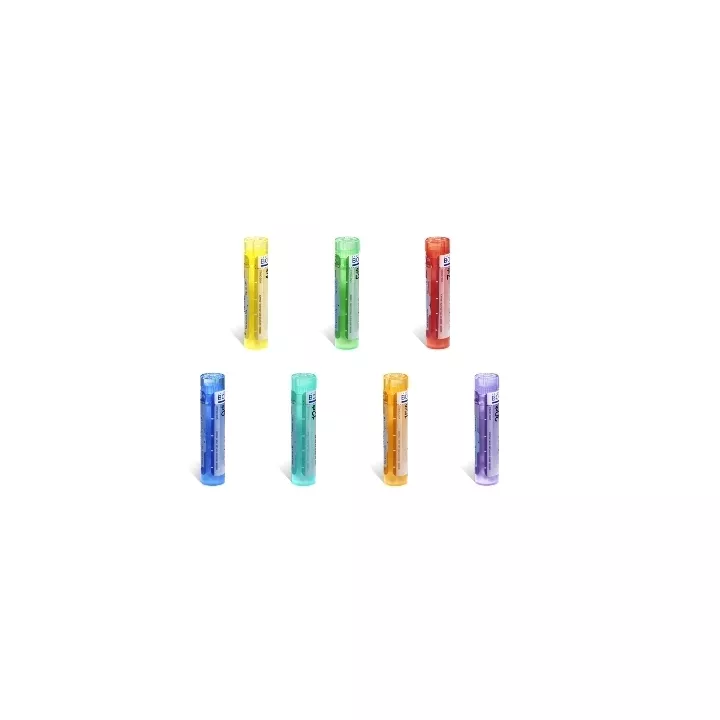
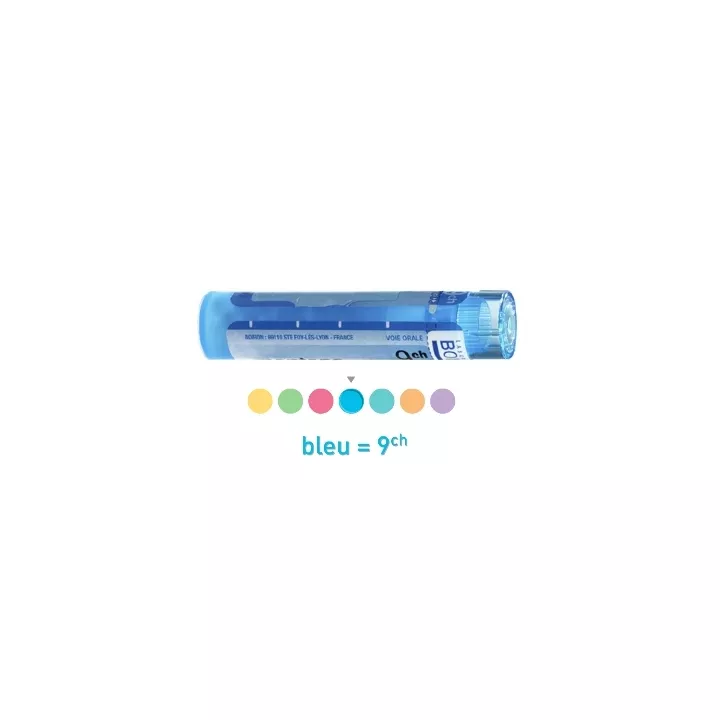
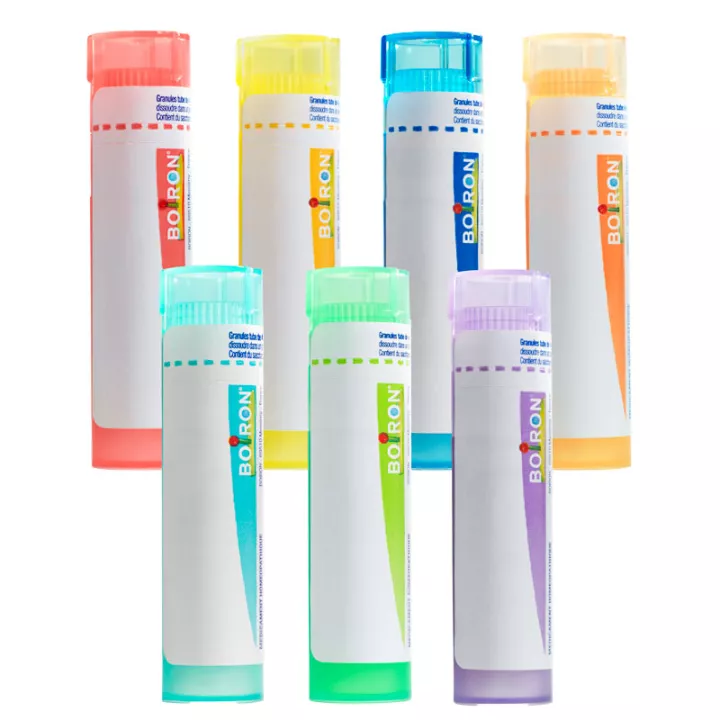
VIBURNUM OPULUS 5CH, 7CH Homeopathic Granules by Boiron, a medication available for natural treatment at an authorized online pharmacy. Its ability to relieve pain and regulate cycles makes it a preferred choice in the field of natural gynecology.

 CLEMATIS ERECTA 4CH, 5CH, 7CH, 9CH Boiron Homeopathic Granules
Viburnum Opulus Boiron: Homeopathic Treatment for Menstrual Pain and Gynecological Support
Viburnum opulus, also known as snowball bush, is a leading homeopathic remedy for addressing menstrual disorders. Its ability to relieve pain and regulate cycles makes it a preferred option in the field of natural gynecology.
Approved Medication: Aut.0678
Origin: Plant-based
Available from TM to 30 CH
The guelder rose, known by its scientific name Viburnum opulus, stands out as a shrub with recognized medicinal properties. This plant, which thrives in wetlands, is particularly valued for the bark of its young stems, which is rich in therapeutic properties. Despite the toxicity of its fruits, the guelder rose has established itself as a staple in natural medicine, particularly in the treatment of symptoms related to menstrual cycles.
In the world of natural remedies, Viburnum opulus stands out for its effectiveness in treating menstrual symptoms. To get the most out of its benefits, it is essential to follow the dosage appropriate for each situation.
Although less well-known, this remedy shows remarkable results against painful menstruation and gynecological imbalances. It is effective both for soothing pain in the ovaries and uterus and for correcting delayed periods and light menstrual flow.
Viburnum opulus, or guelder rose, is a shrub in the Caprifoliaceae family. Found in humid areas up to 1,600 meters in elevation, it is recognizable by its red berries and white flowers, which resemble a snowball. Used for generations for its soothing properties—particularly for cramps—the bark of this shrub is used to make homeopathic remedies derived from herbal medicine.
Guelder rose has long been celebrated for its health benefits and is primarily used in the form of an extract in homeopathic treatments. Its ability to relieve painful periods and alleviate menstrual-related symptoms makes it a preferred remedy for women’s well-being.
The use of Viburnum opulus in women’s health is both traditional and grounded in empirical evidence. Women find this plant to be an effective aid in managing menstrual discomfort and pain, thanks to its antispasmodic and relaxing effects on the uterine muscles.
Although primarily recognized for its effects on menstrual disorders, the range of action of Viburnum opulus extends to other conditions. Its therapeutic potential includes the treatment of symptoms associated with various illnesses, offering a natural and holistic alternative to those seeking health solutions that are gentle on the body.
Preparing a remedy made from Viburnum opulus requires careful extraction of the bark from young stems to preserve and optimize its beneficial properties. This method ensures a high-quality product that is effective in relieving the targeted symptoms.
Viburnum opulus highlights homeopathy’s commitment to harnessing the virtues of plants to offer natural and tailored treatments. With its inclusion in the homeopathic pharmacopoeia and its availability in various formulations, this plant-based remedy continues to be a mainstay in the field, offering a gentle treatment option for patients seeking natural alternatives for their well-being.
Discover Boiron’s Viburnum Opulus, a homeopathic remedy to relieve dysmenorrhea and uterine pain, and to support pregnancy. Choose a natural approach to your gynecological well-being.
Homeopathic remedies can be used for a variety of symptoms; therefore, it is not possible to specify the indications and dosage for a specific preparation.
A homeopathic physician selects the appropriate remedy, dilution, and dosage based on the patient’s health condition and characteristic symptoms.
Relief from Menstrual Cramps and More
Viburnum Opulus, available from Boiron in 5CH, 7CH, and 9CH granules, is a homeopathic remedy primarily indicated for use in gynecology. It offers natural and effective relief for cramp-like dysmenorrhea, premenstrual uterine pain, as well as painful, scanty, or excessively heavy menstrual periods.
Support During Pregnancy and After Childbirth
In addition to treating menstrual pain, Viburnum Opulus is also recommended for managing complications during pregnancy, including the risks of spontaneous abortion and preterm labor. After childbirth, it can help relieve uterine spasms, contributing to a more comfortable and faster recovery.
A Natural Approach to Women’s Well-Being
The use of Viburnum Opulus in homeopathy reflects a natural and gentle approach to addressing various gynecological concerns. This treatment aims to promote women’s well-being at different stages of life, offering a gentle alternative to conventional treatments.
It is recommended that you do not touch the homeopathic granules with your fingers.
Use a mint-free toothpaste (such as Homéodent Boiron, a toothpaste compatible with taking homeopathic granules).
This remedy is particularly effective for cramp-like dysmenorrhea, relieving pain before and during menstruation. It is suitable for women who have difficulty getting out of bed, are unable to lie on their painful side, and experience a sensation of heaviness or a dull ache in the pelvis.
Symptoms such as light, delayed, or scant menstrual flow, accompanied by hard stools and rectal pain, also find relief with Viburnum opulus.
In cases of painful periods, or when menstruation is delayed or scant, the use of Viburnum opulus 30 CH is recommended. The recommended dosage is 3 granules every 10 minutes in cases of severe pain. It is advisable to space out doses once symptoms begin to improve.
For women experiencing sudden spasms affecting the back, buttocks, and thighs during their menstrual periods, Viburnum opulus 9 CH is recommended. In this case, it is recommended to take 3 granules 6 times within an hour. This same dosage applies to particularly painful menstruation accompanied by blood clots or in cases of frequent urination and associated urinary problems.
Homeopathy also recommends Viburnum opulus 9 CH to combat nausea, feelings of malaise, and an empty feeling in the stomach associated with menstrual disorders. For these symptoms, it is recommended to take 3 granules every 10 minutes, gradually reducing the frequency as symptoms improve.
How Should Viburnum Opulus Be Taken?
It is advisable to consult a healthcare professional for a prescription tailored to your specific condition. The dilution and frequency of administration should be determined based on the intensity and nature of your symptoms.
Does Viburnum Opulus have any side effects?
Like most homeopathic remedies, Viburnum Opulus is generally well tolerated, and side effects are rare. However, if you have any concerns or experience an unusual reaction, it is important to consult a healthcare professional.
Can Viburnum Opulus be used with other medications?
Yes, Viburnum Opulus can often be used in conjunction with other treatments. However, to ensure optimal management of your health, it is recommended that you discuss all medications you are taking with a healthcare professional.
Viburnum Opulus, also known as Snowball Bush or European Snowball, is a versatile plant used in homeopathic medicine for its unique therapeutic properties. Registered under number EH02150, this plant-based remedy is recognized for its effectiveness in treating various conditions, illustrating homeopathy’s ability to incorporate the benefits of nature into its healing practices. This article explores the characteristics, availability, and therapeutic applications of Viburnum opulus.
Viburnum opulus is derived from a shrub that blooms in the temperate regions of Europe, Asia, and North America. Its white flowers and red berries are valued not only for their beauty but also for their active compounds, which, in homeopathy, are used to treat a variety of ailments in a natural and gentle way.
Tubes: Viburnum Opulus is available in tubes at various dilutions, including 5 CH, 7 CH, and 9 CH. This range of potencies offers patients and practitioners the flexibility needed to tailor treatment to the specific needs of each case.
Compounded Preparations: In addition, Viburnum Opulus can be prepared in Hahnemannian dilutions starting at 3 CH for compounded preparations. This customization option allows for the creation of tailor-made remedies that precisely meet individual therapeutic requirements.
Viburnum Opulus is frequently used in homeopathy for its antispasmodic action, which is particularly effective in treating muscle cramps and menstrual pain. Its ability to relieve symptoms associated with conditions such as uterine spasms and colicky pain makes it a remedy of choice in these situations. In addition, Viburnum Opulus may be considered for managing pain and discomfort associated with mild neurological disorders, thanks to its relaxing and soothing properties.
Viburnum opulus is not limited to the treatment of menstrual pain. It is also used in the treatment of various gynecological conditions. Thanks to its relaxing properties, it helps combat dysmenorrhea and premenstrual syndrome, and contributes to better regulation of the menstrual cycle.
Contains sucrose.
For granules or alcohol-based drops, dissolve them in 100 ml of water. Since the granules take a long time to dissolve, you should prepare the mixture in advance.
Homeopathic remedies have no chemical toxicity, no contraindications, no interactions with other medications, and no adverse effects related to the amount ingested. Pregnant women can use them without any known risk to themselves or their unborn child, but it is best to seek advice.
For acute conditions, it is recommended to take homeopathic remedies every hour until symptoms improve. At that point, doses should be spaced out to 3 or 4 times a day, then gradually discontinued.
For chronic conditions, remedies in low dilutions (>9CH) are taken 1 to 2 times a day, while constitutional remedies are taken once a week or even once a month. This decision is up to the homeopath.
Certain conditions cannot be treated with homeopathy through self-medication alone. Their severity requires medical advice, which can be provided by a homeopathic physician. This physician will determine whether your condition can be treated with homeopathy alone or whether your treatment needs to be supplemented with allopathic medicine.

 Rhus Toxicodendron 4CH, 5CH, 7CH, 9CH, 15CH, 30CH Boiron Homeopathic Granules