Thuya Occidentalis Boiron: Homeopathic Solution for Various Conditions
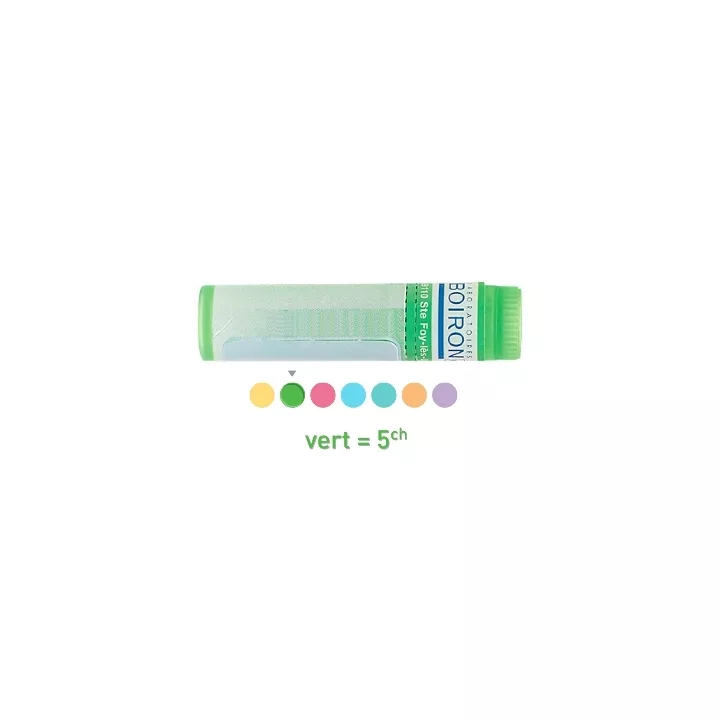
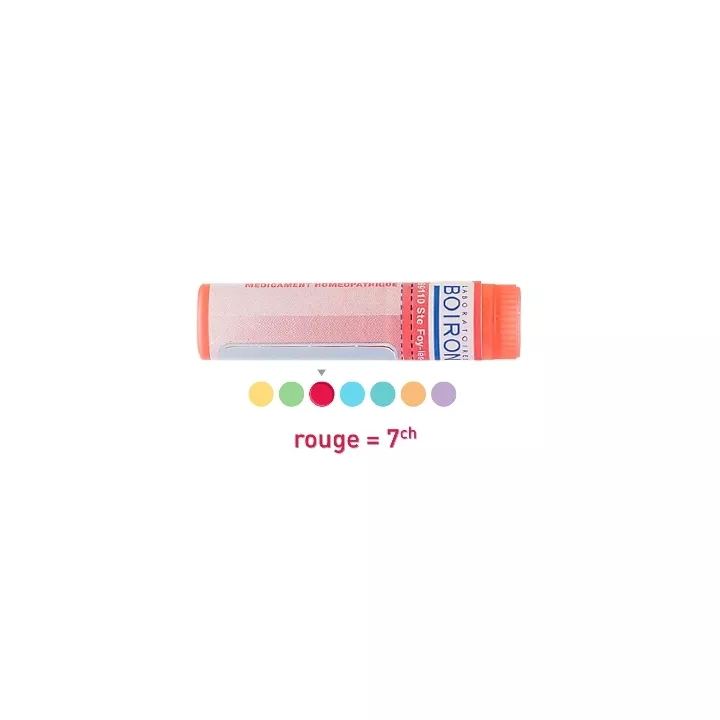
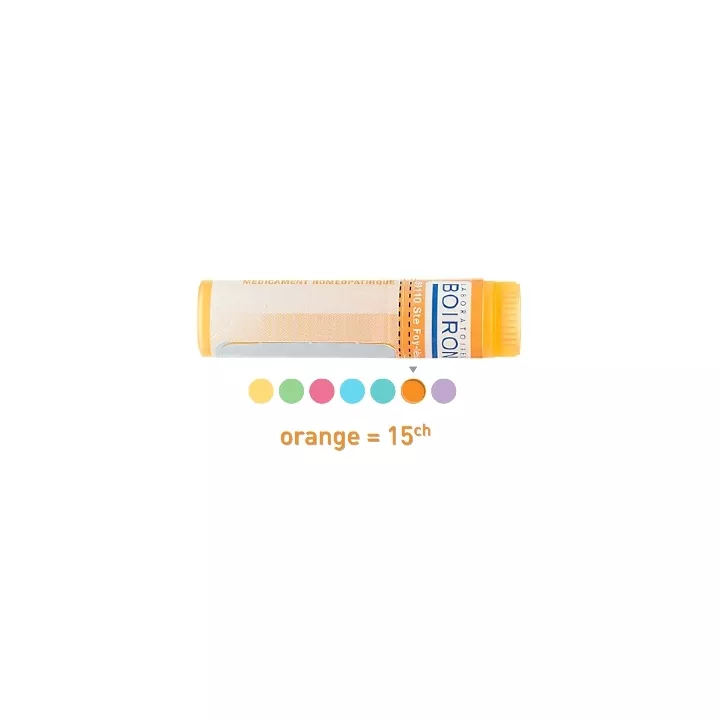
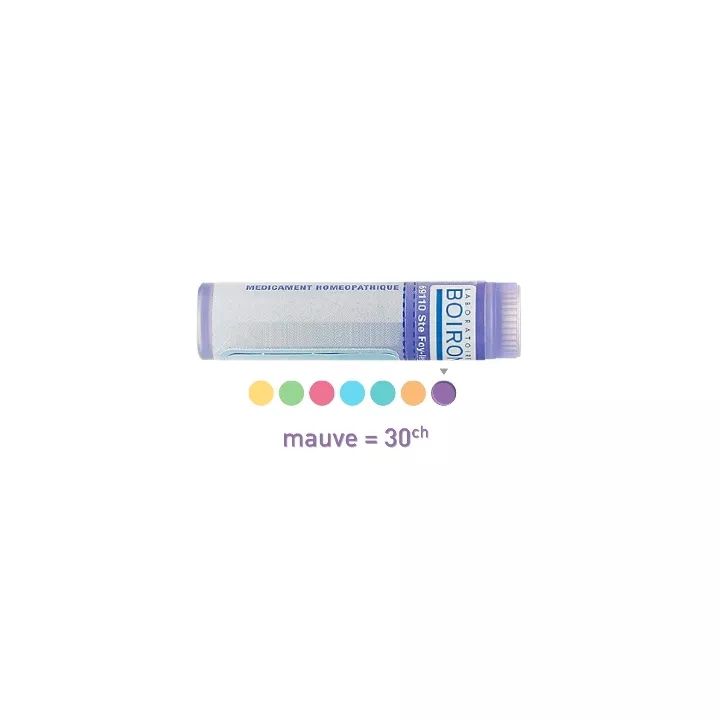
Boiron Thuya occidentalis Single-Dose Homeopathic Remedies: 4CH, 5CH, 7CH, 9CH, 12CH, 15CH, 30CH, 200K, 1000K, 10000K
THUYA OCCIDENTALIS Registered Medication: EH00969
Listed in the Pharmacopoeia, Origin: Plant
Thuya occidentalis is a versatile, natural homeopathic remedy that offers a treatment solution for numerous conditions spanning various medical specialties. Thanks to its therapeutic properties, this remedy is a valuable ally in relieving symptoms and improving patients’ quality of life.
Share your feedback on usage instructions and dosage with our partner; reviews are verified after your purchase.
Available as TM to 30CH and Korsakovian dilutions 200 K, 1,000 K (or MK or 1MK), 10,000 K (or XMK or 10 MK)
If there is no improvement within 24 hours, consult your homeopathic physician.
Indications and Dosage for Thuya Occidentalis Homeopathic Single-Dose
The homeopathic physician selects the dilution and dosage appropriate for the patient’s health condition and characteristic symptoms.
Single-dose homeopathic globules in Korsakovian dilutions can be used for a variety of symptoms; therefore, it is not possible to specify the indications and dosage for a particular preparation.
Thuya is a valuable and versatile homeopathic remedy that can be used to treat a wide variety of health issues. By understanding the different dosages and indications, you can get the most out of this natural remedy. However, it is always best to consult a healthcare professional or an experienced homeopath to determine the appropriate dosage and treatment for your specific situation.
Organic Conditions and Thuja Dosage
Thuya is often prescribed to treat organic disorders such as warts, cellulite, and digestive problems. The dosage usually recommended for these conditions is 4 to 6 CH, taken two or three times a day.
Post-Vaccination Protocol and Invasive Treatments
Some people recommend using Thuya in dilutions of 9, 15, and 30 CH, taking one dose per day for three consecutive days after each vaccination or major medical procedure. However, this protocol should be used with caution, as the use of high dilutions of this remedy should be reserved for specialists.
Learn more about dosages in homeopathy
Homeopathy is a complex medical practice that requires a thorough understanding of its principles and dilutions. To learn more about dosages in homeopathy, it is recommended to consult a homeopathic specialist or take courses on the subject.
Thuya and Its Many Indications
Thuya is a versatile homeopathic remedy that can be used to treat various conditions. Among its main indications are:
- Chronic infections: Thuja is often used to relieve the symptoms of chronic infections and stimulate the immune system.
- Dermatology: Thuja is particularly effective for treating skin conditions such as warts, eczema, and dermatoses.
- Gynecology: Thuja can be used to treat gynecological conditions such as yeast infections and fibroids.
Thuya Occidentalis Boiron: A Versatile Homeopathic Treatment
A Natural Solution for Many Conditions: Thuja occidentalis 9CH, offered by Boiron in standard doses or homeopathic ampoules, is a homeopathic remedy widely used for a variety of conditions affecting different medical specialties. Its versatility makes it particularly useful in treating ENT and pulmonary disorders, as well as dermatological, gastroenterological, gynecological, urological, and rheumatological conditions, and in ophthalmology.
Applications in ENT and Pulmonology
Treatment of Respiratory Conditions: Thuja occidentalis is effective against chronic sinusitis, ear infections, tonsillitis, nasopharyngitis, asthma, and recurrent or chronic bronchitis. It is also recommended for hearing problems associated with these conditions.
Use in Dermatology
Relief from Skin Conditions: This medication is also recommended for treating pustules, vesicles, papules, warts, and cellulitis, offering a natural solution to improve skin condition.
In Gastroenterology
Relief from Digestive Disorders: Thuja occidentalis treats uncomfortable sounds caused by digestive disorders, such as gurgling and hydro-aerial noises, contributing to improved digestive comfort.
In Gynecology and Urology
Treatment of Urinary Tract Infections and More: This medication is used for urinary tract infections, gonorrhea, cystitis, and enlarged prostates, providing support in the treatment of these sensitive conditions.
In Rheumatology
Relief from Joint Pain: Thuja occidentalis effectively treats painful joints exacerbated by cold and humidity, thereby improving mobility and reducing discomfort.
In Ophthalmology
Treatment of Eye Conditions: Chalazia and conjunctivitis are among the eye conditions that can be treated with Thuja occidentalis, relieving symptoms and promoting rapid healing.
Progression of Clinical Signs
Factors That Worsen and Improve Symptoms: Symptoms treated with Thuja occidentalis are generally aggravated by humidity, cold, wind, and rest, but improve with warmth, dry weather, and stretching, thus guiding treatment tailored to each patient’s environmental conditions.
Recommendations for Use and Instructions for Thuya Occidentalis Homeopathic Single-Dose Treatment
- Remove the tab, turn the single-dosetube containingthe Korsakovian dilution upside down, and gently pull the cap.
- Place all the granules from the dose under the tongue.
- It is recommended not to touch the homeopathic granules with your fingers.
- The globules in the single-dose tubes are absorbed in a single dose by allowing them to dissolve slowly under the tongue.
- If a single-dose tube is not available, take 10 granules of the same dilution.
- It is recommended to use a mint-free toothpaste (such as Homéodent by Boiron).
Dilute THUYA OCCIDENTAL 9CH BOIRON homeopathic oral ampoules in 100 ml of water (the equivalent of a small glass of water), or take them directly under the tongue. It is recommended to keep them in your mouth for several minutes to ensure better absorption.
How should Thuya occidentalis Boiron be used?
Follow your homeopathic doctor’s recommendations regarding dosage and duration of treatment for optimal effectiveness.
Is Thuya occidentalis suitable for everyone?
Thuya occidentalis can be used to treat a wide range of conditions in patients of all ages, but a medical consultation is essential for an appropriate prescription.
Packaging and contents of Thuya Occidentalis homeopathic single-dose treatment
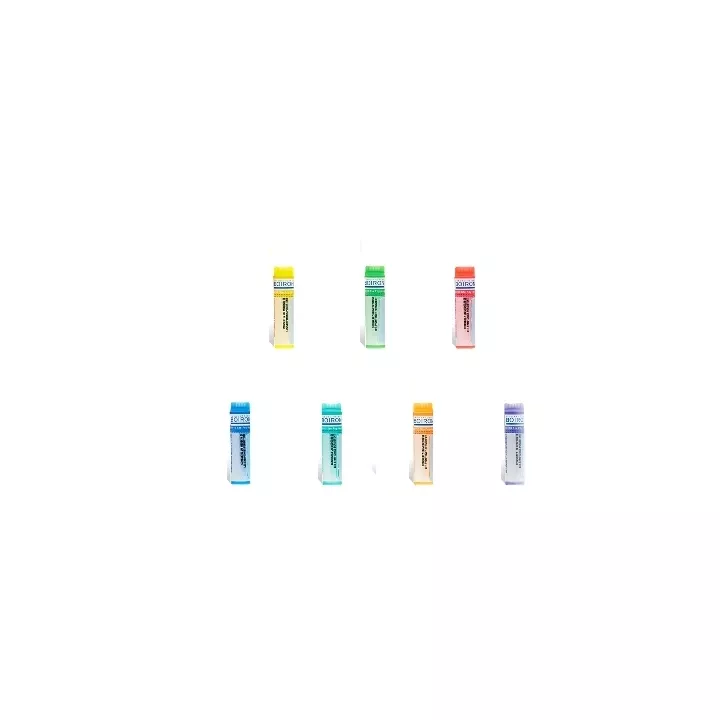
- Single-dose tube of translucent globules (remaining granules are visible). Weight: 1 g.
- Boxes of 30 THUYA OCCIDENTAL 9CH BOIRON homeopathic oral ampoules
- Homeopathic strain in Korsakovian dilutions : 200 K, 1,000 K (or MK or 1MK), 10,000 K (or XMK or 10 MK)
Precautions for Use
Warning
Contains sucrose. Storesingle-dose homeopathic medicines away from light, heat, moisture, and any source of fragrance.
Administering single-dose homeopathic granules to infants and children
Forsingle-dose packets or alcohol-based drops, dissolve them in 100 ml of water.
Homeopathy and Pregnancy
Single-dosehomeopathic remedies inKorsakovian dilutions have no chemical toxicity, no contraindications, no interactions with other medications, and no adverse effects related to the amount ingested.
Pregnant women can use these remedies without any known risk to themselves or their unborn child, but it is best to consult your pharmacist or homeopathic physician if you have any doubts.
Frequency of Homeopathic Use
For acute conditions, it is recommended to take single-dose homeopathic remedies every hour until symptoms improve. Once symptoms improve, space out the doses to 3 or 4 times a day, then gradually stop.
For chronic conditions, remedies in low dilutions (>9CH) are taken 1 to 2 times a day, while single-dose constitutional remedies are taken once a week or even once a month. This decision is up to your homeopath.
What to Do If There Is No Improvement Within 24 Hours
Certain conditions cannot be treated with homeopathy through self-medication alone. Their severity requires medical advice, which can be provided by a homeopathic physician. This medical doctor will determine whether your condition can be treated with homeopathy alone or whether your treatment needs to be supplemented with allopathic medicine.