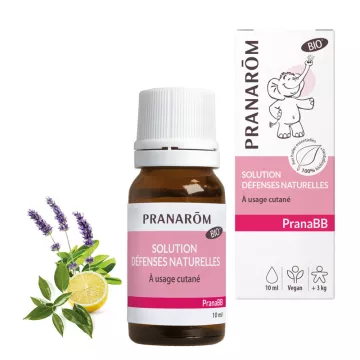
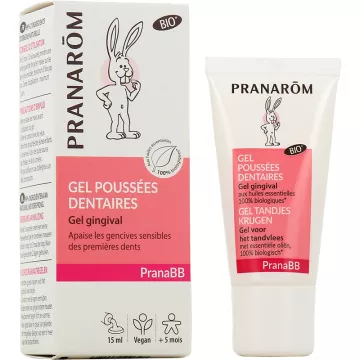
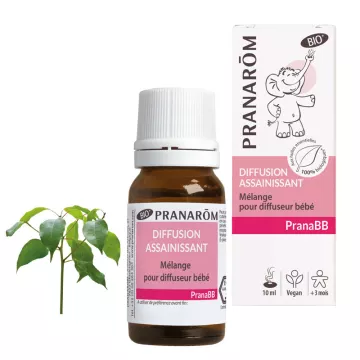
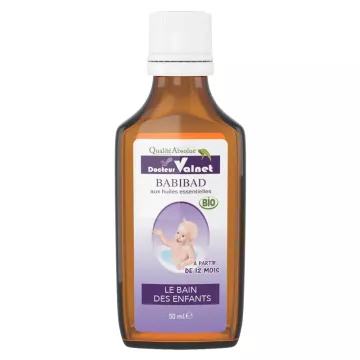
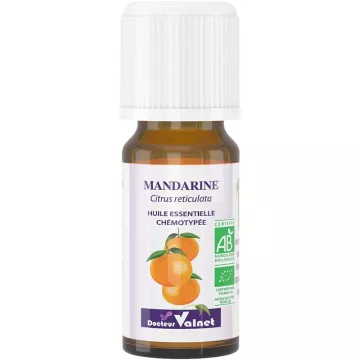
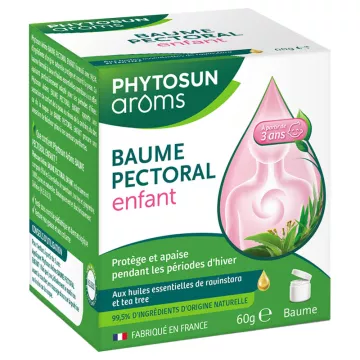
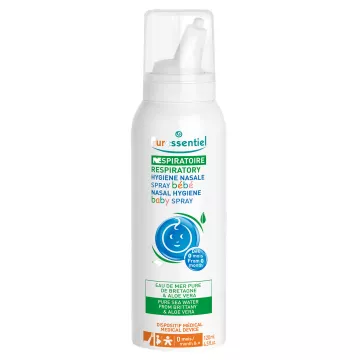
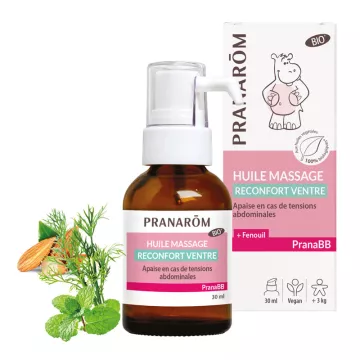
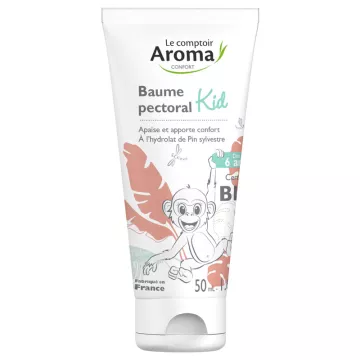
What if relieving everyday minor ailments became a moment of shared comfort? At Soin-et-Nature, we’ve selected essential oils specially formulated for children to safely help with their sleep issues, minor winter ailments, or digestive discomfort. Whether used in massage, diffused, or applied topically, they offer a sensory, reassuring approach that respects their natural balance.
More details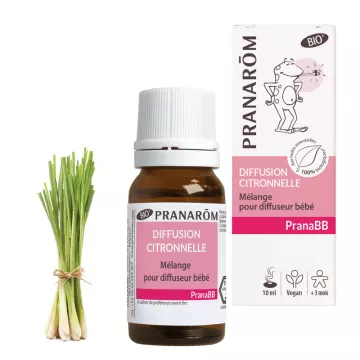
Today, the fragrances of essential oils are used in home fragrances, cosmetics, and massage balms. They are sold undiluted for medicinal purposes to treat conditions such as colds (eucalyptus) and stress (lavender). They can be inhaled, diffused, diluted in bathwater, or applied directly to the skin.
Up to age 3:
Children: Essential oils of sage, hyssop, thuja, eucalyptus, and camphor should be avoided in children due to the risk of seizures.
Over the age of three
It is recommended not to give any essential oil to a child without medical advice, in any form whatsoever. With a doctor’s guidance, certain oils may be used in specific dilutions and forms.
Essential Oils for Children: Find a selection of the best essential oils for children at your organic pharmacy to provide your child with effective, high-quality natural care.
Essential oils for children serve multiple purposes thanks to their complex composition of active molecules: they treat ailments but also act preventatively and help boost children’s immune systems. Because they are extremely potent, these essential oils must be used with caution.
Colds, eczema, motion sickness: certain essential oils have properties that can safely relieve your children’s ailments. But, of course, special precautions must be taken to avoid any risk to children. They can quickly relieve pain, strengthen your children’s immune systems, and treat common ear, nose, and throat (ENT) conditions. Aromatherapy for children is useful for everyday minor ailments.
Aromatherapy offers several benefits for children, including:
Despite its many benefits, aromatherapy should be used with caution in children. It is important to follow dosage guidelines, choose essential oils appropriate for the child’s age, and consult a healthcare professional if in doubt.
The restrictions or precautions that apply to adults apply just as much—if not more so—to children:
Essential oils should generally be diluted more heavily when used for children. Once again, strictly follow the instructions provided by your doctor. Topical application and diffusion into the air are generally the preferred methods for children, although oral administration may be considered in certain cases. Keep bottles out of children’s reach, and to ensure proper use of the product, do not let them use it on their own. Above all, be sure to research the appropriate use based on your child’s condition and age.
Choosing an essential oil for an infant is very delicate—partly because of infants’ enzymatic immaturity and partly because the use of essential oils requires numerous precautions; in fact, improper handling can be harmful or even dangerous.
Several factors play a role in the potential harm of an essential oil, such as its content of toxic molecules, the method of application, the dosage, and the duration of use. It is therefore important to test an essential oil before use by applying a drop to the crook of the elbow to check for any allergic reaction (redness, tingling, etc.). Furthermore, pure essential oil should never be applied to mucous membranes (nose, eyes, etc.). This type of application requires the essential oil to be systematically diluted to the appropriate concentration.
The appropriate dilution rate for an essential oil for an infant over 3 months of age is between 0.5 and 1 percent in a fatty base (such as a natural vegetable oil ), regardless of the type of condition being treated.
Topical application remains the best method for an infant; when used properly, it is the safest route of administration for your baby.
Essential oils that can be used on infants starting at 3 months of age (weighing between 4.3 kg and 6.9 kg) are:
WARNING! It is strictly prohibited to use essential oils of the following chemotype on infants:
Some essential oils can be toxic and dangerous if proper precautions are not followed. If in doubt, it is recommended to usehydrosols (floral waters) for infants.
A hydrosol is not as potent as an essential oil; however, since it consists of water (floral water), it retains water-soluble aromatic molecules and remains lightly scented, possessing certain therapeutic properties; such as orange blossom water, which is used to regulate children’s sleep.
Soin-et-Nature offers a complete range of natural care products specially designed to meet children’s needs and support their well-being. Here are the main categories available:
These natural children’s care products, available at Soin-et-Nature, help you care for their health and well-being in a gentle, natural way that’s perfectly suited to their young age.