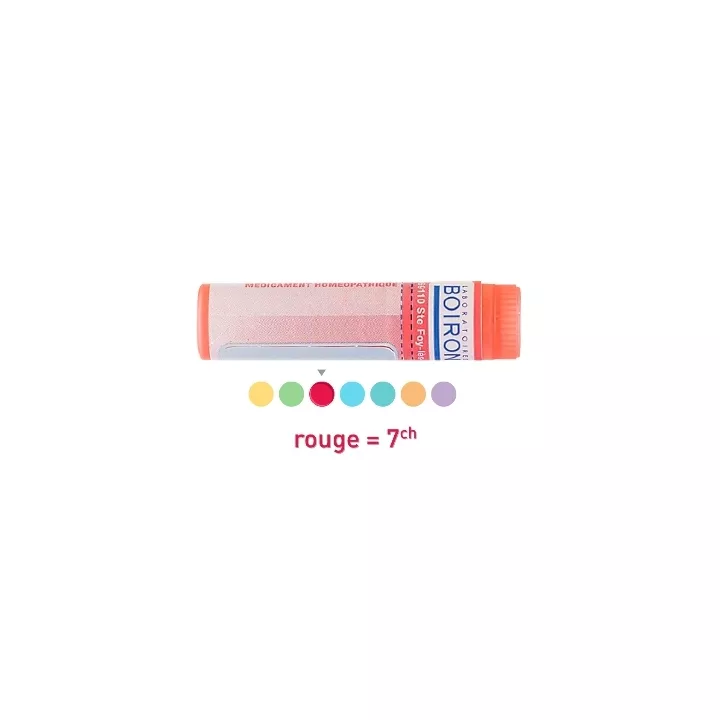
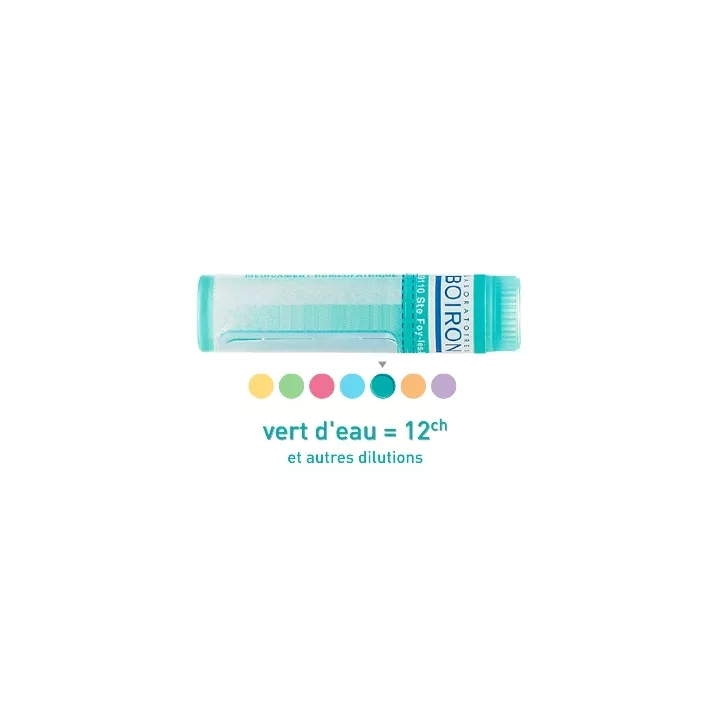
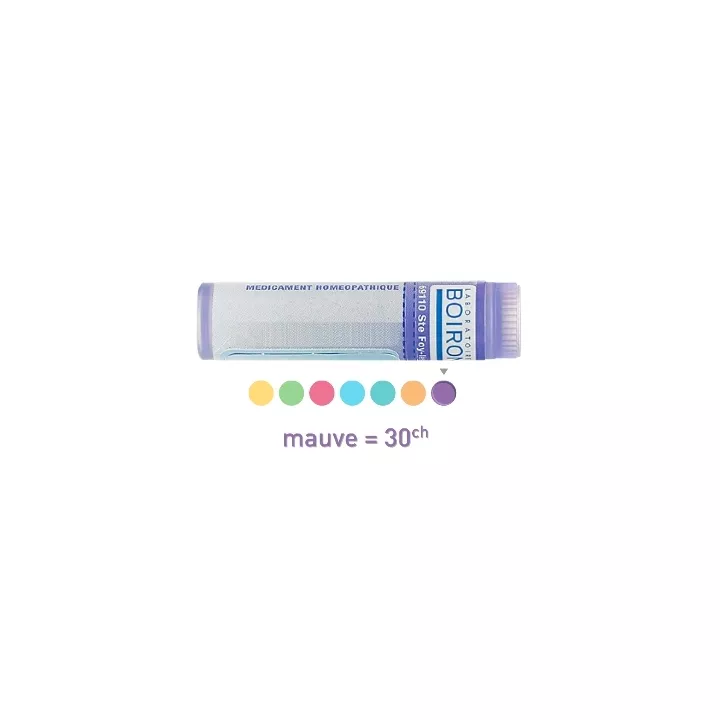
Iris versicolor 7CH, 9CH, 12CH, 15CH, 30CH single-dose homeopathic remedy by Boiron
Registered medication: EH00575
Source: Plant
Iris versicolor, also known as clajeux, is a medicinal plant used in homeopathy for its beneficial effects on the digestive system and migraine symptoms. This remedy, listed in the French and European Pharmacopoeias and registered under number EH00575, is available in single doses, tubes, and compounded preparations.
Iris versicolor, native to North America, is a plant in the Iridaceae family that possesses numerous healing properties. Its rhizome is macerated in alcohol to produce the mother tincture, which is then diluted several times to acquire all the characteristics of the homeopathic remedy Iris versicolor. This remedy is effective for treating various gastroenterological conditions and for relieving pain.
Indications and Dosage
The homeopathic physician selects the appropriate remedy, dilution, and dosage based on the patient’s health condition and characteristic symptoms.
The clinical indications for Iris versicolor are primarily related to painful inflammation of the esophagus, gastric acidity, and intense burning sensations in the epigastric region. It is also prescribed for gastroesophageal reflux, esophageal spasms, constipation, diarrhea, nausea, and vomiting. Diarrhea characterized by cramps and pain in the anal region after a bowel movement can also be successfully treated with Iris versicolor.
In rheumatology, this homeopathic remedy is recommended for the treatment of shoulder pain, which is aggravated by movement, and pain localized to the joints. It is also used to relieve localized headaches as well as ophthalmic or neuralgic migraines. This remedy is therefore prescribed for neuralgia, primarily facial neuralgia, and in laryngology to treat sore throats or painful tonsillitis.
For the treatment of heartburn, it is recommended to take five granulesof Iris versicolor 5 CH before each meal. In the specific case of stomach spasms accompanied by pain, the dosage is three granules of 4 CH once a day. When diarrhea is watery or accompanied by a burning sensation along the digestive tract, patients are given five granulesof Iris versicolor 5 CH one to three times a day.
To relieve pain resulting from a headache or migraine, the recommended dosage is five granules ofIris versicolor 5 CH one to three times a day. When the pain of a migraine attack is more intense and is accompanied by visual disturbances, the dosage is three granules ofIris versicolor 4 CH every five minutes. For localized pain in the anus or mouth, take five granules ofIris versicolor 5 CH every 30 minutes.
Single-dose homeopathic globules can be used for a variety of symptoms; therefore, it is not possible to specify the indications and dosage for a specific preparation.
Therapeutic Applications
Iris versicolor is primarily used to treat the following conditions:
- Digestive Disorders: Effective in relieving symptoms of gastritis, dyspepsia, and liver disorders, including nausea, diarrhea, and heartburn.
- Headaches and Migraines: Used for headaches and migraines associated with digestive disorders, particularly when these symptoms are accompanied by nausea or visual disturbances.
- Skin Conditions: May help treat rashes and skin conditions related to liver disorders.
Directions for Use
Remove the tab, turn the single-dosetube upside down, and gently pull the cap.
Place all the globules from the dose under the tongue.
It is recommended not to touch the homeopathic globules with your fingers.
The globules in the single-dose tubes are absorbed all at once by allowing them to dissolve slowly under the tongue.
If a single-dose tube is not available, take 10 globules of the same dilution.
It is recommended to use a mint-free toothpaste (such as Homéodent Boiron).
Iris versicolor offers a natural and effective therapeutic solution for people suffering from digestive disorders and migraines associated with liver dysfunction. Its availability in various forms and potencies allows for a flexible and personalized approach to homeopathic treatment. It is recommended to consult a qualified healthcare professional to determine the most appropriate treatment and to ensure the safe and effective use of this remedy.
Packaging and Quantity
Origin and Properties
Native to North America, Iris versicolor is renowned for its beautiful, colorful flowers and its medicinal properties. In homeopathy, it is particularly valued for treating liver disorders and headaches linked to liver dysfunction.
Forms of Preparation
Doses and Tubes: Iris versicolor is available in several dilutions to suit different therapeutic needs:
- Potencies: 5 CH, 7 CH, 9 CH, 12 CH, 15 CH, 30 CH
- Vials: 4 CH, 5 CH, 7 CH, 9 CH, 12 CH, 15 CH, 30 CH, 6 DH
Compounded Preparations: In addition to the standard forms, Iris versicolor can be prepared in Hahnemannian dilutions starting at 2 CH and in Korsakovian dilutions up to 10,000K, allowing for personalized treatment based on the patient’s specific symptoms.
Precautions for Use
Iris versicolor homeopathic remedies—Rocal granule tubes or Rocal globule doses—can be used for a variety of symptoms; therefore, it is not possible to specify the indications and dosage for a particular preparation. Use a mint-free toothpaste (such asa toothpaste compatible with homeopathic granules).
Warning
Contains sucrose. Storesingle-dose homeopathic medicines away from light, heat, moisture, and any sources of fragrance.
Administering single-dose homeopathic globules to infants and children
Forsingle-dose granules or alcohol-based drops, dissolve them in 100 ml of water.
Since the globules take a long time to dissolve, you should prepare your mixture in advance.
Homeopathy and Pregnancy
Single-dosehomeopathic remedies have no chemical toxicity, no contraindications, no interactions with other medications, and no adverse effects related to the amount ingested.
Pregnant women can use these remedies without any known risk to themselves or their unborn child, but it is best to consult your pharmacist or homeopathic doctor if you have any doubts.
Frequency of Homeopathic Use
For acute conditions, it is recommended to take single-dose homeopathic remedies every hour until symptoms improve. Once symptoms improve, space out doses to 3 or 4 times a day, then gradually stop.
For chronic conditions, remedies in low dilutions (>9CH) are taken 1 to 2 times a day, while single-dose constitutional remedies are taken once a week or even once a month. This decision is up to your homeopath.
What to Do If There Is No Improvement Within 24 Hours
Certain conditions cannot be treated with homeopathy through self-medication alone. Their severity requires medical advice, which can be provided by a homeopathic physician. This medical doctor will determine whether your condition can be treated with homeopathy alone or whether your treatment needs to be supplemented with allopathic medicine.