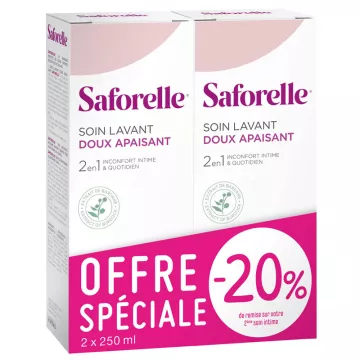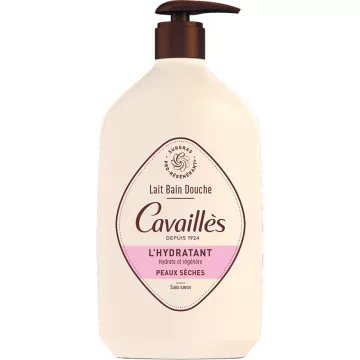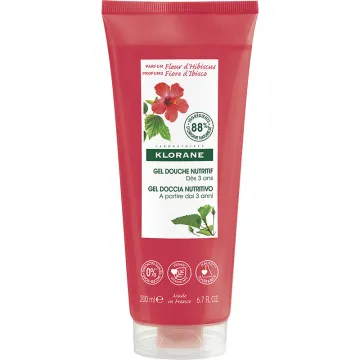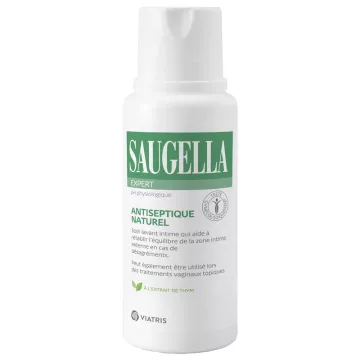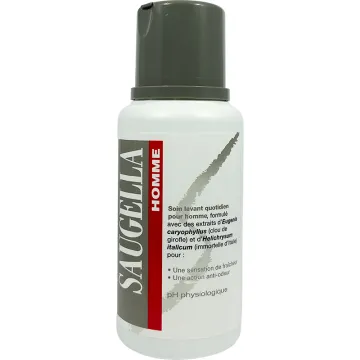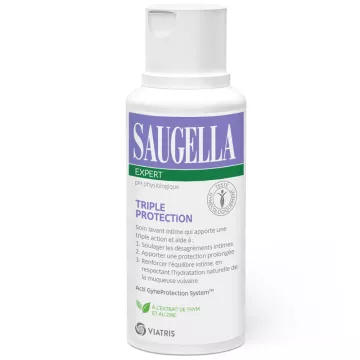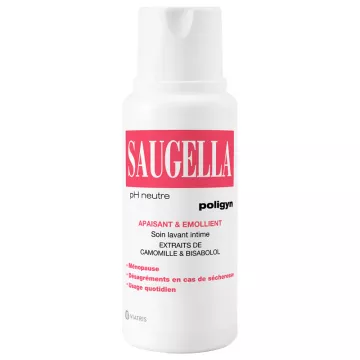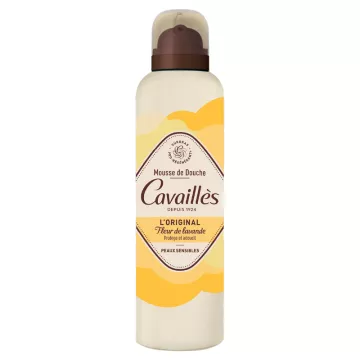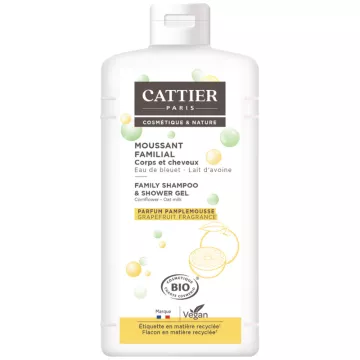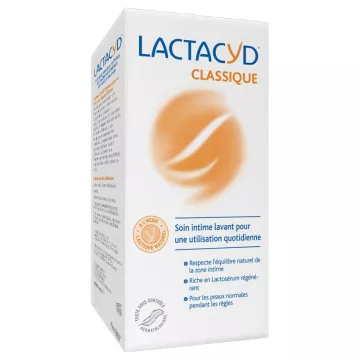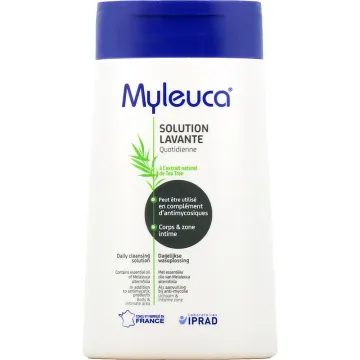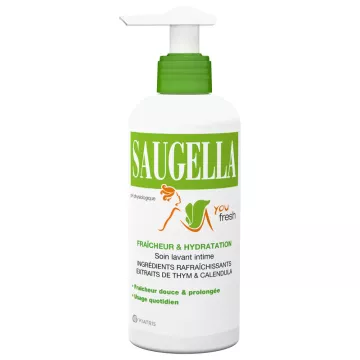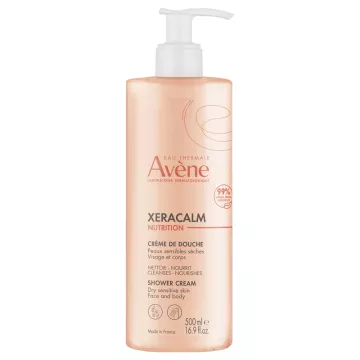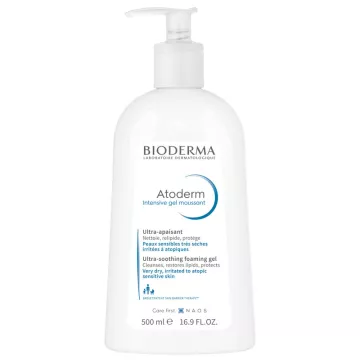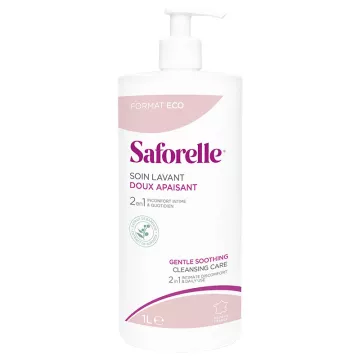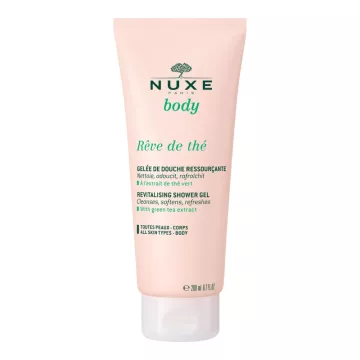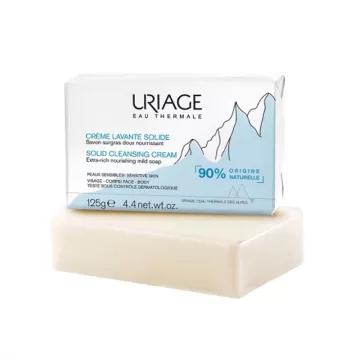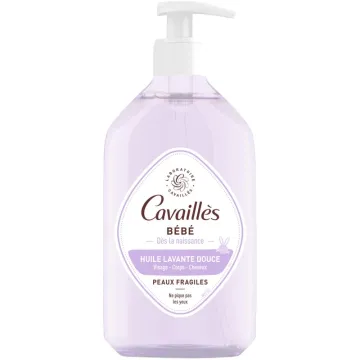
A cleansing treatment is a cleansing product that combines cleansing action with moisturizing properties to maintain the skin’s comfort.
Unlike traditional soaps, which can sometimes be drying, a cleansing treatment removes impurities while preservingthe skin’snatural moisture and hydrolipidic film.
It often contains gentle ingredients such as glycerin, plant oils, and botanical extracts that nourish the skin during cleansing.
A cleansing treatment offers several tangible benefits compared to traditional soap or harsh detergents.
First, its formulation preservesthe hydrolipid balance by avoiding overly harsh surfactants that weaken the skin barrier.
Second, its built-in moisturizing agents prevent dryness and tightness after showering or washing.
Finally, these products are often enriched with beneficial active ingredients (vitamins, antioxidants, soothing extracts) that support the skin’s overall health; to compare them with traditional products, check out our soap section as well.
Cleansing products are particularly suitable for sensitive, dry, and atopic skin types that react poorly to conventional cleansers.
Their gentle formula soothes irritation, reduces redness, and restores the skin barrier with regular use.
For particularly reactive skin, discover our selection designed for atopic skin as well as skin weakened by eczema.
These products are also perfectly suited for normal to oily skin, thoroughly cleansing it without disrupting the skin’s natural sebum balance.
To choose the right cleanser, identify your exact skin type and your top priorities:
For the most delicate skin types, ultra-moisturizing soap remains an excellent, gentle, and nourishing alternative.
The difference between a cleansing product and a shower gel lies in the product’s formulation and purpose.
Shower gel is primarily designed for quick cleansing, with foaming agents that can sometimes be drying over time.
A cleansing treatment gently cleanses while hydrating and nourishing the skin, making it particularly suitable for daily use and all skin types.
Many cleansing products can be used on the face, provided they are specifically formulated for this more delicate area.
Opt for products labeled for the face that are non-comedogenic and enriched with suitable active ingredients such as niacinamide or thermal water.
For a complete facial routine, also browse our selection of facial cleansers approved by our pharmaceutical team.
Using a cleanser twice a day remains the most common frequency: in the morning to remove impurities that have built up overnight, and in the evening to remove pollutants, sweat, and makeup.
For very dry or very sensitive skin, using it once a day is often sufficient—ideally in the evening—to preserve the hydrolipidic film.
There are cleansing products specially formulated for children, which are even gentler and tailored to the delicate nature of their skin.
These products are generally hypoallergenic, fragrance-free, and dermatologically tested to minimize any risk of irritation.
Always check the label to ensure the product is appropriate for the child’s specific age and meets their specific needs.
The cleanser fits perfectly into a more elaborate routine and is often the first step in your beauty regimen.
After cleansing, apply a toner, a targeted serum, and then a suitable moisturizer to maximize the benefits for your skin.
A well-chosen cleanser prepares the skin to better absorb the active ingredients applied afterward and enhances the overall effectiveness of your routine.
Several ingredients make all the difference in a high-quality cleanser; here are five of the most sought-after:
In summary, choosing a cleanser suited to your skin type and specific needs is essential for maintaining healthy, radiant skin. Take the time to read the labels and test several products to find the one that works best for you.
Some cleansers are specifically formulated for daily use on acne-prone skin.
They contain active ingredients such as salicylic acid or tea tree essential oil, known for their keratolytic and anti-inflammatory properties.
These formulas cleanse the pores and reduce excess sebum without irritating the skin, which helps prevent new breakouts.
For moderate to severe acne, consulting a dermatologist is essential; also explore our facial acne section for tailored skincare solutions.
Combining a cleanser with a skin-cleansing device can improve cleansing effectiveness for skin types that tolerate it.
Vibrating cleansing brushes or konjac sponges provide very gentle exfoliation and help active ingredients penetrate more effectively.
Choose a gentle cleanser without harsh exfoliants, and limit the pressure applied to preserve the skin barrier and prevent cumulative irritation.
The amount of cleanser to use depends directly on the area of skin you’re cleansing.
For the face, a small amount of product is more than enough for all the areas to be cleansed.
For the body, use an amount about the size of a coin, adjusting as needed based on the area and the manufacturer’s specific recommendations.
Lather the product in your wet hands before applying it to ensure even distribution and effective cleansing.
Many cleansing products now incorporate targeted active ingredients to address specific skin concerns.
Glycolic acid and retinol exfoliate and promote cell renewal, while niacinamide reduces redness and strengthens the skin barrier.
These formulations thus combine the benefits of cleansing and a mini-treatment routine in a single daily step, which is particularly popular for simplified skincare routines.
To preserve the effectiveness of a cleansing product, store the bottle in a cool, dry place, away from direct light and excessive moisture.
Close the container tightly after each use to minimize microbial contamination and preserve the formula.
A change in color, smell, or consistency usually indicates that the product has deteriorated: stop using it immediately to avoid any risk of irritation.