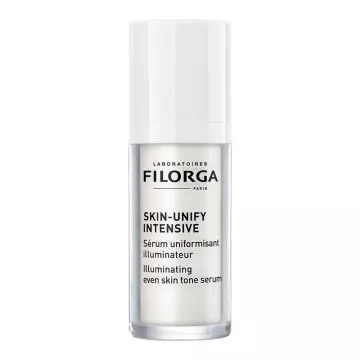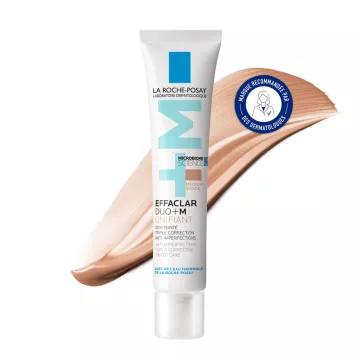
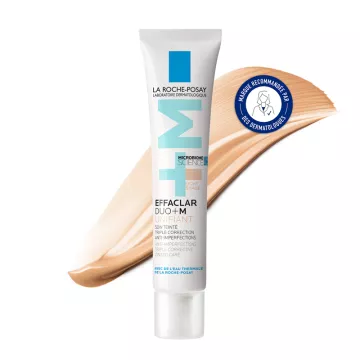

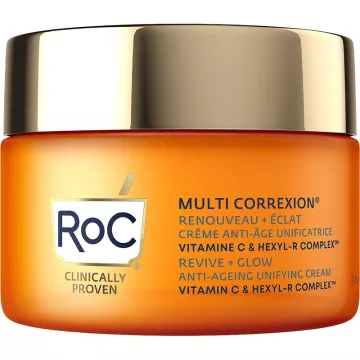

Choosing the right skin-evening product requires accurately identifying your skin type and your main concerns before making a purchase.
Sensitive skin should opt for gentle, fragrance-free, and alcohol-free products formulated to prevent irritation or redness upon application.
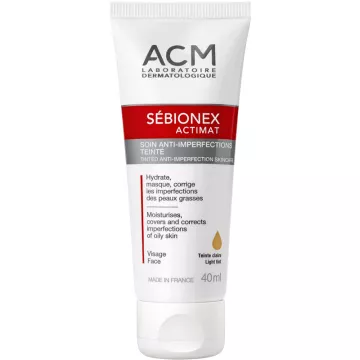
Oily skin benefits from non-comedogenic, mattifying formulas that don’t clog pores and help control shine.
If you have significant hyperpigmentation or melasma, consult a dermatologist before starting a skin-evening routine to receive a diagnosis and personalized recommendations.
For a curated selection, browse our “Perfect Complexion” section, which features products specifically designed to even out skin tone.
A skin-evening product fits perfectly into a routine that already includes other products, provided you follow a few precautions regarding product layering.
Combining it with potent active ingredients like retinoids or exfoliating acids should be done with caution to avoid irritation or excessive sensitivity.
Alternate these active treatments: apply them at different times of the day or spread them out over the week rather than layering them on the same evening.
Retinol, for example, is best used in the evening, separate from a vitamin C-based skin-evening treatment, which is typically used in the morning.
Always perform a patch test on the inside of your elbow before introducing a new product into your routine.
The terms “evening” and “brightening” are often used interchangeably, but they don’t describe exactly the same effect on the skin.
A skin-evening treatment evens out the complexion by reducing dark spots, redness, and localized skin imperfections.
A brightening treatment specifically targets melanin production to achieve an overall lighter complexion across the entire face.
Brightening products sometimes contain more potent active ingredients that require careful use, ideally following a dermatologist’s advice.
Skin-evening treatments address a wide variety of pigment spots: sunspots (lentigines), age spots, and post-inflammatory hyperpigmentation associated with acne.
However, their effectiveness depends directly on the depth, age, and intensity of the pigmentation being treated.
Very dark or long-standing spots often require additional treatment, such as a chemical peel or dermatological laser therapy.
In these situations, consulting a healthcare professional is essential to determine the appropriate treatment plan.
A skin-evening product that is well-tolerated can be used long-term without any particular issues, provided that the skin remains comfortable on a daily basis.
Make sure the product does not contain excessively high concentrations ofirritating active ingredients, and strictly follow the manufacturer’s instructions for use.
Carefully monitor your skin’s reaction: if you notice signs of irritation, persistent redness, or increased sensitivity, reduce the frequency of application or consult a healthcare professional to adjust your skincare routine.
A skin-evening treatment is a cosmetic product designed to even out the complexion and minimize the appearance of pigment spots, discoloration, and skin irregularities.
It works by regulating the production of melanin—the natural pigment responsible for skin color—through the targeted action of several active ingredients.
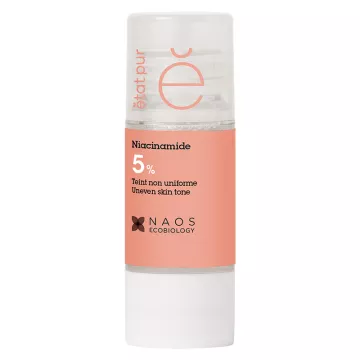
Thanks to vitamin C, kojic acid, or azelaic acid, a skin-evening treatment gradually lightens hyperpigmented areas and restores a more even complexion.
To specifically target localized dark spots, complement your routine with our selection of dark spot treatments.
An effective skin-evening treatment combines several families of active ingredients with complementary mechanisms of action:
To maximize the effectiveness of a skin-evening treatment, apply it ideally in the morning and evening, after thoroughly cleansing your face.
Clean skin allows the active ingredients to penetrate more deeply and work optimally on pigmented areas.
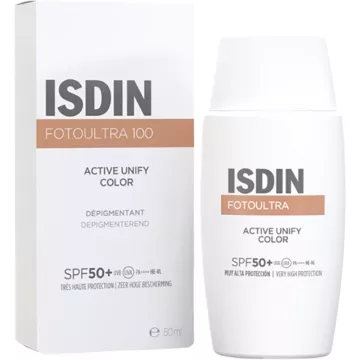
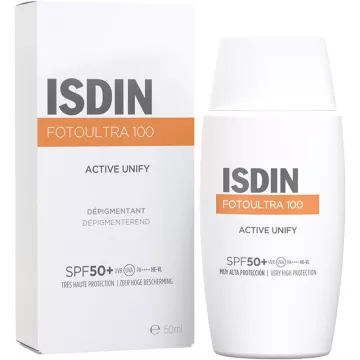
Apply a high-SPF 50 sunscreen daily as a complement: without it, UV exposure can cause dark spots to reappear and undermine the progress you’ve made.
Skin-evening treatments are generally safe for most skin types, but some side effects may occur when you first start using them.
The most common reactions include mild irritation, redness, or superficial flaking; these are often temporary.
Start with the lowest concentrations of active ingredients and gradually increase the frequency of application while closely monitoring your skin’s tolerance.
The results of a skin-evening treatment vary depending on the individual, the nature of the dark spots, and the active ingredients in the formula.
Most users notice a visible improvement after 4 to 8 weeks of regular use, combined with strict sun protection.
For long-lasting results, continue using the product for several months and incorporate the skin-evening treatment into a consistent, structured skincare routine tailored to your skin type.