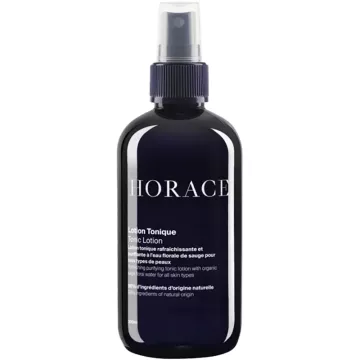
Facial toner is a skincare product used after cleansing to complete your beauty routine and prepare the skin for the next steps.
It helps remove the last traces of impurities, sebum, or makeup while providing an immediate feeling of freshness.
A popular staple in skincare routines, it helps restore the skin’s natural pH balance (4.5 to 5.5) after cleansing and enhances the absorption of serums and moisturizers applied afterward.
Discover our selection of facial toners and cleansers tailored to every skin type.
Facial toner helps keep skin clearer, fresher, and more balanced every day.
It completes the cleansing process by removing any remaining impurities that could clog pores or dull the complexion.
Some formulas help visually refine skin texture and minimize the appearance of enlarged pores.
Toners enriched with moisturizing or soothing ingredients support skin comfort and help reduce the tightness sometimes felt after cleansing.
Choosing a toner depends mainly on your skin’s specific needs.
Oily or combination skin types should opt for formulas containing zinc or salicylic acid to control excess sebum and shine.
Dry skin types should look for moisturizing toners enriched with glycerin or hyaluronic acid to maintain skin comfort.
Sensitive skin types should opt for alcohol-free formulas containing soothing ingredients like aloe vera, chamomile, or thermal water; pair your toner with a facial serum tailored to your needs.
Apply the toner after cleansing your face and before moisturizing.
Soak a cotton pad (or reusable cloth) and gently swipe it over your face and neck, avoiding the particularly sensitive eye area.
Some formulas can be applied directly with clean hands, which minimizes friction on the most sensitive skin.
Using it morning and night helps keep your skin fresher and better prepared to receive subsequent skincare products.
Micellar water and toner serve complementary but distinct functions in a skincare routine.
Micellar water is primarily used to cleanse and remove makeup from the skin thanks to micelles that capture impurities and makeup residue.
Toner is applied after cleansing to refresh the skin, help restore the skin’s pH balance, and optimize the absorption of subsequent skincare products.
Check out our selection of facial makeup removers to complete your routine.
Some toners formulated with purifying active ingredients can help control excess sebum and reduce the appearance of blemishes.
Salicylic acid, zinc, and glycolic acid help unclog pores and refine skin texture; glycolic acid increases photosensitivity, so a sunscreen with at least SPF 30 is required during the day.
Formulas designed for acne-prone skin are non-comedogenic and have a lightweight texture; be sure to check out our section on skin imperfections as well.
Salicylic acid is not recommended for pregnant or breastfeeding women; if you have moderate to severe acne, consult a dermatologist for appropriate medical treatment.
Sensitive or dehydrated skin generally benefits from alcohol-free toners to avoid feelings of irritation or dryness.
Formulas with high concentrations of denatured alcohol can weaken the skin barrier when used too frequently.
Oily skin can sometimes tolerate slightly astringent toners, but it’s still essential to maintainthe skin’s balance.
If in doubt, opt for gentle formulations and monitor how your skin reacts over a few weeks of use.
Toner is not formulated to set makeup.
However, some moisturizing formulas can refresh the complexion throughout the day to restore comfort to the skin.
To truly extend the wear of your makeup, opt for a setting spray specifically formulated for this purpose.
Avoid layering too many liquid products over your makeup, as this could affect its finish and long-term wear.
Overuse of highly astringent or exfoliating lotions can cause dryness, tightness, or skin discomfort.
Those with sensitive skin should opt for gentle formulas and follow the manufacturer’s recommended frequency of use.
If you experience persistent redness, unusual irritation, or a burning sensation, stop using the product.
Consult a healthcare professional or dermatologist if the reaction persists or worsens in the following days.