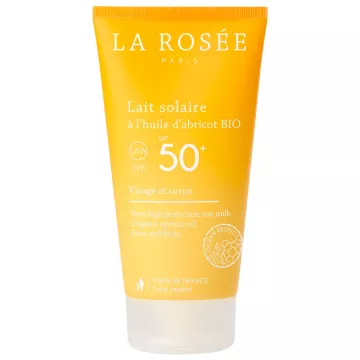
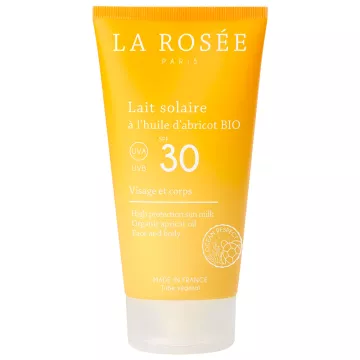
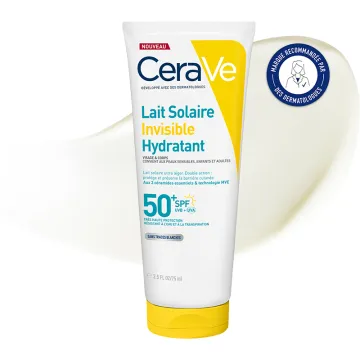
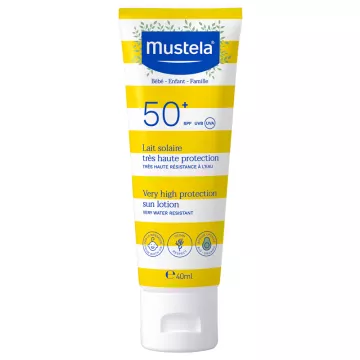
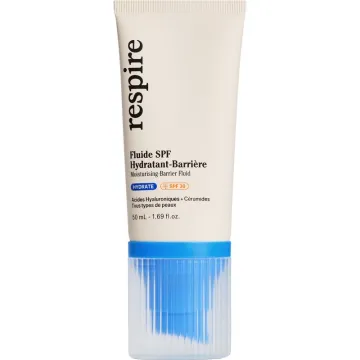
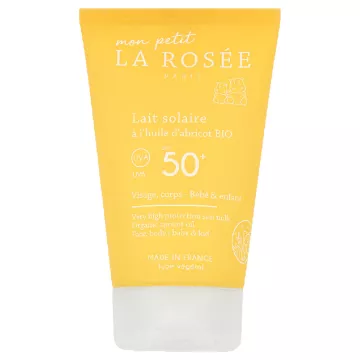
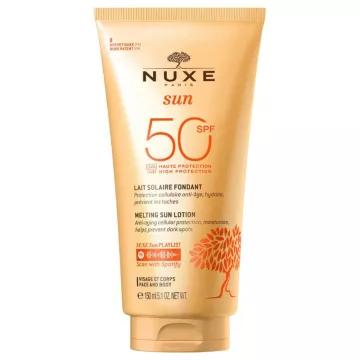
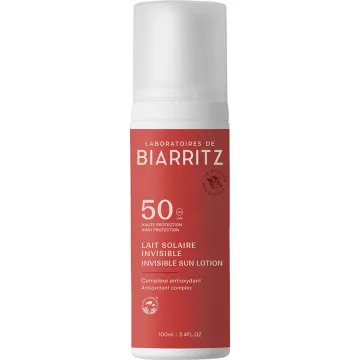
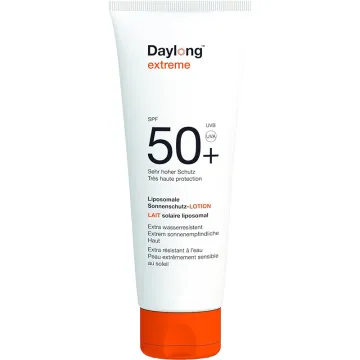
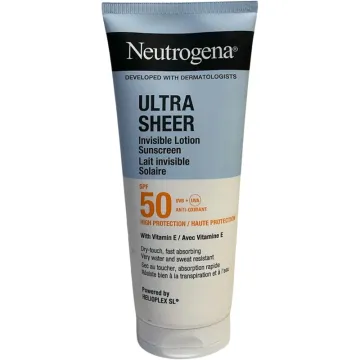
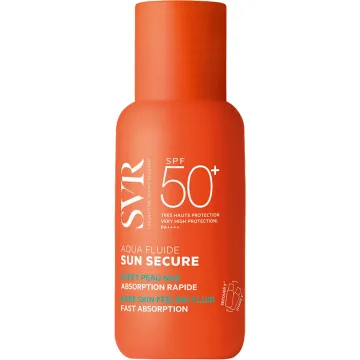
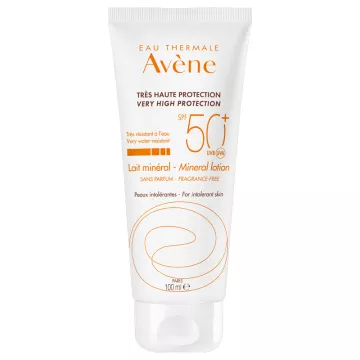
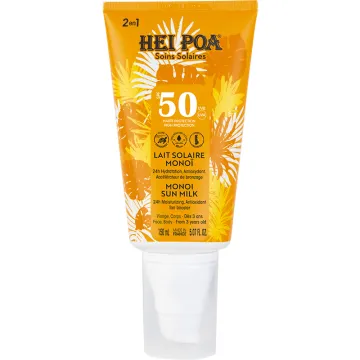
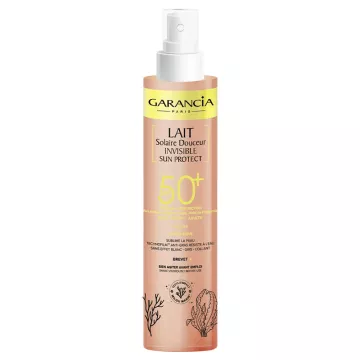
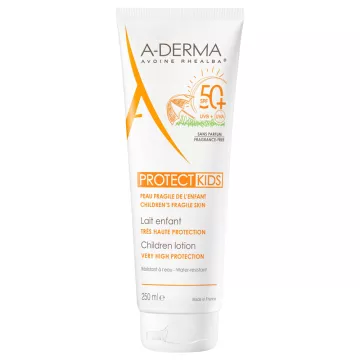
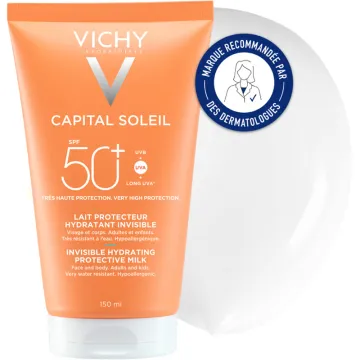
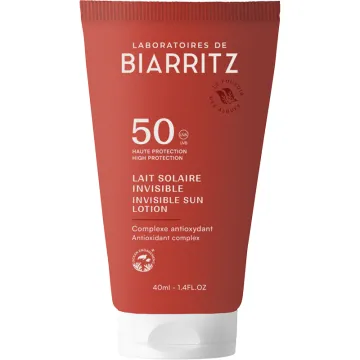
Sunscreen, sometimes called sun lotion or fluid-textured sunscreen, is a cosmetic product designed to protect the skin from the sun’s ultraviolet rays.
Its formula typically combines UV filters, moisturizing agents, antioxidants, and soothing ingredients such asaloe vera or vitamin E.
These ingredients work together to moisturize the skin, prevent sunburn, and reduce the long-term risk of skin cancer (WHO and INCa consensus).
For a complete selection, browse our sunscreen section in our online pharmacy.
Regular use of sunscreen offers several key benefits for skin health:
To choose a sunscreen suited to your skin type, follow these guidelines:
For optimal protection, apply about 35 ml of sunscreen to evenly cover an adult’s body (the equivalent of a small shot glass).
For the face, half a teaspoon is sufficient; don’t forget often-overlooked areas: ears, nape of the neck, neck, backs of the hands, tops of the feet, and thinning scalp.
Apply the product 20 to 30 minutes before sun exposure to allow the filters to properly settle on the skin.
Reapply every two hours, immediately after swimming, heavy sweating, or drying off with a towel.
Several common mistakes significantly compromise the actual effectiveness of sunscreen:
The use of sunscreen is recommended year-round, not just during the summer.
UV rays can penetrate clouds and glass, exposing the skin to cumulative damage even on cloudy days or while driving.
For effective daily protection, dermatologists and the SFD now recommend a minimum SPF of 30, rather than the older SPF 15, which is now considered insufficient.
This habit is particularly important for the face, which is constantly exposed to UV rays from both the environment and the workplace.
To preserve the effectiveness of your sunscreen, store it in a cool, dry place, away from direct light.
Avoid leaving it in the glove compartment, in a car exposed to the sun, or directly on a beach in direct sunlight at all costs: high temperatures quickly degrade the active filters.
Check the expiration date regularly, as well as the PAO (Period After Opening) symbol, which is generally 12 months after opening.
An unopened product can remain effective for about 3 years after manufacture, but any change in texture, smell, or color indicates deterioration and means it should be replaced.
Sunscreen works through sunscreen filters that absorb, reflect, or scatter ultraviolet rays.
Chemical filters (octocrylene, avobenzone, etc.) absorb UV rays and convert them into heat that dissipates before the rays reach the deeper layers of the epidermis.
Mineral physical filters, such as zinc oxide or titanium dioxide, create a barrier that reflects and scatters UV rays at the skin’s surface.
Choose a broad-spectrum product that provides protection against UVA rays (skin aging) and UVB rays (sunburn, skin cancer).
Applying sunscreen to children is not only possible but essential from their very first exposure to the sun.
Choose formulas specifically designed for children: hypoallergenic, fragrance-free, and containing mineral filters rather than chemical ones.
Choose a high SPF (50+ recommended) and reapply every two hours, as well as after swimming or intense physical activity.
For infants under 6 months, direct sun exposure is not recommended; protect them with shade, UV-protective clothing, and a suitable hat; explore our children’s sun protection section.
Sunscreen does indeed have an expiration date, which is usually indicated on the packaging or directly on the tube.
After this date, the sunscreen filters gradually break down, and the product loses a significant portion of its protective ability.
Look for two key pieces of information: the expiration date (usually 3 years after manufacture for an unopened product) and the PAO symbol, which indicates the shelf life after opening (often 12 months).
Any noticeable changes (separated texture, altered odor, or discoloration) mean it should be replaced immediately, even if the date still appears valid; for prolonged sun exposure, also check out our high-protection SPF 50 section.
Some sunscreen lotions are specifically formulated to be applied to slightly damp skin.
This technology allows the filters to adhere properly and form a protective barrier even in humid conditions, which is particularly useful for water activities.
Always check the label for “water-resistant” or “wet skin” if you plan on swimming, engaging in intense exercise, or sweating heavily.
On dry skin, the standard application method remains more effective and provides even coverage that’s easier to check visually.
The environmental impact of sunscreen depends mainly on the filters used in its formulation.
Certain chemical filters (oxybenzone, octinoxate) contribute to coral bleaching and are now banned in several marine areas (Hawaii, Palau, Mexico, and certain Caribbean islands).
To minimize this impact, opt for sunscreens with mineral filters (zinc oxide, titanium dioxide), biodegradable formulas, or products certified as eco-friendly and organic.
After sun exposure, complete your routine with a soothing and moisturizing after-sun treatment to protect your skin’s barrier.