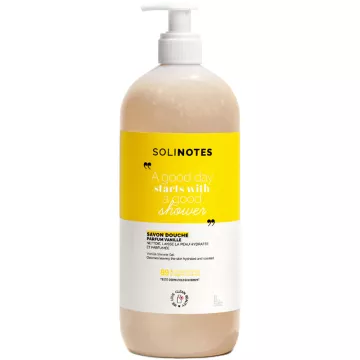
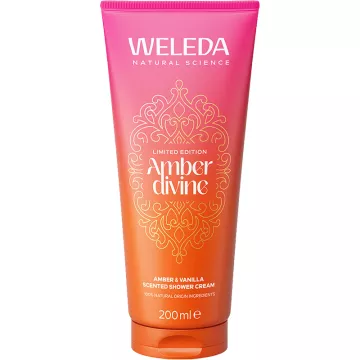
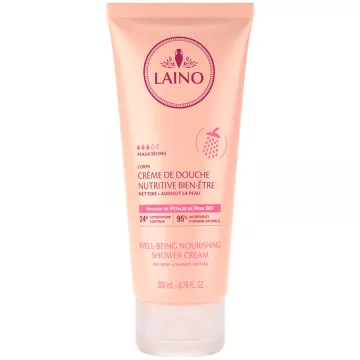
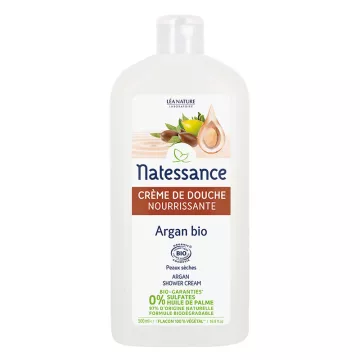
What is a shower cream, and how does it differ from shower gel and cleansing cream?
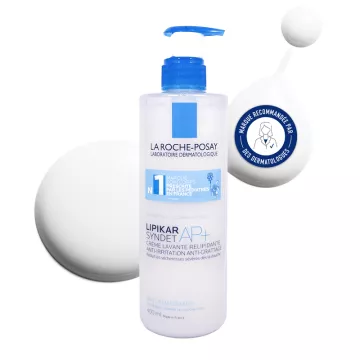
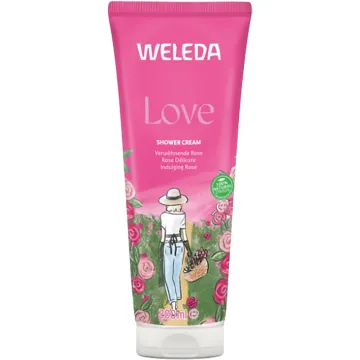
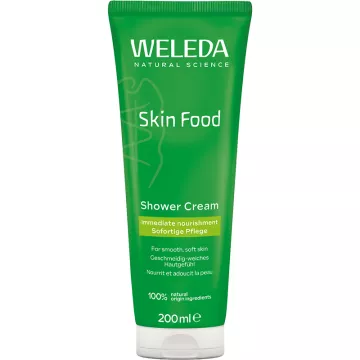
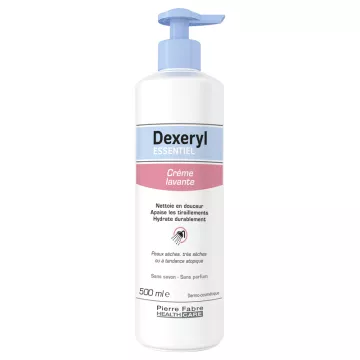
Shower cream is a formulation that falls between enriched shower gel and cleansing cream. Its creamy, rich texture allows it to cleanse, moisturize, and provide a rich sensory experience in a single step—whereas cleansing cream is designed for very sensitive skin and shower gel for effective cleansing.
- Shower gel: watery texture, active cleansing, abundant lather—effectiveness above all
- Superfatted shower gel: a lipid-enriched gel for dry to sensitive skin
- Shower cream: creamy, rich texture, low lather, hydration during cleansing—premium sensory comfort
- Cleansing cream: the richest formula, often leave-on—for severe atopic skin and those with very fragile skin
- Shower cream is primarily aimed at people who want to avoid applying body lotion after showering, or who are looking for a more luxurious skincare experience
What are the key characteristics of a good shower cream?
Its added value lies in the quality of its lipid-based active ingredients and the consistency of its formulation.
- Premium fatty ingredients: shea butter, jojoba oil, sweet almond oil—in higher concentrations than in a standard ultra-moisturizing gel—provide a creamy texture and rehydrate the skin during cleansing
- Glycerin: a basic humectant that retains water in the stratum corneum—works synergistically with lipids
- Colloidal oats or oat beta-glucan: soothing and restorative active ingredients—for sensitive skin that needs more than just hydration
- Mild surfactants (coco-glucoside, lauryl glucoside): cleanse without drying out the skin — the lower proportion of surfactants in a shower cream explains its reduced lather
- pH 5–5.5: respects the skin’s acid mantle
- Free of synthetic fragrances in dermatological formulations — with natural fragrances (essential oils, absolutes) in premium sensory formulations
Moisturizing shower cream vs. exfoliating shower cream: when to use one or the other?
Two distinct uses—alternate depending on your needs and the season.
- Moisturizing shower cream: daily use, winter, reactive skin—maintains hydration and the lipid barrier without irritation
- Exfoliating shower cream: 1–2 times a week—AHAs (glycolic acid, lactic acid) or gentle physical exfoliants (sugar, salt)—removes dead skin cells, refines skin texture, and improves body cream absorption—if using AHAs: apply SPF 30 during the day
- Do not use an exfoliating shower cream on atopic skin experiencing a flare-up, irritated skin, or recently waxed areas
- Alternate: exfoliating on weekends, moisturizing during the week — to maintain an even complexion without weakening the skin
How to use a body wash for maximum skincare benefits?
- Apply to wet skin with your hands or a soft sponge—avoid the mechanical friction of a washcloth on sensitive or dry skin
- Leave on for 30–60 seconds before rinsing—the moisturizing ingredients need a minimum amount of time to penetrate
- Use lukewarm water and rinse quickly—as with all dermatological cleansers
- After rinsing: pat dry and apply a light moisturizer if needed—the shower cream hydrates but does not fully replace body cream on very dry skin
- Alternative use: quick moisturizing mask—apply to dry skin, leave on for 5 minutes, then rinse—lipid-based active ingredients penetrate better on dry skin
- See our body care line