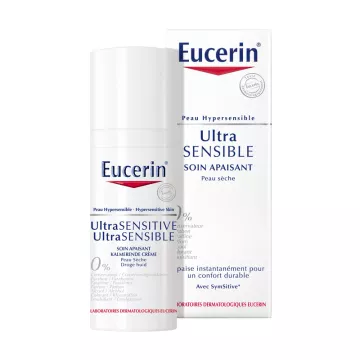
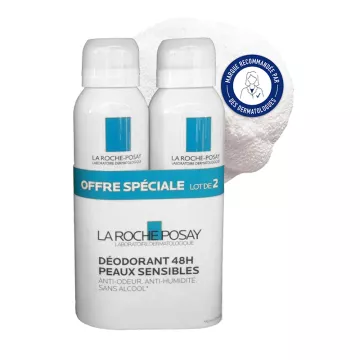
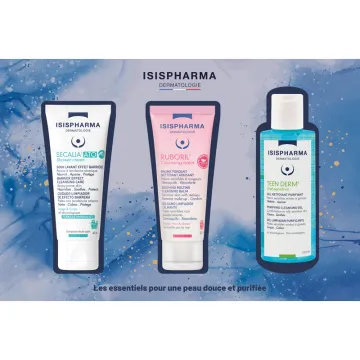
Sensitive skin reacts excessively to stimuli that are generally well tolerated by other skin types. Common symptoms include tingling, a burning sensation, redness, and widespread irritation. This skin type requires special attention and specifically tailored care that can minimize adverse reactions while preserving the integrity of the skin barrier.
Skin sensitivity results from several factors that often interact. Internally, genetics and certain hormonal imbalances play a major role. Externally, pollution, weather fluctuations, excessive sun exposure, and sudden temperature changes place particular stress on the skin. The use of unsuitable cosmetics or those containing irritating substances also increases skin reactivity.
Choosing the right products for sensitive skin is crucial. Always look for labels that say “hypoallergenic,” “fragrance-free,” and “non-comedogenic.” Opt for simple formulations with few active ingredients and no unnecessary additives. Always perform a patch test (on the inside of your elbow or behind your ear) before regular use to check for any adverse reactions.
If you have sensitive skin, avoid known irritants: denatured alcohol, synthetic fragrances, artificial dyes, and certain preservatives like parabens. Strong acids (glycolic acid, salicylic acid) are also too harsh for this skin type and may exacerbate redness or feelings of discomfort.
A skincare routine for sensitive skin prioritizes gentleness and minimizes the risk of reactions as much as possible. Start with a gentle cleanser free of harsh surfactants, then apply a lightweight yet restorative moisturizer. Daily use of a suitable sunscreen remains essential to protect the skin barrier from UV damage. Avoid mechanical exfoliants and, if necessary, opt for gentle, well-tolerated chemical alternatives.
Protecting sensitive skin requires systematically reducing exposure to irritants. Wear protective clothing during prolonged exposure and opt for mineral sunscreens, which are better tolerated by reactive skin. Indoors, a humidifier maintains optimal humidity levels, which is particularly helpful in winter when heating severely dries out the air.
For extremely reactive skin, a dermatologist may prescribe targeted treatments. These regimens typically include creams designed to strengthen the skin barrier or treat underlying conditions such aseczema or rosacea. A dermatology consultation remains invaluable for developing a personalized, safe skincare plan tailored to the severity of your symptoms.
Distinguishing between sensitive skin and an allergic reaction is essential for proper treatment. Sensitive skin reacts consistently and diffusely to various irritants, whereas an allergy manifests more suddenly and in a localized manner in response to specific contact with an allergen. Signs of an allergic reaction include intense itching, a rash, blisters, or swelling. If in doubt, consult a dermatologist for appropriate testing and an accurate diagnosis.
Several dermatological tests may be recommended to better understand the specific characteristics of sensitive skin. The most common are the patch test, which identifies contact allergies, and the skin sensitivity scale test, which measures reactivity to various irritants. These tests help refine product selection and create a truly personalized skincare routine.
Yes,diet significantly influences the health of sensitive skin. Certain foods—dairy products, simple sugars, and food additives—can fuel inflammation and exacerbate skin reactivity. Adopt a diet rich in fresh fruits and vegetables, omega-3s, and antioxidants to strengthen the skin barrier and reduce chronic inflammation.
Using essential oils on sensitive skin requires great caution. While chamomile and lavender are known for their soothing properties, they can paradoxically trigger reactions on the most sensitive skin. Always dilute essential oils in a carrier oil such as jojoba or sweet almond oil, and perform a skin test before any regular use.
The skin microbiome—the collection of microorganisms that naturally live on the skin—plays a key role in protecting against pathogens and regulating inflammatory responses. An imbalance in this flora can lead to increased sensitivity and skin conditions such as eczema. Preserve this microbiome by choosing gentle products and following a gentle skincare routine that respects the skin’s natural balance.