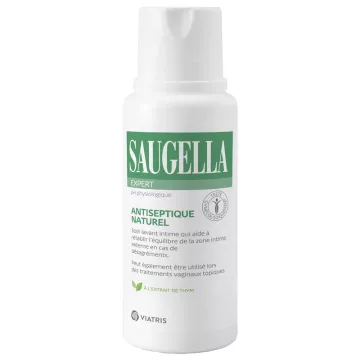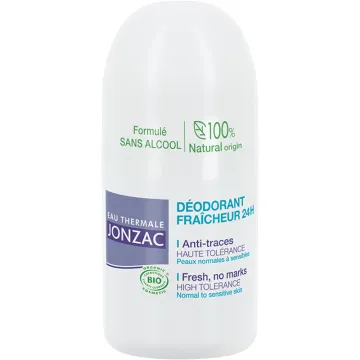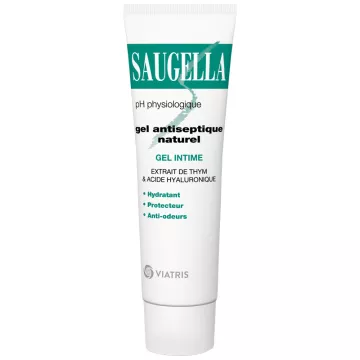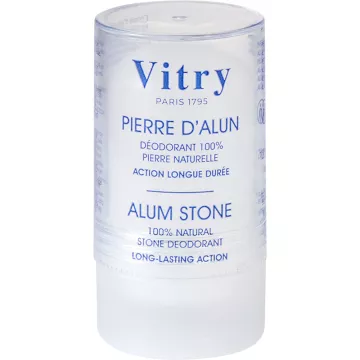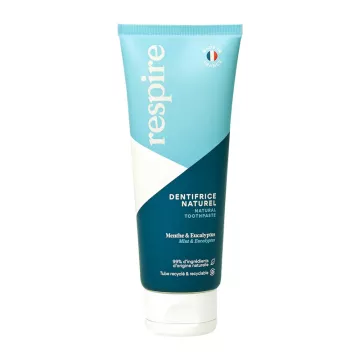
What is a natural product?
A natural product is an item or substance derived from natural sources without excessive chemical alteration. These products are often valued for their organic composition, reduced environmental impact, and preserved health benefits. The growing popularity of natural products stems from consumers’ increasing awareness of the benefits associated with a healthier and more environmentally friendly lifestyle.
Why choose natural products?
Choosing natural products offers several significant advantages. First, these products often minimize the risk of allergies and skin reactions caused by harsh chemicals. In addition, they are generally more environmentally friendly because they require fewer chemical treatments and synthetic additives during production. Finally, using natural products supports sustainable development practices and boosts the local economy, especially when purchased from local producers and suppliers.
How can you recognize an authentic natural product?
Identifying an authentic natural product can be tricky, particularly because of labeling that can sometimes be misleading. To ensure authenticity, it’s recommended to check for labels and certifications such as Bio, Ecocert, or USDA Organic (in the United States). These labels ensure that products are made according to strict standards, without synthetic pesticides or chemical fertilizers. In addition, carefully reading the ingredient list can help you detect the presence of non-natural additives or preservatives.
What are the health benefits of natural products?
Natural products, which are often less processed, retain their essential nutrients—such as vitamins, minerals, and antioxidants—more effectively. This can contribute to better overall health and help prevent various diseases. For example, natural food products do not contain added sugars, trans fats, or many of the food additives found in processed foods, which can help maintain a healthy weight, reduce the risk of chronic diseases, and promote healthy digestion.
How do natural products affect the environment?
The environmental impact of natural products is generally less significant than that of conventional products. Their production often involves farming practices that support biodiversity, improve soil conditions, and reduce chemical contamination. In addition, the packaging for these products is often biodegradable or recyclable, thereby minimizing their ecological footprint.
What is the difference between “natural” and “organic”?
Although the terms “natural” and “organic” are often used interchangeably, they do not mean the same thing. A natural product generally refers to a product that is less processed and free of artificial ingredients. In contrast, an organic product is certified according to official standards that guarantee that no synthetic pesticides, GMOs, or chemical fertilizers were used during its production. Organic certification also requires compliance with certain standards for animal welfare and crop rotation.
Are natural products always a healthier option?
Natural products are often perceived as healthier, but this is not automatically the case. For example, a product can be natural and still contain high levels of sugar, salt, or saturated fat. It is important to consider the product’s overall composition. However, in general, natural products minimize exposure to potentially harmful artificial additives and preservatives, which can contribute to better long-term health.
How can you incorporate natural products into an urban lifestyle?
Incorporating natural products into an urban lifestyle may seem challenging, but a few simple adjustments can make a big difference. Start by choosing seasonal and locally sourced products at farmers’ markets or food co-ops. Opting for natural household cleaning products and cosmetics can also reduce your exposure to chemicals. Finally, supporting small businesses and companies that promote sustainability can encourage a more natural and ethical supply chain.
Can we trust the labels on natural products?
The reliability of labels on natural products can vary significantly. Terms like “all-natural” aren’t always regulated, which can be misleading. To ensure a product’s credibility, it’s advisable to look for products with recognized certifications and to carefully read the ingredient lists for any non-natural components. Certifications such as Organic or Ecocert offer greater assurance of a product’s naturalness and quality.
Are natural products more expensive?
Natural products may be more expensive than their non-natural counterparts due to the higher production costs associated with sustainable farming practices and less intensive production methods. However, investing in natural products can be seen as an investment in personal health and environmental sustainability. Furthermore, as demand for these products increases, prices may potentially decrease thanks to technological improvements and an increase in supply.