Why does good oral hygiene protect us far beyond the mouth?
Oral hygiene is the first line of defense against the two most common oral diseases: tooth decay (bacterial destruction of enamel) and periodontitis (destruction of the bone that supports the teeth). But the stakes extend far beyond oral health—bacteria from a poorly maintained mouth can reach the cardiovascular system, disrupt blood sugar control in people with diabetes, and increase the risk of obstetric complications. Maintaining a healthy mouth, therefore, is an investment in your overall health.Oral care products are available in the store.
Dental plaque—a bacterial biofilm that reforms within 24 to 48 hours on all unbrushed surfaces—is the root cause of these two conditions. If not removed daily, it develops into a pathogenic bacterial colony and then calcifies into tartar within 10 to 15 days. Tartar can no longer be removed by brushing alone; only professional scaling can do so, which is why regular dental checkups are essential.
- The 4 fundamental steps: brushing twice a day (breaks down plaque on accessible surfaces)—daily interdental cleaning (removes plaque from the 40% of surfaces inaccessible to a toothbrush— interdental hygiene)—tongue scraping every morning (reduces the bacterial load that causes bad breath) — mouthwash tailored to your needs (antiseptic, fluoride, desensitizing)
- Fluoride—an essential active ingredient: strengthens enamel by forming fluorapatite (more resistant to acids than natural hydroxyapatite)—recommended concentrations: 1,450 ppm for adults, 500–1,000 ppm for children depending on age — “natural” or “whitening” toothpastes are often underdosed in fluoride — check the concentration before buying
- Professional scaling: essential 1–2 times a year even with rigorous oral hygiene — removes inaccessible subgingival tartar — prevents gingivitis and halts its progression to periodontitis
How can you choose products that suit your specific needs?
The oral care market offers formulas tailored to every individual’s needs. For people prone to cavities, a toothpaste containing 1,450 ppm of fluoride and xylitol, combined with thorough interdental hygiene, is the foundation. For sensitive gums, formulas free of SLS (sodium lauryl sulfate) and alcohol, and enriched with aloe vera or allantoin, reduce irritation. For sensitive teeth, toothpastes containing potassium nitrate (5%) or strontium chloride seal the dentinal tubules and reduce pain.
- Toothbrush: alwaysuse soft bristles (hard bristles abrade enamel and wear down the cervical regions) — small head to reach the molars — replace every 3 months (fanned-out bristles = ineffective brush) — oscillating-rotating electric toothbrushes are clinically superior for reducing plaque and gum bleeding
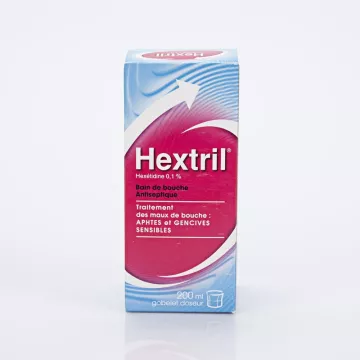
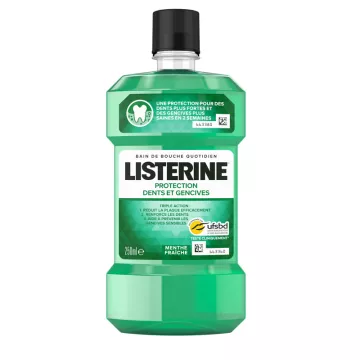
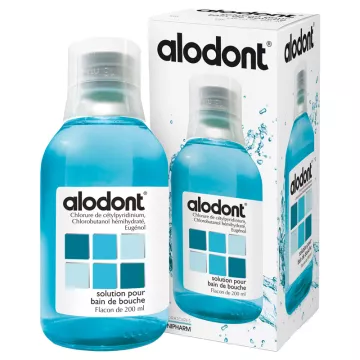
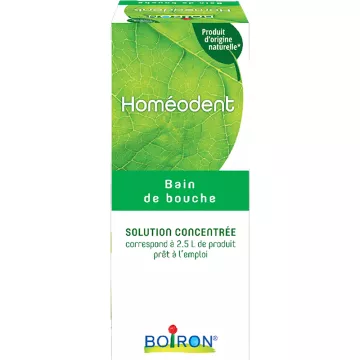
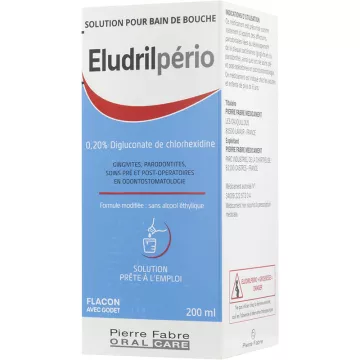
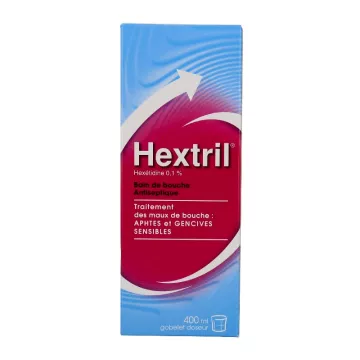
- Mouthwashes: fluoride (225 ppm) in the evening without rinsing for nighttime remineralization — chlorhexidine antiseptic (0.12%) for short courses of 2 to 4 weeks — natural formulas with propolis or tea tree oil for daily care — alcohol-free for people with dry mouth
- Specialty products: nighttime protective mouthguard (for bruxism), oral irrigator (for those with bridges, implants, or orthodontic appliances), bridge floss (for bridges), plaque disclosing solution (useful for teaching the technique to children and adults)
How do diet and lifestyle affect oral health?
Diet directly influences dental health through two mechanisms. First, the frequency of consuming sugary foods—each time you eat something sweet or acidic, it causes the oral pH to drop below 5.5 (the threshold for enamel demineralization) for 20 to 30 minutes. Frequent snacking keeps this pH level low at all times—this is more harmful than the total amount of sugar consumed. Second, nutritional deficiencies: vitamin C is a cofactor for gingival collagen (deficiency → gum fragility), while calcium and vitamin D support alveolar bone mineralization.
- Protective foods: hard cheeses (alkalize oral pH after meals and provide calcium)—crunchy fruits and vegetables (mechanically stimulate salivation)—green tea (antibacterial catechins)—fluoridated or calcium-rich mineral water
- Tobacco and the mouth: increases the risk of severe periodontitis by 3 to 7 times — masks gum bleeding (vasoconstriction) — slows healing — stains teeth and dentures — quitting improves gum health within the first few weeks
- Signs that require prompt medical attention: bleeding gums while brushing (never normal), persistent bad breath, spontaneous pain, loose teeth, oral sores that do not heal within 14 days — preventing cavities also requires regular professional checkups