Moth repellents protect clothing, rugs, and textiles from damage caused by clothes moths (Tineola bisselliella). These insects attack natural fibers—wool, silk, cashmere, cotton—by laying their larvae in them, which then consume the fabric. Early detection and appropriate protection will keep your textiles safe. Browse our selection in the moth repellent category.
What is a moth, and what damage does it cause?
The clothes moth is a small nocturnal moth whose larvae burrow holes in textiles. It is not the winged adults that damage the fibers, but their larvae—invisible to the naked eye—which feed on the proteins found in natural fibers. They primarily target wool, silk, cashmere, and cotton soiled with sweat or organic stains.
What types of moth repellents are available for textiles?
Drugstores offer several forms of protection suited to every need.
- Natural repellent sachets and blocks: cedar, lavender, eucalyptus—to be placed in closets and drawers, without direct contact with clothing
- Anti-moth insecticide sprays: spot treatment of infested areas (closets, drawers); ventilate after application
- Chemical strips and hangers: continuous release of an insecticidal active ingredient; protection lasts 3 to 6 months depending on the product
- Pheromone traps: capture adult males, interrupting the reproductive cycle
Anti-moth essential oils: which ones should you choose?
Certain essential oils are known for their moth-repellent properties.
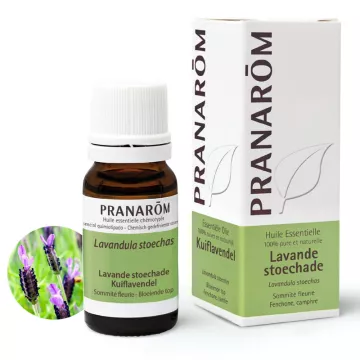
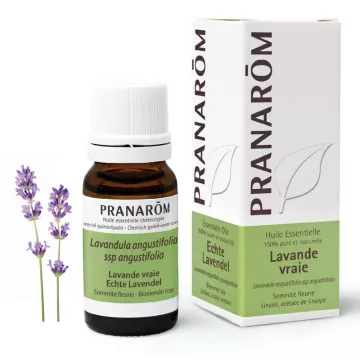
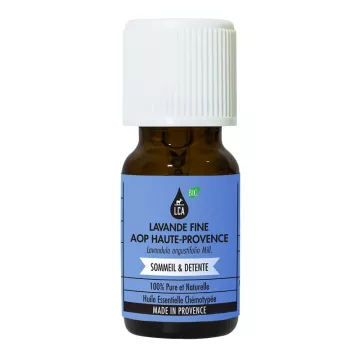
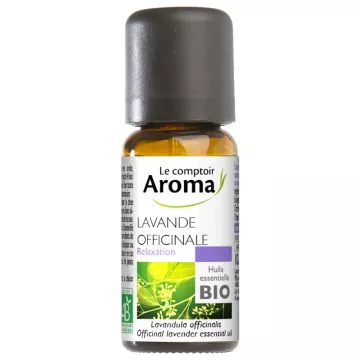
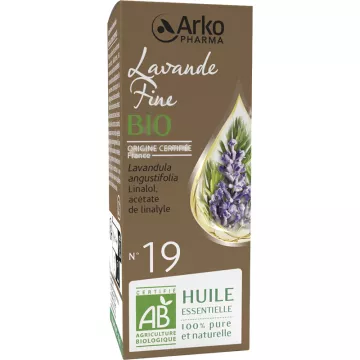
- True lavender: a classic fabric repellent with a pleasant scent; reapply every 4 to 6 weeks
- Atlas cedar: long-lasting repellent when applied to wood or cotton pads
- Peppermint: a few drops on a cotton ball in drawers
- These natural solutions are preventive, not curative, in the event of an established infestation
How can you detect a moth infestation?
Early signs of an infestation should serve as a prompt warning.
- Small, irregular holes in wool, cashmere, or silk sweaters
- Small, beige-gold moths flying around the room, especially at night
- Whitish traces or silky threads in the folds of clothing or rugs
- Tiny cream-colored larvae in dark corners of closets
How do you treat clothes infested with moths?
An effective treatment combines heat treatment and sealing.
- Wash at the highest temperature indicated on the label (60°C if possible): this kills larvae and eggs
- For non-washable items: place in an airtight bag in the freezer for at least 48 hours, then shake them out outdoors
- Thoroughly vacuum closets and drawers before putting the treated clothes back
- Clean the closets with a disinfectant or a vinegar solution, then let them dry completely
How can you prevent moths from returning?
Regular prevention is more effective than treating an infestation after it occurs.
- Store woolen garments in airtight covers or airtight cotton bags between seasons
- Place lavender or cedar sachets in each storage area, replacing them every 6 weeks
- Air out and shake out woolen clothes regularly—moths avoid disturbed areas
- Vacuum rugs and carpets frequently, including under furniture
- Incorporate textile care into a comprehensive approach toorganic home maintenance